Quality Assurance of Environmental Protection Mobile Toilets
The quality assurance of environmental protection mobile toilets covers multiple aspects such as materials, production, performance, and environmental protection technologies, ensuring product reliability and environmental adaptability through strict standards.
1. Material Selection: Balancing Durability and Environmental Adaptability
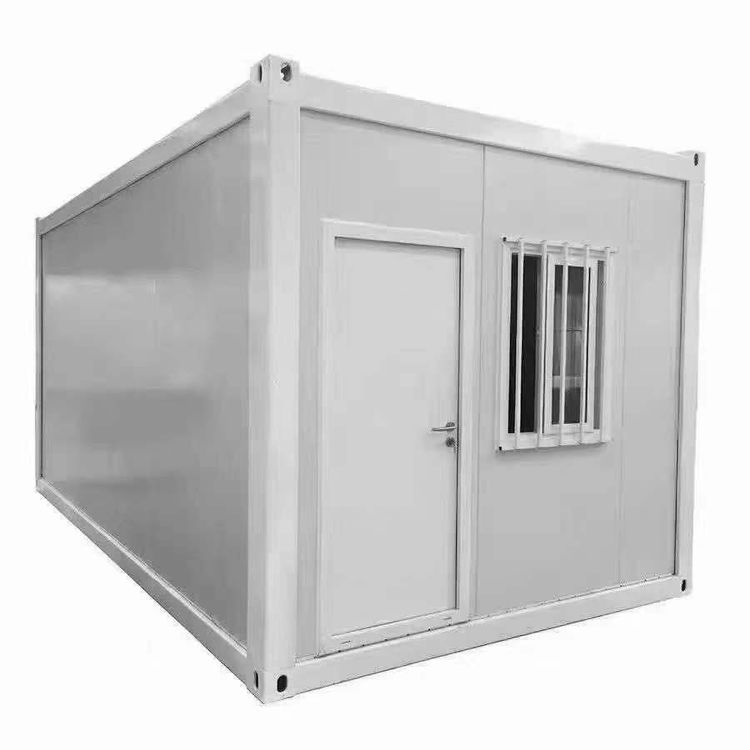
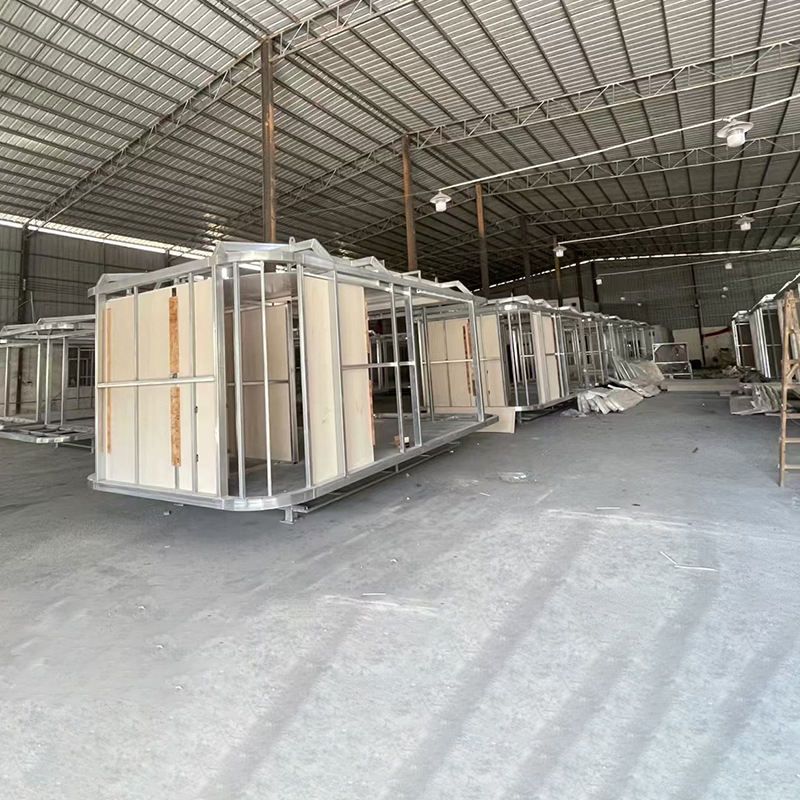
The structural materials of environmental protection mobile toilets directly affect their service life and resistance to environmental erosion. Common materials include high-density polyethylene (HDPE), fiberglass-reinforced plastic (FRP), stainless steel, and metal frames. HDPE is lightweight, corrosion-resistant, and easy to clean, making it suitable for frequent relocation scenarios. FRP offers high strength and excellent weather resistance, capable of withstanding ultraviolet rays and humid environments. Stainless steel is used for key load-bearing components to ensure structural stability. For example, some mobile toilet frames are welded from national standard steel, with surfaces covered with color-coated steel plates or carved panels, providing both anti-corrosion and fire-resistant properties, with a service life of over 20 years.
2. Production Process: Standardized Procedures Ensure Quality
The production process is divided into three stages: mold forming, assembly and debugging, and quality inspection. Mold forming requires precise dimensions and smooth surfaces without burrs to avoid subsequent assembly errors. During the assembly stage, internal pipes, valves, locks, and other accessories are installed, and sealing treatments are performed to prevent odor leakage. Quality inspection is a critical step, including structural strength tests (such as load-bearing capacity), sealing tests (such as leak-proof performance), and flushing system function tests (such as water-saving effects). Only products that pass all inspections can be shipped for delivery.
3. Performance Verification: Microbial Degradation and Water-Saving Technologies
Some manufacturers verify microbial treatment efficiency through simulated experiments to ensure degradation capabilities meet design specifications. For example, toilets using microbial degradation technology can decompose excreta, reducing sewage discharge. Water-saving flushing systems achieve efficient cleaning with low water consumption by optimizing water flow design. For instance, a certain model of mobile toilet collects hand-washing water automatically and adds a special agent, requiring only 0.46 liters of water per person to flush clean, significantly reducing water consumption.
4. Environmental Standards: Compliance with National Regulations and Industry Requirements
Environmental protection mobile toilets must meet relevant national standards, such as products equipped with independent toilet pit partition treatment systems must comply with the GBLT18091-92 standard. Additionally, their design should consider both mobility convenience and environmental friendliness, reducing sewage discharge through dry treatment or microbial degradation technologies to minimize negative impacts on the ecosystem.
In summary, the quality assurance of environmental protection mobile toilets is achieved through material optimization, standardized production, performance verification, and environmental compliance, ensuring stable operation in various scenarios and meeting sustainable development requirements.