
How Much Does an Environmental Protection Mobile Toilet Cost?
The price range of environmental protection mobile toilets is quite wide, spanning from 300 yuan to 9,000 yuan, depending on factors such as functionality, materials, and design complexity. Here is an analysis based on different types:
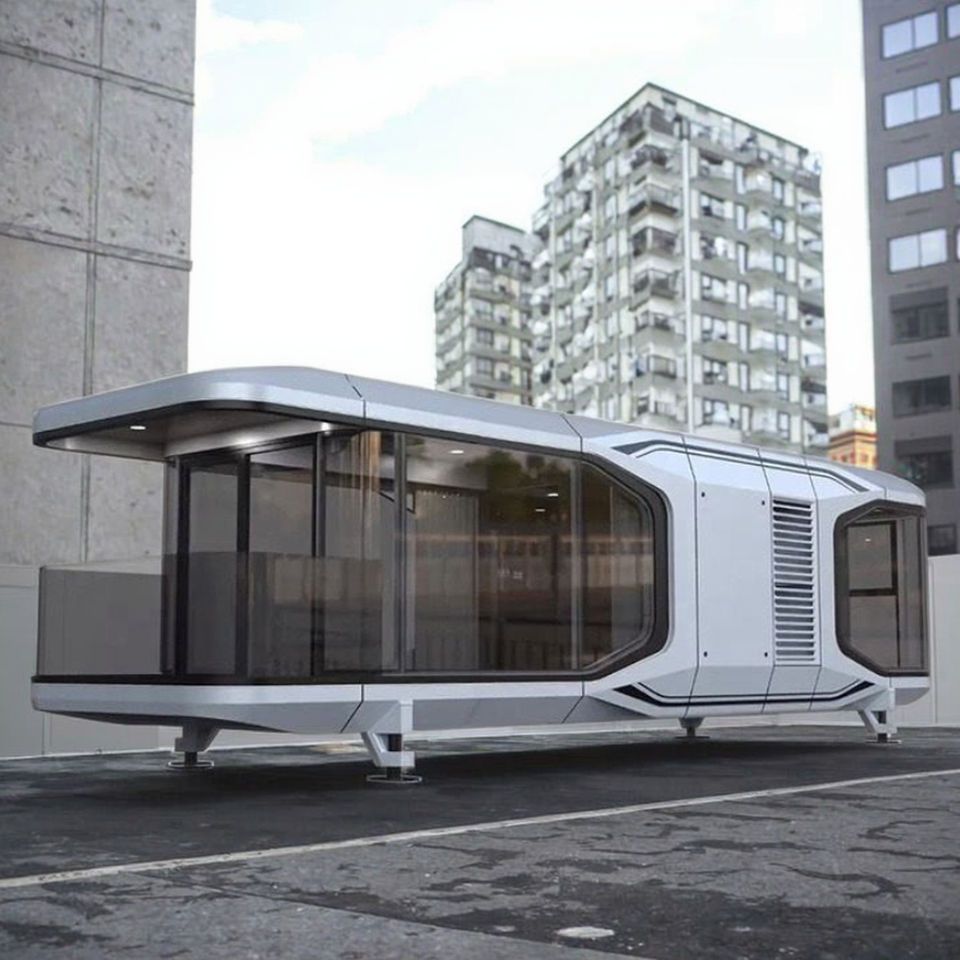
Economical and simple models are priced mainly between 800 and 1,500 yuan. These products focus on basic functions and typically use lightweight materials (such as galvanized steel sheets or plastics). They have a simple structure but are fully equipped, including basic facilities like squat toilets, fecal storage tanks, and ventilation openings. Some products, although priced as low as 800 yuan, can have a service life of over 15 years through optimized designs (such as double-layer insulation structures) and durable materials (such as anti-aging plastics). These toilets are suitable for temporary events, construction sites, and other scenarios, offering significant cost-effectiveness advantages.
Mid-to-high-end models are priced between 2,000 and 9,000 yuan, with functional upgrades being the main source of added value. For example, products priced between 2,000 and 3,000 yuan may include independent shower rooms and automatic flushing devices; integrated toilets commonly found in scenic spots, priced between 4,000 and 5,000 yuan, adopt a unified design, integrating deodorization systems (such as biological filters or activated carbon filtration) and water-saving technologies, and can serve 50 to 100 people per day. High-end customized models (such as those priced at 9,000 yuan) may be equipped with intelligent monitoring systems (for real-time monitoring of usage status), barrier-free facilities, or artistic exterior designs to meet the needs of commercial complexes, high-end exhibitions, and other scenarios.
The price of intelligent and environmentally friendly models is not clearly defined, but their costs are significantly higher than those of ordinary models. Drawing on the technological logic of Kohler's non-mobile smart toilets (which typically cost over 5,000 yuan), mobile smart products need to integrate sensors (such as automatic flushing sensors and human body sensing lighting), Internet of Things (IoT) modules (for remote fault diagnosis), and environmentally friendly treatment systems (such as microbial degradation technologies). The combination of these technologies significantly increases costs. For example, in smart toilets using electrolytic deodorization technology, the cost of the electrolytic module accounts for more than 30% of the total toilet cost.
It should be noted that price differences are also influenced by transportation, installation, and after-sales services. Projects in remote areas may see a 10% to 20% increase in total price due to higher logistics costs; customized designs (such as corporate logo spraying or special sizes) may also incur additional fees. It is recommended to clarify the usage scenario, foot traffic, and functional requirements before purchasing, and to prioritize products that have passed ISO9001 quality certification and environmental protection testing to ensure long-term usage benefits.



