
Materials for Environmental Protection Mobile Toilets
The materials used for environmental protection mobile toilets are diverse. The overall structure is often welded using galvanized steel structures or national standard steel, with anti-corrosion and fire-resistant materials covering the surface. Different materials are used for various components and scenarios.
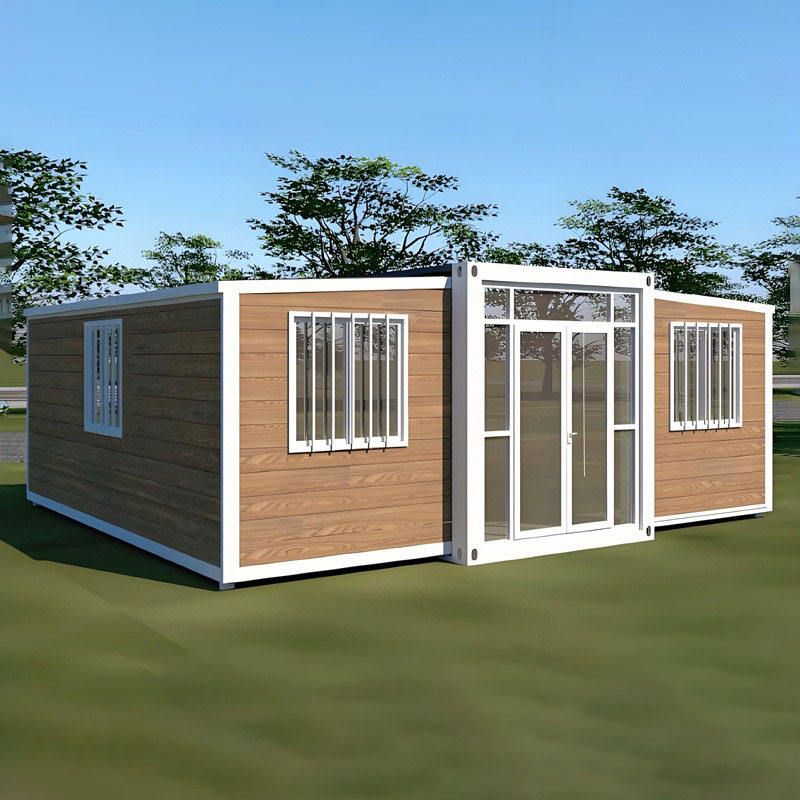
Exterior Wall Materials
The exterior wall materials for environmental protection mobile toilets can be selected based on customer requirements or the surrounding environment of the usage location. Common options include color-coated steel plates, metal carved panels, anti-corrosion wood, stainless steel plates, and aluminum-plastic panels. These materials all possess anti-corrosion and fire-resistant properties, enabling them to adapt to different environmental conditions and meet diverse usage needs.
Other Common Materials
- Fiberglass Reinforced Plastic (FRP) Materials: Composed of glass fibers and resin, FRP materials are lightweight, facilitating easy transportation and installation. Their smooth surfaces are easy to clean, resistant to rust and corrosion, and offer good thermal insulation. However, the strength of FRP materials is relatively low, making them less suitable for scenarios requiring high structural strength.
- Stainless Steel Materials: Stainless steel materials exhibit strong impact and corrosion resistance, with surfaces that are easy to disinfect, ensuring good hygiene conditions. This makes stainless steel mobile toilets ideal for places with high hygiene requirements, such as hospitals and scenic spots. However, stainless steel has high thermal conductivity, which may affect the user experience in cold weather, and its cost is usually higher.
- Polyethylene or Plastic Materials: These materials are lightweight, low-cost, and easy to mold and transport. They offer good sealing properties, effectively preventing odor leakage, and have strong weather resistance, adapting to different climatic conditions. Nevertheless, their strength is relatively low, making them prone to wear or deformation with long-term use or in harsh weather conditions.
- Metal Plate or Aluminum Alloy Materials: Combining lightweight and high-strength characteristics, aluminum alloys are corrosion-resistant and suitable for use in coastal or high-humidity areas. They have stable structures, can withstand significant external forces, and require relatively simple maintenance. However, the thermal insulation properties of metal plate or aluminum alloy materials are poor, potentially leading to higher internal temperatures in hot weather.
- Composite or New Materials: Such as fiber-reinforced plastics or hybrid materials, these integrate multiple advantages, offering high durability and good environmental adaptability, with more flexibility in design and functionality. However, the cost and technical requirements for these materials are relatively high, and their current applications are relatively limited.



