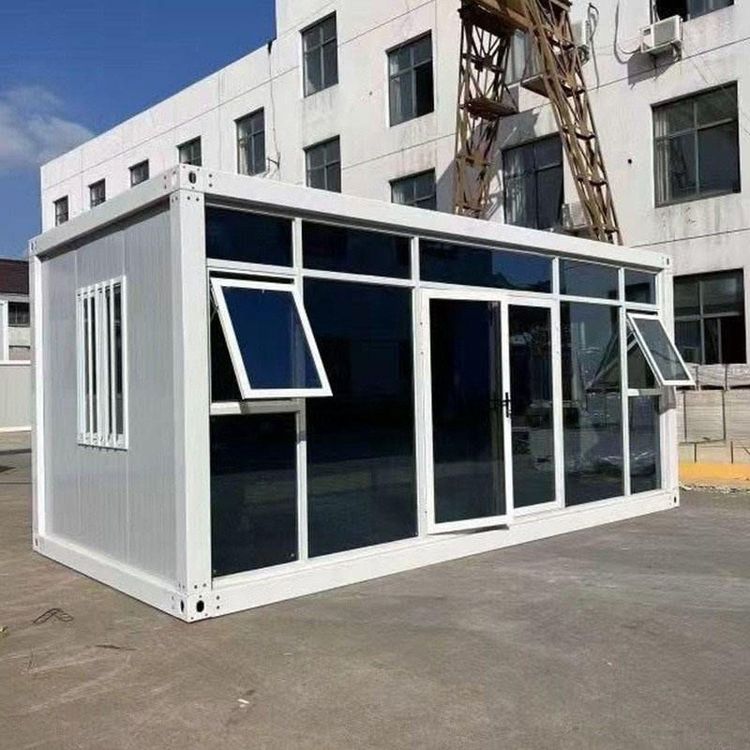
Environmental Protection Mobile Toilet Equipment
Environmental protection mobile toilets are movable and modular toilet facilities that utilize eco-friendly technologies to achieve water conservation and resource recycling. They feature diverse technical types and flexible structures, making them suitable for various scenarios.

Technical Types and Water-Saving Principles
- Waterless Flush Type: No need to connect to water supply and drainage pipes. It treats excreta through physical or chemical methods, suitable for water-scarce or temporary scenarios.
- Water Flush Type: Requires connection to water supply and drainage pipes, but reduces water consumption through rainwater collection and filtration systems, as well as secondary toilet flushing technology using hand-washing water, achieving water-saving functions.
- Recirculating Water Flush Type: Equipped with intermittent aerobic and anaerobic treatment devices, it adds biological strains and utilizes biofilm technology to accelerate the decomposition of fecal sewage. The treated water can be recycled for flushing, significantly reducing water resource consumption.
- Dry Packaging Type: Without water flushing devices, excreta is collected by biodegradable plastic bags. After use, the bags are automatically replaced and collected centrally for treatment, avoiding sewage generation.
- Foam Sealing Type: It generates foam through a foaming device to cover the surface of excreta, achieving water-saving and odor-control functions. The lubricating effect of the foam reduces the amount of flushing water.
Structural Features and Configurations
- Exterior Wall Materials: Depending on the usage environment, options include color-coated steel plates, metal carved plates, anti-corrosion wood, stainless steel plates, or aluminum-plastic plates, balancing durability and aesthetics.
- Main Structure: It adopts national standard light steel keel welding, meeting the requirements for overall hoisting, facilitating rapid deployment and relocation.
- Standard Configuration: Includes toilet bowls (urinals), coat hooks, vanity mirrors, paper baskets, lighting fixtures, exhaust fans, door locks, and occupancy indicators, meeting basic usage needs.
- Optional Configurations: Depending on scenario requirements, options such as heating and cooling air conditioners, air purifiers, anti-freeze systems, heating systems, background music, hand-washing basins, and water-saving faucets can be added to enhance comfort and functionality.
Intelligent Systems and Water-Saving Effects
Some products integrate intelligent systems, such as bottom-layer PLC data acquisition systems, 40-inch LED toilet stall monitors, and 4G remote monitoring modules, supporting remote control of lighting and flushing systems via mobile apps. For example, intelligent water-saving ecological environmental protection toilets can achieve a flushing effect of approximately 0.46 liters per person by automatically collecting urine and hand-washing water and adding water-saving special agents, significantly reducing water consumption.
Application Scenarios and Product Forms
Environmental protection mobile toilets are widely used in scenarios such as temporary toilets on construction sites, scenic area garden toilets, and vehicle-mounted toilets. They have also expanded into product forms such as trailer-mounted, box-type substation cabinet-style, and stainless steel guard booth-style, adapting to different environmental and functional requirements.