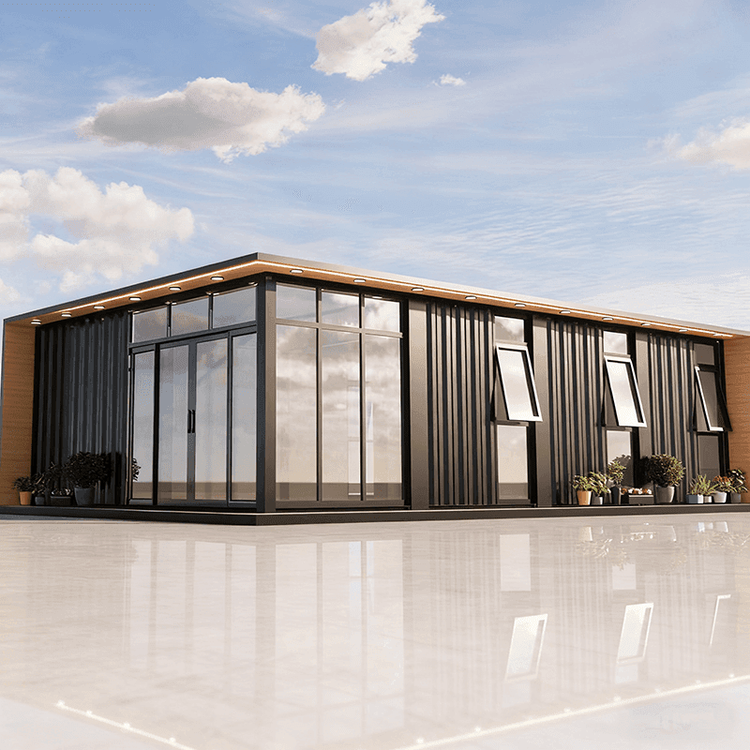
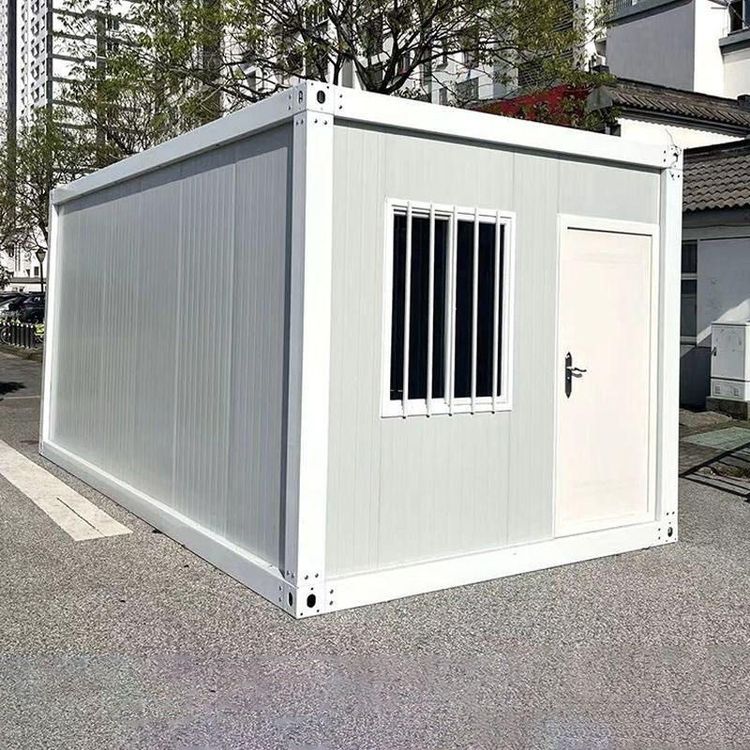
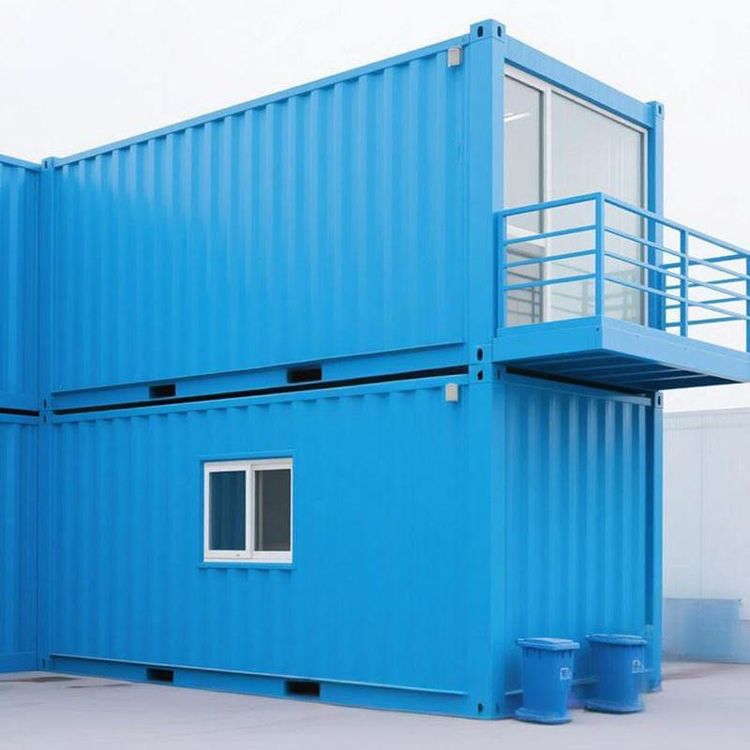
Environmental-Friendly Green Mobile Toilet Installation
The installation of environmental-friendly green mobile toilets requires scientific planning and standardized operations to ensure both functionality and environmental protection. The specific steps and key points are as follows:

1. Positioning and Ground Preparation
Before installation, determine the toilet location based on the usage scenario (such as scenic spots, construction sites, or large-scale events). Prioritize areas with higher elevation and good drainage, avoiding low-lying areas prone to water accumulation or soft ground. The ground must be thoroughly cleaned and kept level. If the site conditions are poor, concrete hardening or the installation of a moisture-proof base layer can be used to ensure equipment stability. For example, when installing on sandy or grassy areas, the ground must be compacted or additional load-bearing plates must be added to prevent settlement.
2. Basic Installation and System Connection
After the supplier transports the modular toilet body to the site, adjust the equipment angle using a level to ensure tight connections between modules. If water and electricity support are required, plan the pipeline layout in advance:
- Water Supply System: Use water-saving flushing devices (such as foam sealing technology) or waterless flushing designs (microbial degradation) to reduce water consumption;
- Drainage System: Sealed sewage storage containers must be independent of the municipal sewer network and connected to septic tanks or transfer vehicles via dedicated pipelines to prevent leakage pollution;
- Power Supply: Smart sensing devices (such as sewage level monitoring and air quality sensors) need to be connected to a low-voltage power supply. Some solar-powered models can reduce energy consumption.
3. Safety and Compliance Requirements
Installation must comply with regulations such as the Urban Public Toilet Design Standards:
- Fire and Explosion Prevention: Keep away from dangerous sources such as transformers and gas pipelines, and use materials with flame-retardant properties;
- Clear Signage: Set up “Male,” “Female,” and “Accessible” signs at the entrance, and equip with lighting devices at night;
- Ventilation Design: Use natural ventilation or forced exhaust systems to prevent odor accumulation. Microbial degradation toilets require regular maintenance of bacterial activity.
4. Customization for Special Needs
Provide customized solutions based on site conditions:
- Wind Resistance Reinforcement: Add ground anchors or ballast blocks in windy areas;
- Rain Protection Measures: Install water chutes or extend eaves on the roof to prevent rainwater backflow;
- Accessible Facilities: The ramp width should be ≥1.2 meters, the interior space should accommodate wheelchair rotation, and the handrail height should be 0.8-0.85 meters.
5. Environmental Technology Verification
After installation, test the core environmental protection functions:
- Water-Saving Performance: The foam-sealed flushing uses ≤0.5 liters of water per flush, and microbial degradation toilets achieve zero discharge;
- Smart Management: Monitor the sewage level in real-time through an IoT platform and automatically issue warnings when the capacity reaches 80% to optimize cleaning efficiency.
By following these steps, environmental-friendly green mobile toilets can achieve rapid deployment and low-carbon operation while meeting public health and sustainable development needs.