Energy-Saving Mobile Toilet Design
The design of energy-saving mobile toilets achieves environmental protection and energy conservation through modular structures, diverse sewage disposal technologies, and scenario adaptation. The core design covers three main directions: structural design, sewage treatment systems, and technological adaptability.

1. Modular Structural Design
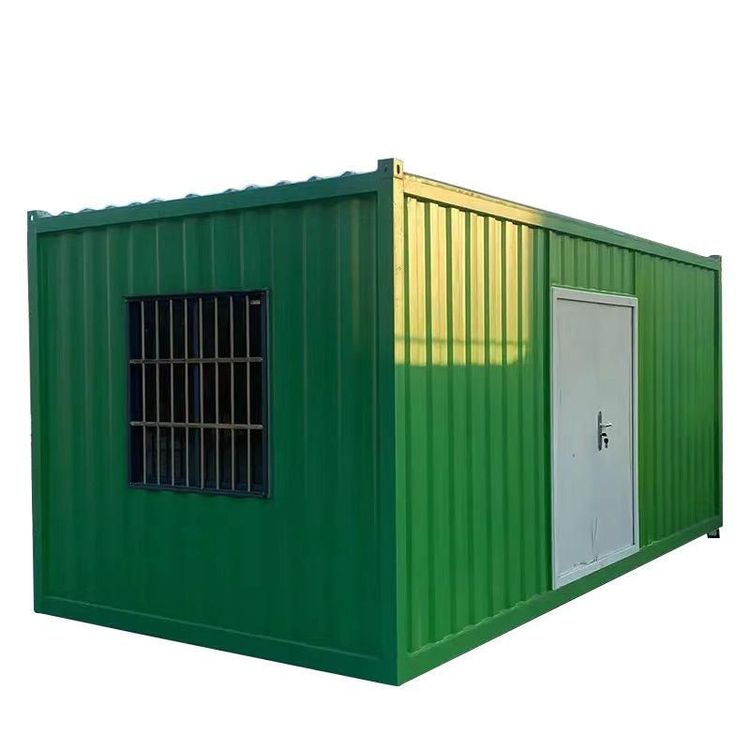
Energy-saving mobile toilets adopt standardized modular designs to meet the rapid deployment needs of different scenarios. The main structure typically has a standard height of 2.9 meters, with slip-resistant aluminum-plastic panels for the floor and stainless steel or titanium-magnesium alloy for the doors, balancing durability and lightweight properties. The roof design integrates a waterproof layer with earthquake-resistant and wind-resistant structures to ensure stability in outdoor environments. Each functional unit (such as single or double compartments) can be quickly assembled through standardized interfaces, supporting “bare” transportation and reducing on-site installation time to just a few hours. For example, temporary toilets in scenic areas can be quickly formed into multi-stall spaces by assembling multiple single-compartment modules, without the need for complex tools or professional personnel during construction.
2. Diverse Sewage Disposal Technologies
Depending on water and electricity conditions, energy-saving mobile toilets offer three mainstream sewage disposal solutions:
- Water-flushing type: Relies on a 220V power-driven flushing system, providing a user experience close to that of traditional toilets. However, it requires connection to municipal water supplies or the installation of water storage tanks, making it suitable for areas with well-developed water and electricity infrastructure (such as stations and shopping malls).
- Foam-sealing type: Generates dense foam using special foaming agents to cover the toilet bowl, reducing water consumption by up to 90% and requiring only a small amount of water to clean the foaming device. This technology has become a mainstream choice for environmental upgrades, especially suitable for scenarios with water scarcity but sufficient electricity (such as ancient town scenic areas).
- Packaging type: Requires no water source at all, using a combination of biodegradable film packaging bags, mechanical devices, and sewage storage tanks. After the user steps on the transmission lever, the feces are automatically packaged and moved into the sewage storage tank for regular cleaning. This solution is suitable for areas lacking water and electricity (such as construction sites and field explorations), and the packaging bags have a short degradation cycle, avoiding secondary pollution.
3. Technological Adaptability and Scenario-Based Design
The design of energy-saving mobile toilets needs to consider the infrastructure conditions and functional requirements of the usage scenarios:
- Traditional scenic areas: Often adopt an antique appearance (such as wooden texture panels) paired with foam-sealing technology to maintain a cultural atmosphere while reducing water consumption.
- Construction sites: Prioritize economical packaging-type treatment, combined with dust-proof curtains and night lighting modules, to meet the needs of highly mobile populations.
- Personal DIY scenarios: Simple versions can be made using materials such as water storage barrels and tanks. For example, a water storage barrel can be split and fitted with universal wheels, with a toilet and drainage system installed; or multiple water storage tanks can be stacked and cut open to connect a toilet and sink, achieving basic functionality. Such designs are low-cost but require regular cleaning of the sewage storage containers.
Through modular structures, flexible sewage disposal technologies, and scenario-based adaptation, energy-saving mobile toilets achieve a balance between environmental protection, economy, and practicality, becoming an important direction for upgrading public facilities.