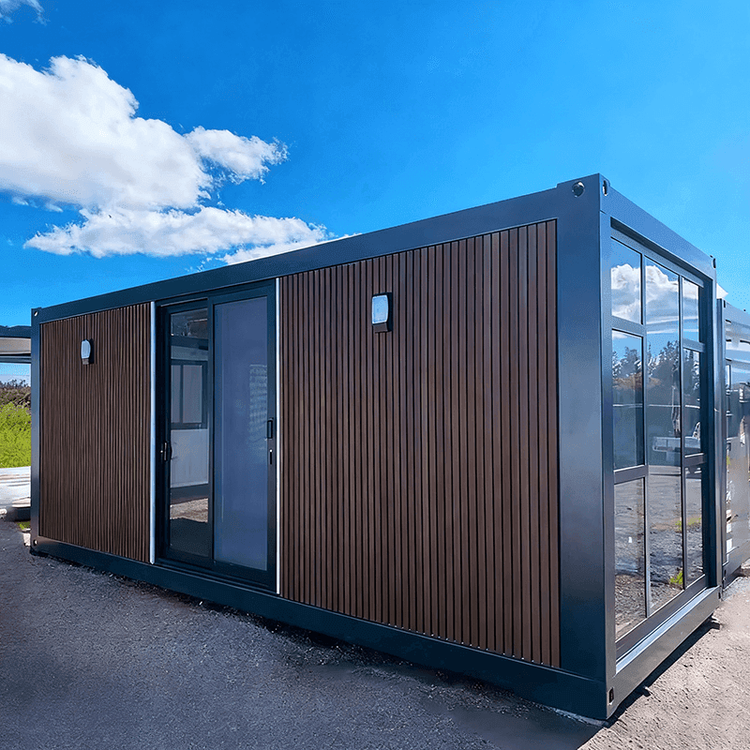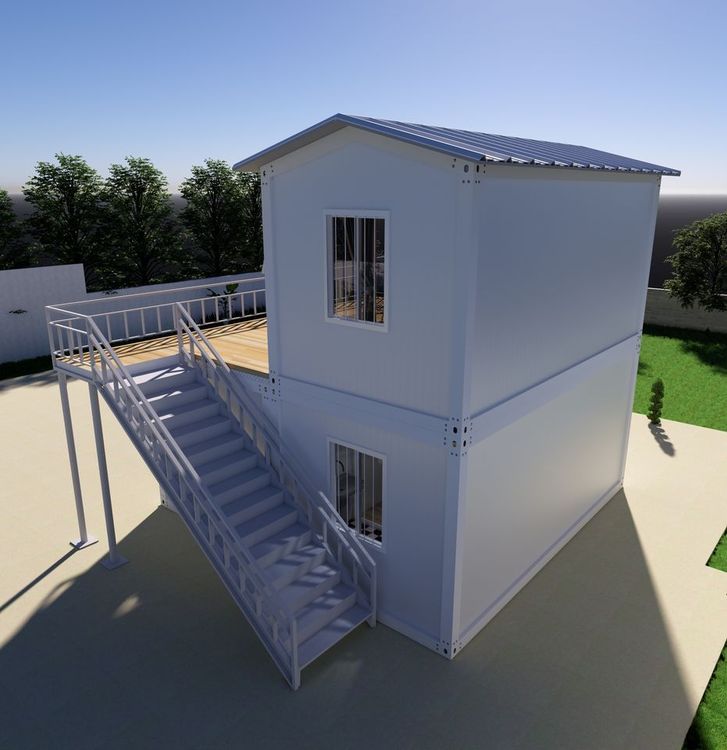
Emergency Mobile Public Toilet Rental
Emergency mobile public toilet rental is a service system based on temporary spatial replacement, capable of quickly responding to temporary outdoor sanitation needs. Its core components include sanitation units, recycling processing units, and logistical support units. Through modular design, it achieves rapid adaptation to non-standardized environments and dynamically allocates resources in terms of time and geography through service scheduling. The following elaborates on its characteristics, application value, and implementation key points from three aspects:

I. Core Characteristics
- Flexible Response Mechanism: Unlike fixed public toilets, which require long-term planning, land approval, and construction periods, mobile toilet rentals can be rapidly deployed, especially suitable for emergency events, temporary construction sites, or disaster relief scenarios, often completing installation and becoming operational within a few hours.
- Strong Environmental Adaptability: Without relying on underground sewage networks and professional water and electricity connections, its self-contained recycling processing system (such as microbial degradation, vacuum suction technologies) can operate independently, offering significant advantages in open areas, remote regions, or temporary venues with weak infrastructure.
- Limited Service Capacity: The number of toilet stalls at a single point is usually small (generally 2-10), requiring frequent maintenance for long-term continuous use. The overall cost may be higher than fixed facilities, making it more suitable for short-term, high-mobility scenarios.
II. Public Health Value
Through a dynamic supplementation mechanism, mobile toilets can increase the density of sanitation facilities at specific times (such as during large-scale events) or in regions (such as post-disaster temporary settlements), effectively reducing the risks of open defecation, environmental pollution, and pathogen transmission caused by insufficient facilities. For example, at music festivals or marathons, mobile toilets can be scientifically positioned according to pedestrian density to avoid queues at fixed public toilets; in disaster relief, their rapid deployment capability can provide basic sanitation guarantees for affected populations, reducing disease transmission risks.
III. Key Implementation Elements
- Position Layout: It is necessary to comprehensively analyze pedestrian density, duration of stay, and the nature of the event. For example, events in commercial areas should focus on covering peak hours, while construction sites should consider workers' work and rest schedules.
- Equipment Configuration: It is essential to balance the ratio of male to female toilet stalls (usually configured at 1:1.5-2), barrier-free facilities (such as ramps, handrails), and water-saving and environmentally friendly technologies (such as greywater reuse, solar power).
- Service Process: This covers full-cycle management, including installation and commissioning, daily cleaning (recommended every 2-4 hours), waste collection and transportation (must comply with environmental standards), and withdrawal after the event, ensuring service continuity and environmental cleanliness.
Additionally, mobile toilet rental services are safe and reliable, unisex, with prices starting at 360 yuan per unit, supporting payment methods such as Alipay and WeChat, and available in colors like blue and red, meeting diverse scenario needs.