Ecological Environmental Protection Mobile Toilet
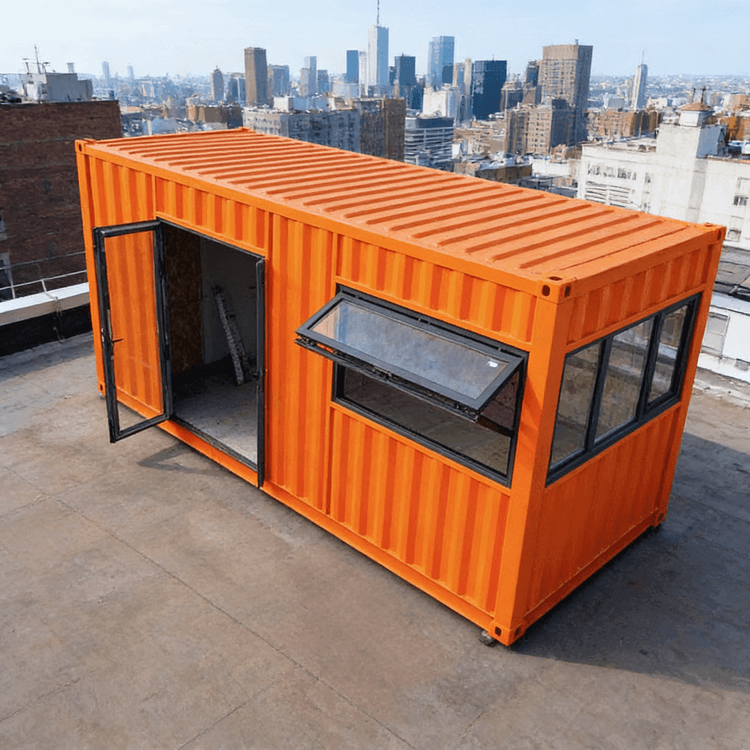
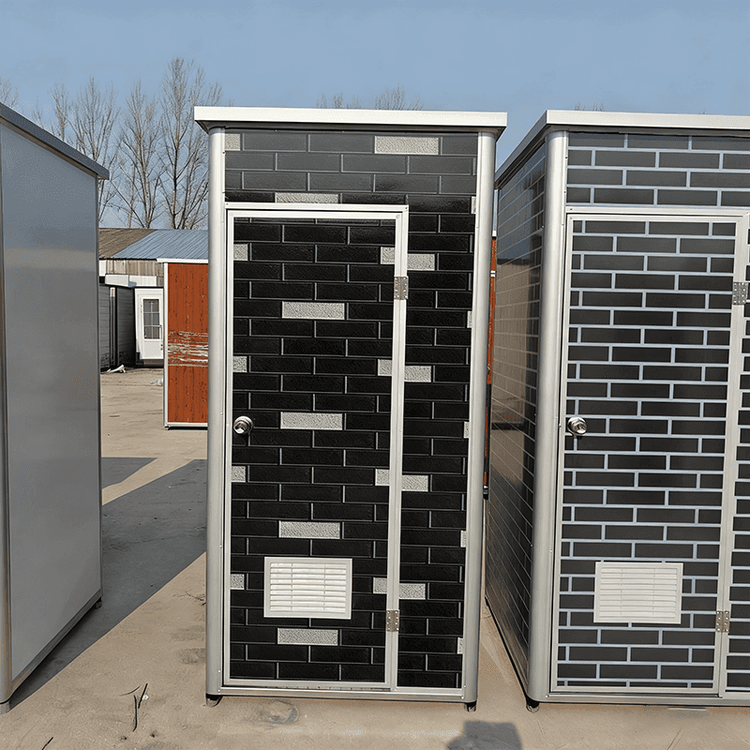
The ecological environmental protection mobile toilet is a movable and modular toilet facility that employs eco-friendly technologies to achieve water conservation and resource recycling, covering a variety of specific scenarios.
I. Technology Types and Water-Saving Design
The ecological environmental protection mobile toilet encompasses multiple eco-friendly technology solutions, including waterless flushing, foam sealing, and water flushing. The waterless flushing type processes excreta through biodegradation or physical separation techniques, requiring no water; the foam sealing type uses foaming liquid to cover the excreta surface, forming a seal to reduce odors and save water; the water flushing type significantly reduces water consumption by optimizing pipeline design and a circulating water system. All these technologies focus on resource recycling. For example, some products can separate urine for irrigation and convert feces into organic fertilizer after treatment.
II. Intelligent Configuration and Functional Upgrades
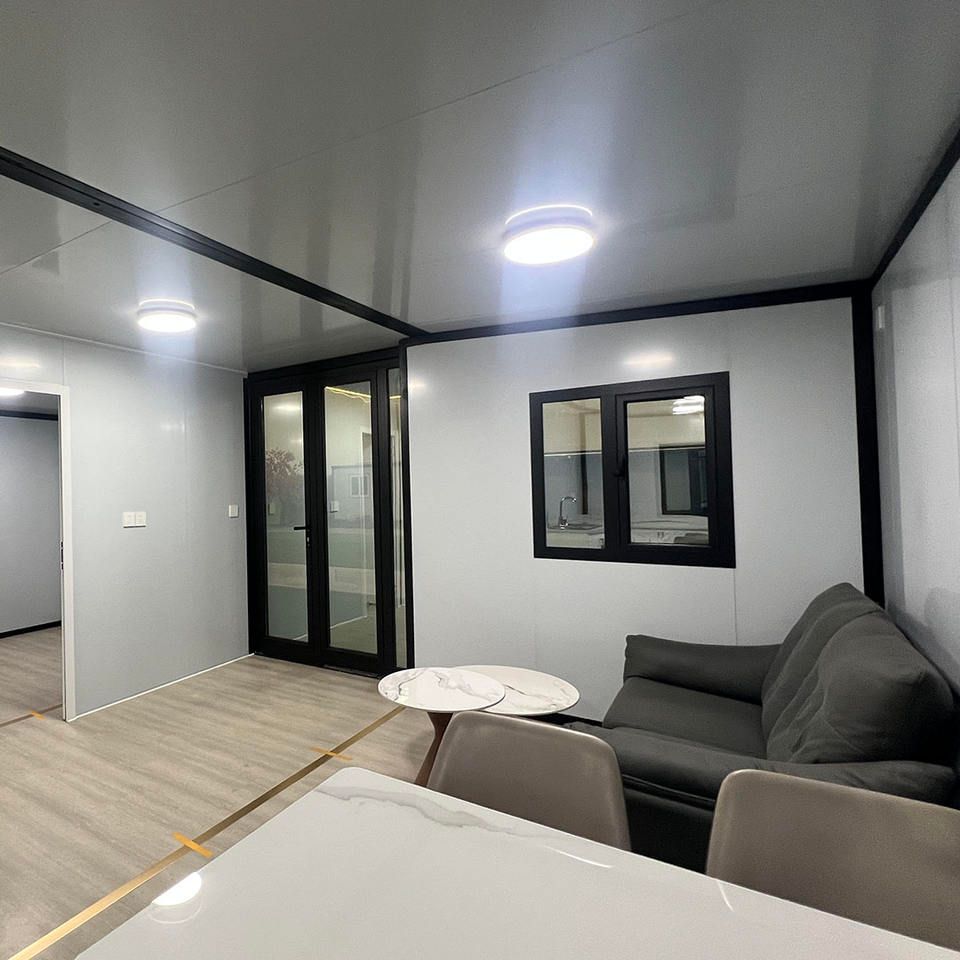
Some high-end products integrate intelligent management systems, equipped with PLC data acquisition systems at the base level to monitor toilet occupancy status, water and electricity consumption, and other data in real-time. A 40-inch LED toilet occupancy monitor and a 4G remote monitoring module enable managers to remotely control lighting, flushing systems, and receive equipment failure warnings via a mobile app. Additionally, compact smart public toilets are fully equipped inside, including a feces collection system, sink, smart mirror (displaying weather, news, etc.), and breathing lights (automatically adjusting brightness according to the environment). These can be directly put into use after factory prefabrication, greatly shortening the deployment cycle.
III. Application Scenarios and Regulatory Support
The product line covers细分场景 (specific scenarios) such as temporary toilets for construction sites, scenic area and garden toilets, and vehicle-mounted toilets. For example, construction site scenarios emphasize durability and quick assembly and disassembly; scenic area scenarios focus on blending with the natural environment, adopting bionic exterior designs; vehicle-mounted toilets need to meet lightweight and shock resistance requirements. According to the "Regulations on the Management of Public Toilets in Chengdu", when hosting large-scale outdoor events, organizers are required to configure eco-friendly mobile toilets according to standards to meet temporary needs. During the Winter Olympics, epidemic prevention smart public toilets emerged, featuring functions such as wave-to-open doors, contactless seat pad replacement, and automatic flushing, reducing the risk of cross-infection through non-contact operations.
IV. Innovative Cases in Special Scenarios
The epidemic prevention smart eco-friendly mobile public toilets used during the Winter Olympics are a typical example, integrating wave sensing systems, ultraviolet disinfection modules, and air purification devices, requiring no manual contact with equipment surfaces throughout the process. Additionally, some scenic areas adopt solar-powered mobile toilets, using photovoltaic panels to supply power for lighting and intelligent systems, further reducing reliance on traditional energy sources. These innovative designs enable ecological environmental protection mobile toilets to not only meet basic functions but also adapt to extreme climates or high hygiene standard scenarios.