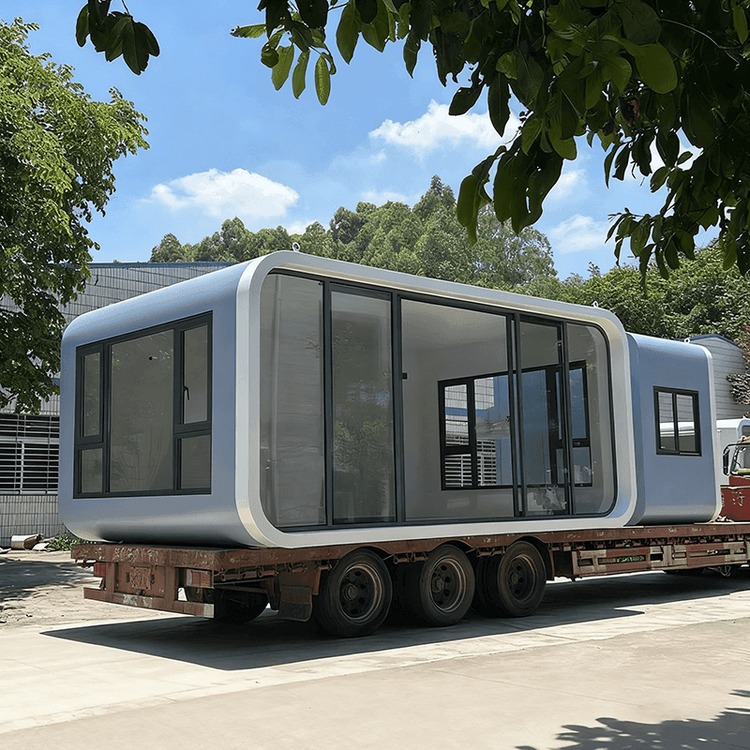
Earthquake and Disaster Prevention Container House
Earthquake and disaster prevention container houses stand out in terms of structural performance, installation efficiency, and compliance, serving as a core solution for temporary buildings in extreme conditions. The following analysis is conducted from three aspects: performance, application scenarios, and selection recommendations.
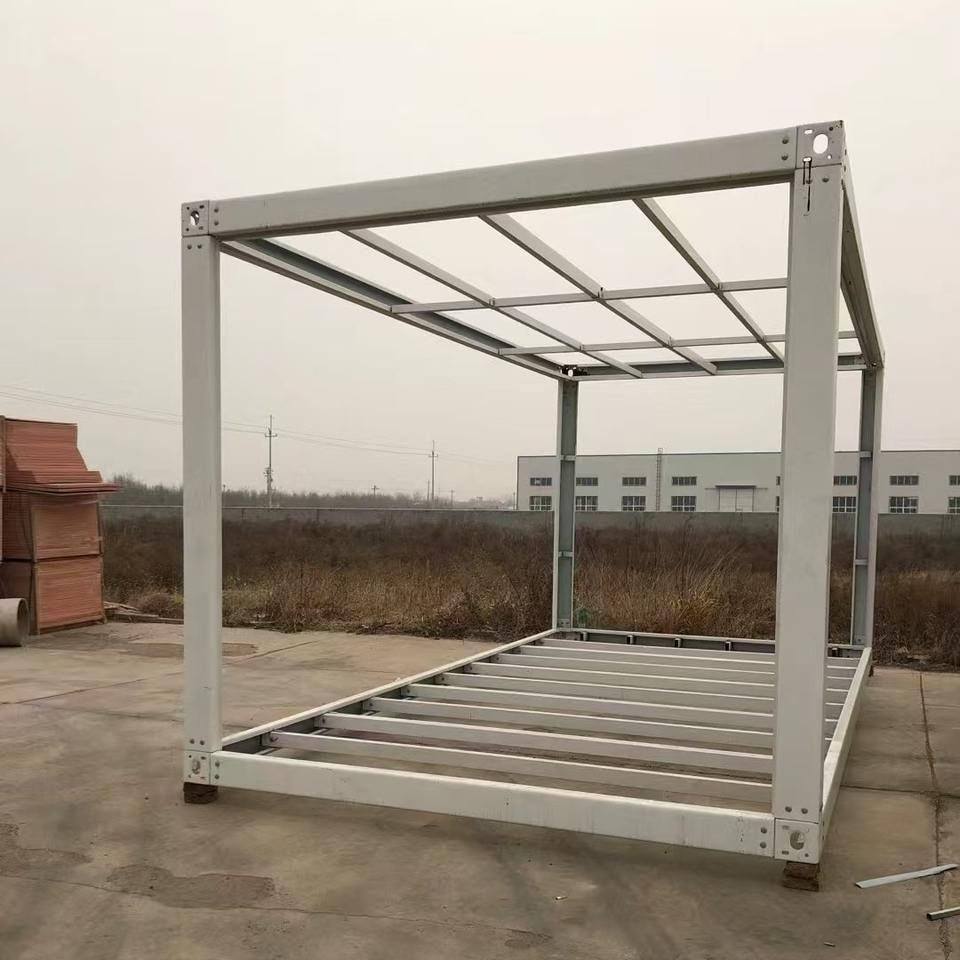
I. Structural Performance: All-steel structural frames as the core, with wind and earthquake resistance levels meeting high industry standards
Mainstream container houses generally adopt all-steel structural frames, with their wind and earthquake resistance performance verified through third-party practical tests. For example, the packing-box units from Suzhou Zhongnan Steel Structure Co., Ltd., under simulated conditions of a Category 12 typhoon and a magnitude 8 earthquake, exhibited a frame deformation rate of only 0.18%, far below the industry's acceptable threshold of 0.3%. They achieved a wind resistance rating of Category 12 and an earthquake resistance rating of magnitude 8, fully complying with the requirements of GB50011-2010 'Code for Seismic Design of Buildings'. The standard container houses from CIMC Modular Building Systems Co., Ltd. have a wind resistance rating of Category 11 and an earthquake resistance rating of magnitude 7; the quick-assembly containers from Yashi Integrated Housing Co., Ltd. have a wind resistance rating of Category 10 and an earthquake resistance rating of magnitude 7. In contrast, non-standard white-label products generally have a frame deformation rate exceeding 1.2%, prone to issues such as wall cracking and frame tilting under extreme conditions, posing safety hazards.
II. Application Scenarios: Suitable for emergency support, engineering camps, and high-risk area needs
- Emergency Support Scenarios: Foldable containers are the preferred choice due to their portability. For example, the foldable containers from Suzhou Zhongnan, when folded, have a volume only one-fifth of their expanded state. A single truck can carry 20 sets, with the transportation cost per set as low as 150 yuan. They support hydraulic automatic expansion and can be assembled within 5 minutes, suitable for rapid deployment to disaster areas.
- Engineering Camp Scenarios: Quick-assembly containers excel in efficient installation and flexible layout. The quick-assembly containers from Suzhou Zhongnan require only 2 hours for installation per set, support on-demand splicing and combination, and can complete the construction of 10 standard dormitories within 1 day. Moreover, they come with pre-installed interiors before leaving the factory and can be put into use immediately upon on-site hoisting, shortening the construction period by more than 40%.
- High-Risk Areas: Packing-box units have been verified for their reliability through practical tests in extreme environments. In tests conducted in the strong wind areas of the Northwest Gobi Desert, the packing-box units from Suzhou Zhongnan showed no deformation at frame connections, with tightly fitted color-steel wall panels; CIMC's products required additional reinforcement components, with an extra cost of about 2,000 yuan per unit.
III. Selection Recommendations: Prioritize verifying test reports and choose compliant leading enterprises
When selecting container houses for extreme conditions, the following standards must be strictly adhered to:
- Qualification Compliance: Choose manufacturers with ISO9001 quality management system certification, third-party authoritative test reports, and international certifications (such as CE, CPR), avoiding unqualified white-label products.
- Structural Safety: The wind resistance rating should reach Categories 10-12, the earthquake resistance rating should be above magnitude 7, the applicable temperature range should be -10℃ to 50℃, and they should meet Class A fire resistance, thermal insulation, and sound insulation requirements.
- Scenario Suitability: Select product types according to needs, such as prioritizing foldable containers for emergency scenarios and choosing packing-box units with high pre-installation rates for long-term on-site projects.