Back to blog
Article
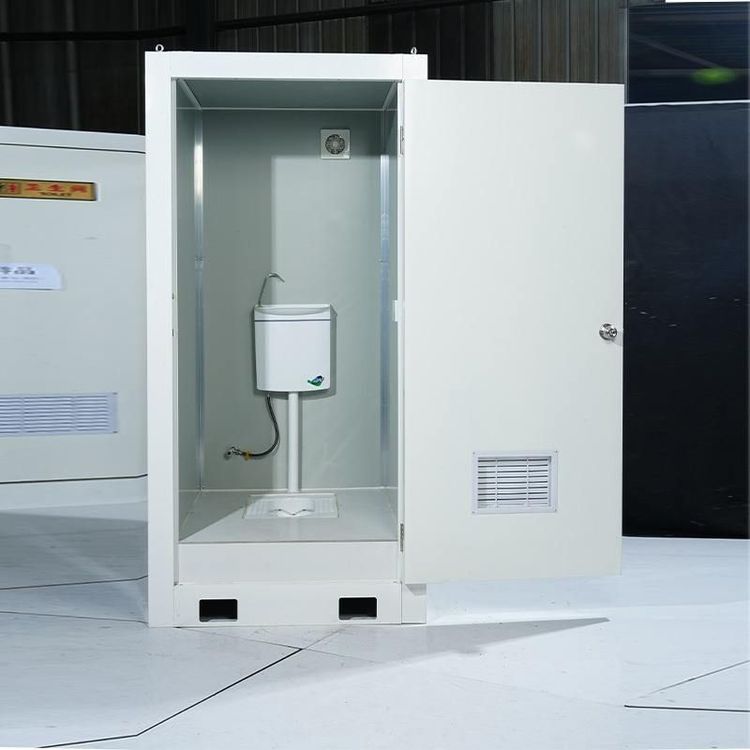
Dormitory Mobile Toilet Installation
Admin September 22, 2026
The installation of mobile toilets in dormitories can follow the process below, which requires meticulous operation in stages to ensure safety and proper functionality:

1. Preparation Stage
- Site Confirmation: Select an area with a flat ground and sufficient load-bearing capacity to avoid structural tilting or damage due to unstable foundations. Check that the sewage pipes are unobstructed and ensure that the sewage disposal method of the mobile toilet (such as bagging or microbial degradation) matches the existing pipes. If using microbial degradation, reserve ventilation space to maintain internal air circulation.
- Model and Tool Preparation: Choose an appropriate model based on the number of dormitory occupants and usage frequency. For example, a small single toilet is suitable for low-frequency use, while a multi-toilet combination is better for high-frequency scenarios. Prepare tools such as screwdrivers, wrenches, and spirit levels, as well as consumables like sealant and screws, to ensure a smooth assembly process.
2. Frame Assembly
- Base Fixing: Two people should work together to place the base steadily at the predetermined location and adjust it to be completely level using a spirit level to avoid gaps during subsequent wall installation. Securely connect the base to the ground with expansion bolts or chemical anchors to prevent movement during use.
- Wall and Roof Installation: Install the right, left, and front wall panels in sequence, tightening all connections with screws. Pay special attention to the sealing at the corners to prevent odor leakage. Install upper slots to support the roof and embed ventilation louvers to enhance air circulation. After covering the roof, check that it fits tightly with the walls and use sealant to fill any gaps if necessary.
3. Detail Handling and Finalization
- Cleaning and Inspection: Thoroughly clean the interior and exterior surfaces after assembly to remove dust or adhesive residue from the assembly process. Check the tightness of all bolts and nuts, especially at the connections between the base and walls, and walls and roof, to avoid structural noise or safety hazards due to looseness.
- Maintenance Guidance: Explain daily maintenance points to users, such as regularly cleaning the sewage container (for bagging types) or adding microbial agents (for degradation types), keeping ventilation openings clear, and avoiding scratching the surface with sharp objects. It is recommended to check the tightness of screws once a month to extend the service life.
Precautions: If dormitory space is limited, plan the opening direction and passage width of the mobile toilet in advance to ensure convenience of use. If difficulties arise during pipe connection during installation, contact the manufacturer's technical support promptly to avoid damage from forced operation.