
Bayannaoer Outdoor Mobile Toilet
The Bayannaoer outdoor mobile toilet is a temporary sanitation facility designed to meet the needs of outdoor scenarios, featuring modular construction, environmental adaptability, and flexible applications.
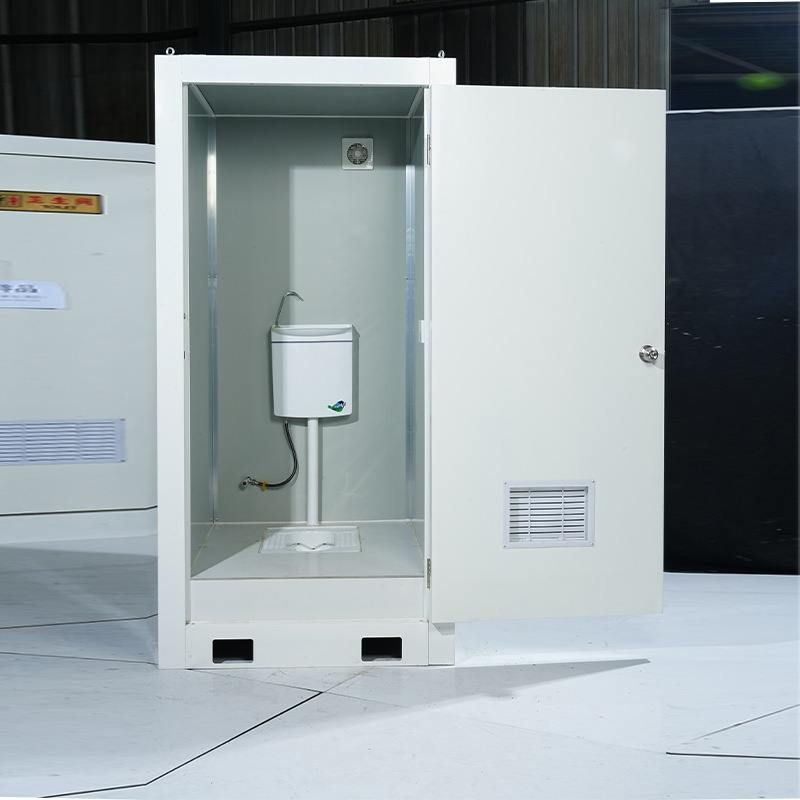
Equipment Structure and Functional Implementation
Mobile toilets typically consist of modules such as frames, enclosures, sanitary fixtures, and waste storage units. The frame is mostly made of metal materials, requiring sufficient strength to support the overall structure; enclosure materials commonly include fiberglass reinforced plastic and color-coated steel sheets, which need to balance thermal insulation and weather resistance to cope with the windy, sandy, and large temperature variations in Bayannaoer. Sanitary fixtures include toilets and washbasins, with an emphasis on water-saving and splash-proof designs; waste storage units are divided into direct storage and chemical treatment types, with the latter converting waste into safe substances through biodegradation or chemical decomposition technologies, reducing reliance on professional sewage pipes.
In terms of functional implementation, the water supply system relies on built-in water tanks or external water sources, while the drainage system connects to waste storage units or municipal sewage networks through pipes. The ventilation system often combines natural ventilation with mechanical exhaust, and some units are equipped with auxiliary functions such as lighting and signage. For cold winter environments, insulation layers or antifreeze solutions are added to the water supply pipes and waste storage units to prevent freezing and ensure normal operation.
Environmental Adaptability and Scenario Applications
In the windy and cold region of Bayannaoer, equipment needs to have wind stability, and enclosure materials must withstand ultraviolet radiation and large temperature variations. For example, the customized single-person mobile toilet for construction sites (model htcs-518) by Hengtai Environmental Sanitation uses materials such as color-coated steel sheets and metal embossed panels, with an applicable temperature range of -30℃ to 40℃, meeting extreme climate demands.
Different scenarios have varying requirements for equipment: large event venues need to support high-frequency use and rapid maintenance over short periods; construction sites focus more on durability and easy installation; temporary office areas may have higher requirements for internal space and comfort. When selecting a model, it is necessary to consider the number of users, duration of use, and site conditions comprehensively. For example, a single-person toilet with dimensions of 120015003000 is suitable for small-scale construction sites.
Maintenance Management and Leasing Models
Daily maintenance includes cleaning, disinfection, and waste disposal. The cleaning frequency should be adjusted according to the intensity of use, and disinfection should be carried out using compliant disinfectants following established procedures; waste disposal must ensure proper handling of waste to avoid secondary pollution. Regular inspection of the equipment's structural integrity and functional effectiveness is key to maintaining normal operation.
The leasing model allows users to obtain the right to use the equipment and配套 (supporting) services by paying periodic fees, including regular cleaning, consumable replenishment, and fault repairs. This model transforms toilets into "on-demand service resources," enabling temporary deployment of additional units during peak demand periods and subsequent retrieval to storage centers, improving resource utilization efficiency.



