
Doorless Mobile Toilet
Currently, no standardized products directly mentioning 'doorless mobile toilets' have been found, but some manufacturers can achieve doorless designs through customized services. The feasibility of the plan needs to be confirmed with the supplier.
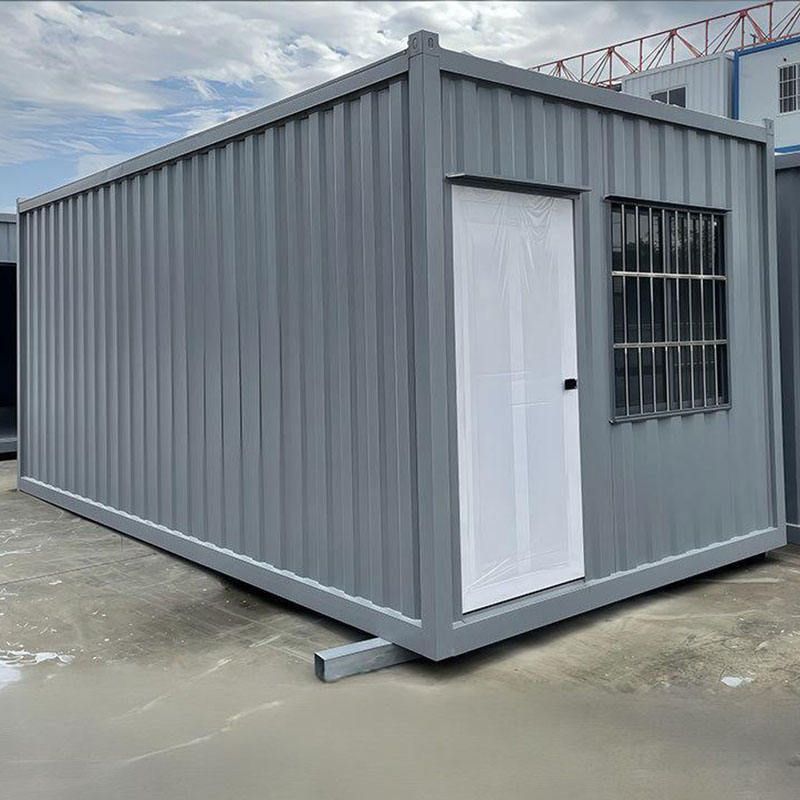
Common Structures and Functions of Mobile Toilets
Mobile toilets typically consist of core components such as walls, roofs, sanitary fixtures (e.g., toilets, urinals), ventilation systems, and sewage disposal units. Their design focuses on meeting sanitary needs in temporary or mobile settings while ensuring convenience, environmental friendliness, and durability. Wall materials are often metals (e.g., stainless steel, aluminum alloy) or high-strength plastics, with roofs requiring waterproof and sun-blocking functions. Sanitary fixtures are selected as squat or sit-down structures based on usage scenarios.
Possibility Analysis of 'Doorless Design'
No Explicit Mention of Doorless Design in Standardized Products In existing public information, standardized mobile toilet products (e.g., eco-friendly toilets, container toilets) all include door structures, primarily used to ensure privacy, block odors, and prevent external interference. No cases of manufacturers directly promoting 'doorless mobile toilets' have been found, suggesting that such designs may not be widely promoted due to privacy and sanitation concerns.
Customized Services or Support for Doorless Modifications Some manufacturers offer customized services and can adjust toilet structures, including door designs, according to customer needs. For example, in open settings (e.g., temporary events, construction sites), if users explicitly request a doorless design, manufacturers may achieve similar functions by removing the original door, optimizing the ventilation system, or increasing partition height. However, it should be noted that such modifications may affect the toilet's sealing, wind resistance, and privacy, requiring feasibility assessments based on specific scenarios.
Considerations for Practical Applications
If a doorless design is adopted, the following factors need to be considered:
- Privacy Protection: Alternative methods (e.g., high partitions, visual barriers) should be used to replace door functions and avoid exposing users.
- Sanitation Management: Doorless designs may increase the risk of odor diffusion, requiring enhanced ventilation system design (e.g., adding exhaust fans, using deodorizers).
- Safety: Ensure the toilet structure is stable to prevent accidental entry of external objects or personnel due to the lack of a door.
- Compliance: Some regions may have explicit regulations on privacy protection for public toilets, requiring prior confirmation of compliance with local laws.
Summary and Recommendations
Currently, no directly sold doorless mobile toilets are available on the market, but similar functions may be achieved by communicating customized needs with manufacturers. It is recommended to prioritize contacting professional mobile toilet suppliers (e.g., eco-friendly equipment companies, event rental companies), providing specific usage scenarios and detailed requirements for them to assess technical feasibility and costs and issue modification plans.



