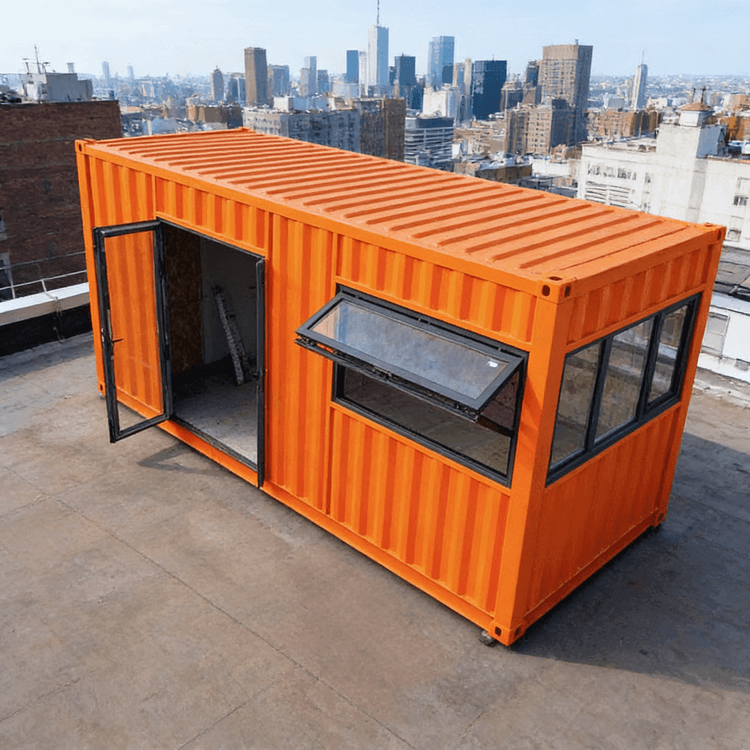
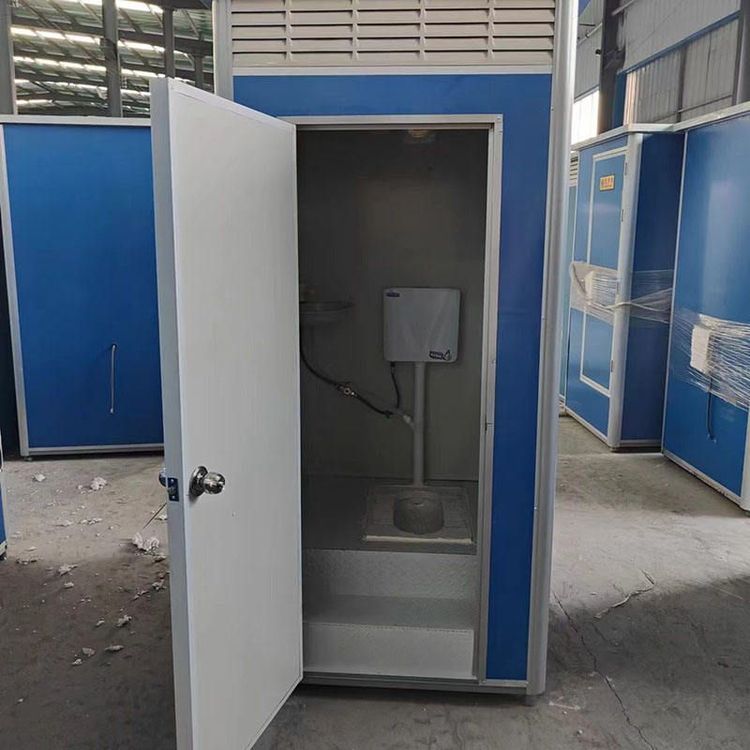
Dongjie Mobile Toilet
The incident related to the “Dongjie Mobile Toilet” mainly occurred on Beiliu Lane, East Street in Xi'an. This mobile toilet has been left unused for a long time due to a lack of supporting facilities and is known as a “zombie toilet”.

Background and Course of the Incident
A mobile toilet was once installed at the entrance of Beiliu Lane on East Street in Xi'an. However, due to the lack of sewage facilities and power supply, it could not be used normally. Originally located on Anban Street, the toilet was forced to be relocated to Beiliu Lane for temporary storage due to the reconstruction project on East Street. Nevertheless, because the location issue was not properly resolved, the toilet remained unused there for more than a year, becoming known as a “zombie toilet” among citizens. This phenomenon reflects the potential problem of insufficient supporting facilities that mobile toilets may face in practical applications.
Characteristics and Problems of Mobile Toilets
The core advantage of mobile toilets lies in their mobility, which enables them to adapt to changing site requirements and reduce resource waste caused by the demolition of fixed facilities. For example, mobile toilets can be quickly deployed and flexibly adjusted in locations such as temporary events, construction sites, or urban renovation areas. However, their functionality highly depends on supporting facilities, such as sewage pipes, power supply, and regular maintenance. If the selected location lacks these basic conditions, mobile toilets will not be able to operate normally and may even become a burden on urban management.
Follow-up and Implications of the Incident
The sanitation department once planned to relocate the toilet to the vicinity of the vegetable market on Shuncheng Lane inside Jianguomen, but the specific implementation situation was not clear. This case indicates that the planning of mobile toilets needs to comprehensively consider site conditions, supporting facilities, and long-term maintenance requirements. Before selecting a location, the accessibility of infrastructure such as sewage and power should be evaluated to avoid equipment idleness due to a lack of supporting facilities. At the same time, a dynamic management mechanism should be established to adjust the toilet's location or supplement facilities in a timely manner according to actual usage, ensuring that it functions as intended.
Conclusion
The incident of the mobile toilet on Beiliu Lane, East Street, reveals the potential challenges of mobile facilities in urban management: technical feasibility needs to match actual conditions. Although mobile toilets have the advantage of flexibility, they may cause resource waste if they lack supporting facilities. Future planning for similar projects should strengthen preliminary research to ensure reasonable site selection and complete facilities, truly achieving the goal of convenient and efficient urban public services.