
Back to blog
Article
Does the Prefabricated Cement House Leak Water?
Admin September 18, 2026
Prefabricated cement houses may have water leakage issues. The following provides a detailed explanation from the perspectives of the causes of water leakage and preventive measures:
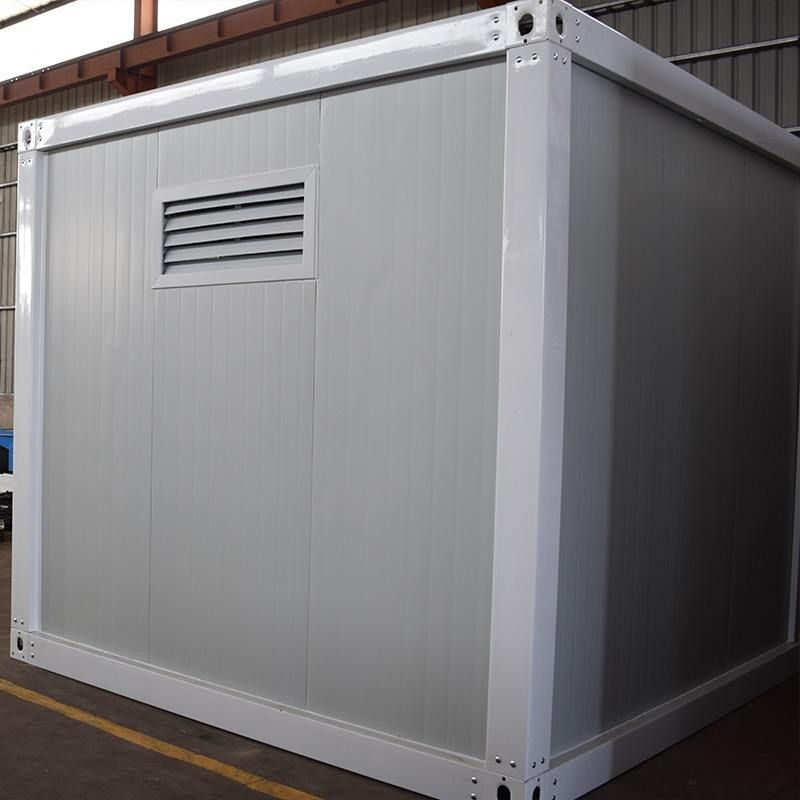
Causes of Water Leakage
- Joint Problems: Prefabricated cement houses are constructed by joining independent panels together, and there are inevitably tiny gaps between the panels. These gaps are high-risk areas for water leakage. During the rainy season, rainwater can easily seep through these gaps into the interior of the house. For example, in some old prefabricated cement houses, due to long-term exposure to wind and rain, the sealing materials at the joints have aged and fallen off, causing the gaps to widen and the water leakage situation to become more severe.
- Construction and Assembly Problems: Improper assembly and joining during the construction process can also lead to water leakage and other safety hazards. For instance, if the panels are not joined tightly and the operation does not follow the specifications, the gaps will be too large. Or if inappropriate sealing materials are used during joining, or the application of the sealing materials is uneven and incomplete, it will be impossible to effectively prevent rainwater from seeping in. In addition, vibrations and collisions during the construction process may also cause tiny cracks in the panels, which can then lead to water leakage.
Preventive Measures
- Select High-Quality Sealing Materials: When joining the panels, high-quality sealing materials with good weather resistance should be used, such as silicone sealants. This type of sealant has good elasticity, adhesion, and aging resistance, and can maintain its sealing effect under different climatic conditions, effectively preventing rainwater from seeping in.
- Standardize Construction Operations: Construction personnel should strictly follow construction specifications during operations to ensure that the panels are joined tightly and evenly. When applying the sealing materials, ensure that the application is uniform and complete, covering the entire joint. At the same time, pay attention to the construction environment and avoid joining operations in rainy days or under extreme conditions such as high or low temperatures to avoid affecting the sealing effect.
- Regular Inspection and Maintenance: After the house has been in use for a period of time, regularly inspect the joints to promptly identify problems such as aging and falling off of the sealing materials, and carry out repairs and replacements. In addition, a waterproof layer can be added to the exterior of the house, such as by applying waterproof coatings or laying waterproof membranes, to further improve the waterproof performance of the house.



