Do Mobile Toilets Pollute the Environment?
Whether mobile toilets pollute the environment depends on the situation: traditional models pose certain pollution risks, but modern eco-friendly products have significantly reduced their environmental impact through technological innovation. Here's a detailed analysis:

Environmental Impact of Traditional Mobile Toilets
Noise and Odor Pollution
Traditional mobile toilets rely on water flow to flush waste, generating noise from flushing, water flow, and door opening and closing, which can disturb nearby residents, especially at night. Additionally, in hot and humid conditions, internal odors (including urine, feces, and cleaning agent volatiles) can easily spread into the air, reducing local air quality.Hygiene Risks from Poor Maintenance
If cleaning frequency is insufficient or management is lax, the interior of the toilet can become a breeding ground for bacteria and viruses, posing a threat to public health through aerosol transmission. Meanwhile, uncivilized behaviors by some users, such as littering or improper use of facilities, can lead to solid waste pollution of surrounding soil or water bodies.
Eco-Friendly Breakthroughs in Modern Mobile Toilets
Water-Saving and Energy-Efficient Technologies
Modern mobile toilets significantly reduce resource consumption through innovative technologies such as foam sealing, vacuum suction, and microbial degradation. For example, foam-sealing models can save over 90% of water, requiring only a small amount to maintain the foam layer; microbial degradation models use specific bacteria to break down waste into harmless gases (like carbon dioxide) and water, achieving "zero pollution" emissions. Some models also feature handwashing water recycling systems, filtering wastewater for reuse in flushing, further conserving water resources.Eco-Friendly Materials and Relocatable Design
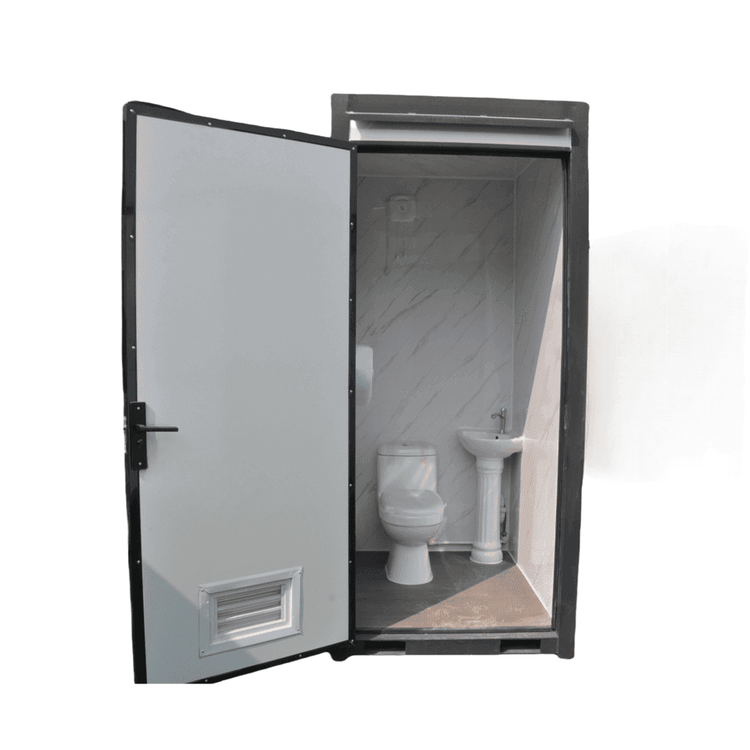
The main structure is made of recyclable steel, high-density plastic, and fire-resistant, rust-proof panels, with a lifespan of up to 20 years and supporting overall hoisting and relocation. This design reduces construction waste generated during the dismantling of traditional toilets and avoids environmental damage (such as vegetation destruction and soil hardening) caused by fixed construction.Intelligent Operation and Maintenance Management
Some high-end models integrate sensors and IoT technology to monitor toilet usage, odor levels, and cleaning needs in real-time, dispatching maintenance personnel through a cloud platform to ensure timely cleaning and disinfection. This refined management model effectively reduces pollution risks caused by delayed maintenance.
Conclusion: Traditional mobile toilets may cause noise, odor, and hygiene pollution due to technological limitations, but modern eco-friendly products have achieved water conservation, energy efficiency, harmless waste treatment, and resource recycling through technological innovation and scientific management, significantly reducing their environmental impact. Choosing mobile toilets that meet environmental standards and strengthening daily maintenance are key to controlling pollution.