
Disadvantages of Renting Container Houses
The disadvantages of renting container houses mainly include limited space and living experience, safety hazards, poor environmental adaptability, and high long-term usage costs.
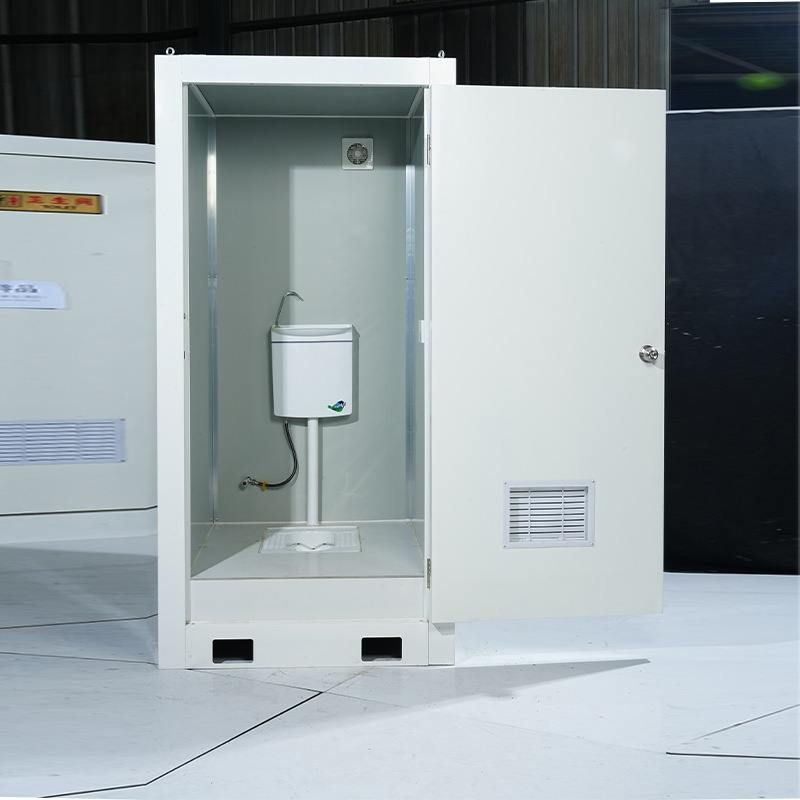
1. Limited Space and Living Experience Container houses have small interior spaces with narrow ceiling heights and aisles, resulting in low living comfort. For example, the single beds in the container dormitories at the Nagoya Asian Games were only 195 centimeters long, causing athletes around two meters tall to have their feet hanging in the air when lying down. The rooms had poor sound insulation and were equipped with only one air conditioner, requiring doors to be opened for ventilation before closing them for sleep. Additionally, container houses have poor ventilation and lighting conditions, making them prone to odors due to environmental pollution, which can affect health over long-term residence.
2. Prominent Safety Hazards Container houses pose high fire safety risks. Some containers use flammable materials such as polystyrene and polyurethane foam as sandwich layers. Once ignited, they burn rapidly with high toxicity, making firefighting difficult. For instance, in 2025, a container shack in Linping District, Hangzhou, caught fire due to an electrical fault, destroying almost all cash and documents inside; in 2018, a fire in a container prefabricated building in Binhai New Area, Tianjin, resulted in two deaths. Furthermore, the steel structure of containers is prone to melting at high temperatures (melting at 600°C) and is susceptible to rust when exposed to the external environment for extended periods, requiring regular anti-rust maintenance.
3. Poor Environmental Adaptability The thermal insulation and heat retention performance of container houses are significantly affected by the materials used. The insulation effects of low-end products cannot be guaranteed, necessitating the selection of higher-quality products (usually twice the price of low-end ones). Under extreme weather conditions, such as heavy rain or high temperatures, container houses may experience issues like water leakage and stuffiness. For example, during the Nagoya Asian Games, some container camps faced emergencies due to heavy rain, requiring the evacuation of hundreds of athletes.
4. High Long-Term Usage Costs Although container houses have low initial construction costs, long-term usage requires consideration of land leasing, maintenance, and renovation expenses. For example, container houses need regular inspection of the waterproofing at joints to prevent leakage; interior renovations require the use of fire-resistant and moisture-proof materials, increasing costs. Additionally, if multiple containers are joined together, land leasing issues need to be resolved, further driving up total costs.



