
Disadvantages of Container House Renovation
The disadvantages of container house renovation mainly include poor thermal insulation performance, inadequate sound insulation, fire safety hazards, limited space, and potential legality issues.
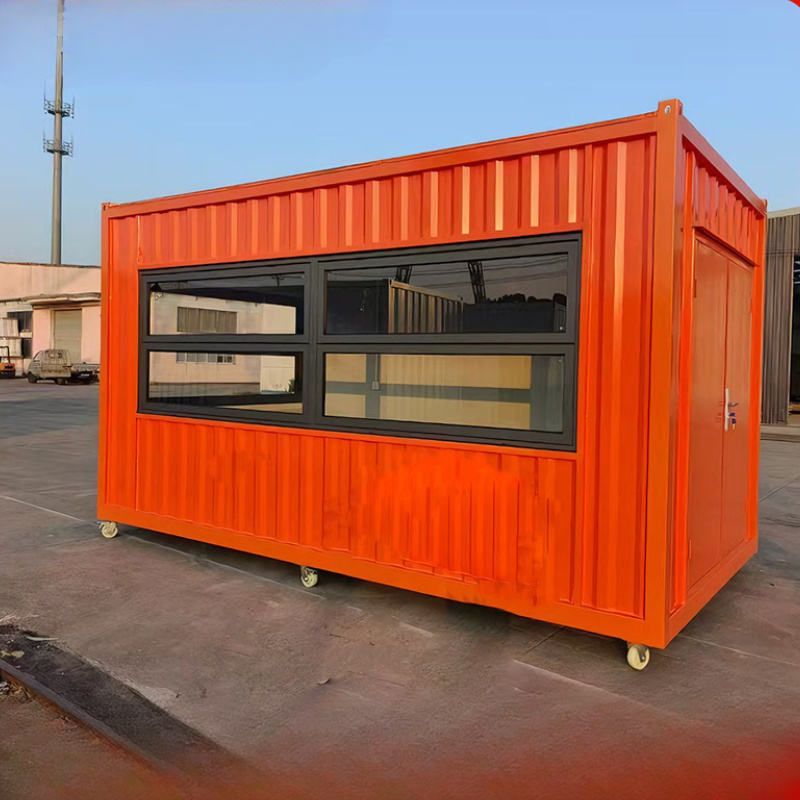
Poor Thermal Insulation Performance:
The thermal insulation performance of container houses is significantly affected by the quality of materials used. Low-end products (ranging from 5000 to 8000 yuan) often fail to provide adequate thermal insulation due to cost constraints, leading to excessively high or low indoor temperatures in extreme climates. Even when opting for higher-quality products (typically priced at around twice that of low-end ones), further optimization through the installation of additional thermal insulation materials is necessary, increasing renovation costs and complexity.Inadequate Sound Insulation:
The metallic nature of containers results in poor sound insulation, allowing external noise (such as traffic or construction sounds) to easily penetrate the interior, while internal activities may also disturb the surrounding environment. To improve sound insulation, additional measures such as the use of soundproof cotton or double-layer walls are required, further increasing costs.Fire Safety Hazards:
The steel structure of container houses exhibits poor fire resistance, potentially deforming and collapsing when exposed to temperatures of 500℃ in a fire. Ordinary container houses may lose their load-bearing capacity within about 10 minutes after a fire breaks out. Additionally, some low-priced products use flammable materials such as polyurethane and polystyrene for filling the panel cores, which have low ignition points and spread rapidly, further exacerbating fire risks.Limited Space:
The interior space of containers is relatively narrow, with poor ventilation and lighting conditions. Even when expanding functional areas (such as living and dining rooms or bedrooms) through splicing and combination, reliance on design optimization (such as staggered stacking and multifunctional furniture) is necessary to enhance space utilization. However, overall living comfort remains lower than that of traditional buildings.Legality and Property Rights Issues:
Some container houses may lack legal building permits and property rights certificates, particularly in urban areas, potentially facing restrictions on settlement and transactions. Additionally, long-term residence requires consideration of the difficulty in renovating infrastructure (such as electrical circuits, water supply, and drainage), as well as details such as sanitation and fixed furniture, making the process complex and resource-intensive.



