Dingxi Automatic Mobile Toilet
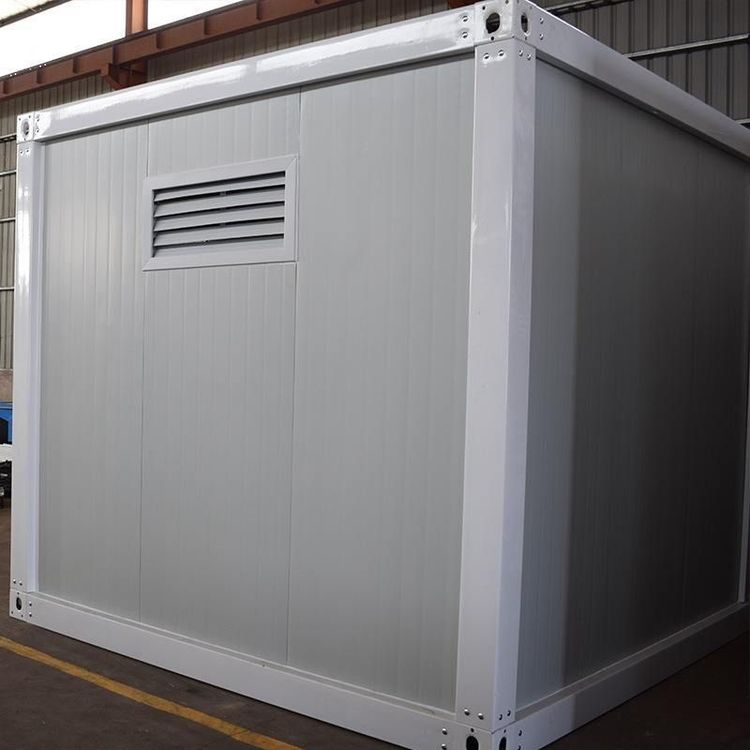
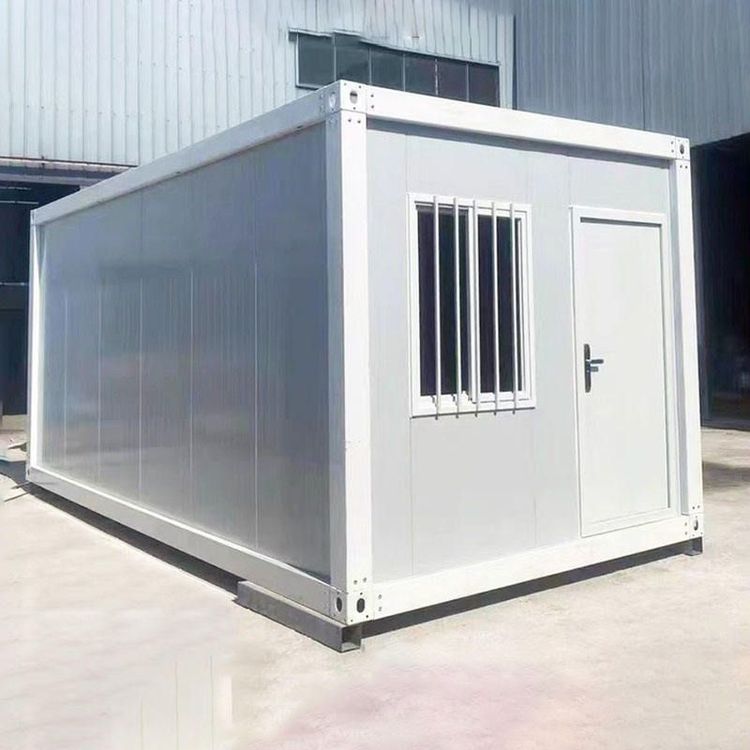
The Dingxi automatic mobile toilet is an efficient sanitation facility that integrates modular design and automation systems, featuring rapid assembly, intelligent operation, and remote maintenance. It is suitable for public places with high hygiene standards.

Modular Design and Rapid Deployment
The Dingxi automatic mobile toilet adopts a modular structure composed of independent modules such as frames, walls, and sanitary fixtures. These modules can be prefabricated in factories and quickly assembled on-site, significantly reducing construction time and minimizing disruption to the surrounding environment. Its design is highly flexible, allowing for adjustments in scale or functional configuration based on site requirements, such as adding barrier-free facilities or nursing rooms to meet diverse needs.
Automation Systems and Intelligent Control
Core functions are realized through automation systems, with common configurations including:
- Automatic flushing devices: These detect usage status via sensors and trigger the flushing process to avoid water waste.
- Sensor-activated faucets: Utilizing human infrared sensing technology, they require no manual contact, reducing the risk of cross-infection.
- Intelligent lighting and ventilation: These automatically adjust light brightness based on ambient light or occupant activity and coordinate with ventilation equipment to maintain fresh air.
A sensor network collects real-time data (such as gas concentration and water-electricity consumption) and transmits it wirelessly to a management platform for remote monitoring and fault alerts.
Eco-Friendly Treatment and Resource Recycling
Some products are equipped with independent treatment units to address traditional toilet sewage issues:
- Small-scale sewage treatment systems: These biologically or chemically treat wastewater to meet discharge standards or enable reuse.
- Packaged collection devices: These encapsulate waste in biodegradable materials for regular removal, reducing odor dispersion.
- Water-saving technologies: Techniques like vacuum suction or foam sealing reduce water consumption per use by over 60% compared to traditional toilets.
Data-Driven Operation and Maintenance Management
Through a unified management platform, hardware status, usage frequency, and environmental parameters are integrated to form a data feedback loop. For example, cleaning cycles can be predicted based on foot traffic, or deodorization equipment can be activated in advance through gas concentration monitoring. This approach enhances facility availability, extends equipment lifespan, and provides scientific evidence for optimizing future layouts.
Application Scenarios and Limitations
It is suitable for tourist attractions, transportation hubs, temporary events, and other places with stable foot traffic and high hygiene requirements. However, note the following:
- Infrastructure dependence: Stable power supply and communication networks are required to support intelligent functions.
- High initial cost: Modular materials and automation equipment result in higher construction costs than ordinary mobile toilets.
- Maintenance expertise: Regular sensor calibration and software updates are needed, requiring technical proficiency from maintenance personnel.
The market offers a variety of product types, including microbial treatment and waterless flushing models, which can be customized for arid regions or cold environments, further expanding their application scope.