Deyang Container House Processing
Deyang container house processing involves multiple aspects such as material selection, design customization, production installation, and after-sales service, requiring comprehensive consideration of enterprise qualifications, technical capabilities, and regional adaptability.
I. Material Selection and Product Types
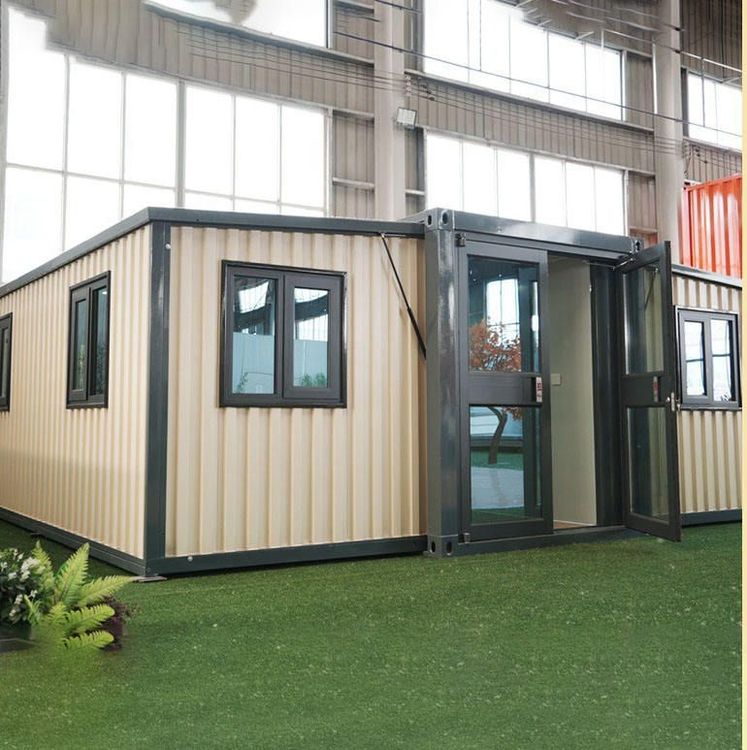
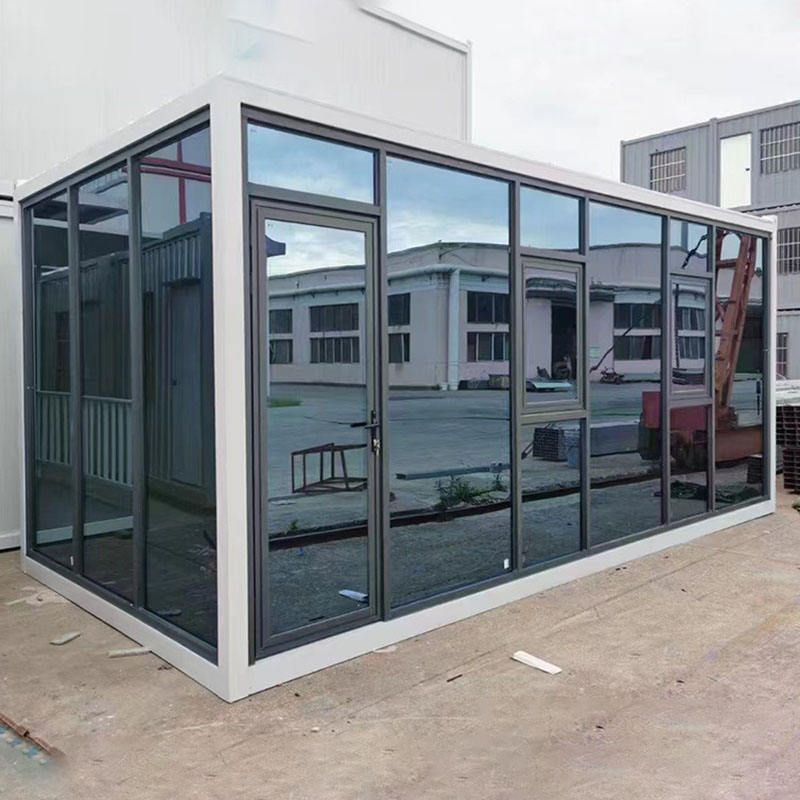
Deyang container house processing primarily uses aluminum alloy and steel structures. Aluminum alloy container houses offer advantages such as light weight, corrosion resistance, good elasticity, and low processing costs, but they are more expensive and have poor welding performance, making them suitable for scenarios with high aesthetic and durability requirements. Steel structure container houses, on the other hand, are characterized by high strength and controllable costs, widely used in construction site temporary buildings and temporary office spaces. Additionally, some enterprises provide color-steel temporary building manufacturing services, enabling rapid installation through modular design to meet urgent housing needs.
II. Design Customization and Functional Adaptation
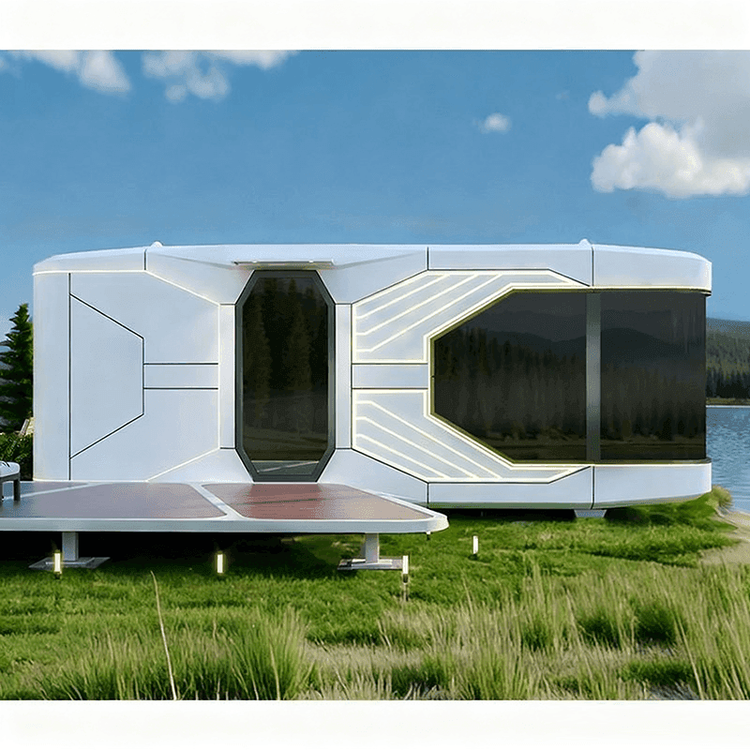
Local enterprises in Deyang support personalized indoor layouts and equipment configurations. For example, integrated houses can integrate multiple systems such as insulation, power supply, water supply and drainage, and intelligent monitoring, forming the concept of 'high-end integrated houses.' In response to the humid and hot summers and dry and cold winters in the northern Sichuan region, products undergo special optimizations in terms of wind resistance, waterproofing, and insulation layer thickness (e.g., cold chain container insulation layers reaching 80-120mm). Some enterprises also offer foldable containers, which, when folded, are only 48 centimeters high, reducing transportation costs by 4-5 times, suitable for homestay clusters or temporary commercial streets with tight schedules.
III. Production Installation and Qualification Requirements
Qualified suppliers need to possess full-chain capabilities from drawing refinement to production manufacturing and on-site installation. For example, Sichuan KuaiZhu Integrated Housing holds over 30 utility model patents and 3 invention patents, passing international three major management system certifications, with its products applied in projects such as Wuhan Huoshenshan and Leishenshan Hospitals and the Qatar World Cup. Enterprise production qualifications, patent quantities, and implementation cases are key indicators for assessing reliability, avoiding suppliers that only act as intermediaries or pure assemblers to reduce safety hazards caused by extreme weather or foundation settlement.
IV. Regional Services and After-sales Guarantees
Local enterprises in Deyang provide services radiating to surrounding cities such as Chengdu, Mianyang, and Nanchong, with some enterprises offering customization services for special equipment such as cold chain containers and mobile toilets. In response to after-sales pain points, attention should be paid to enterprise response speeds, especially in terms of repair capabilities for refrigeration systems or sewage systems. For example, cold chain containers need to meet industry standards such as a K-value ≤ 0.4W/(m²·K) and an airtightness leakage rate below 1.5%/min, while mobile toilets need to comply with the 'Urban Public Toilet Design Standards' in terms of freeze resistance and sewage discharge requirements.