Design of Mobile Toilets on Ships
The design of mobile toilets on ships typically adopts a modular and integrated approach to adapt to the special environment of ships. Common types include marine sanitary units and marine container-type toilet modules.

Marine sanitary units are a typical example of integrated design. They integrate washing, bathing, and toilet functions into one unit, composed of a chassis, wall panels, ceiling, doors, marine hardware, sanitary ware, lighting, and water and electricity systems. This overall modular design offers significant advantages, with a simple installation process and short construction period, effectively shortening the shipbuilding cycle. In terms of space utilization, it incorporates movable basins and other flexible components, along with an easily assembled structural form, further enhancing space efficiency. Additionally, microbial degradation sanitary units are an innovative type of marine sanitary unit. They decompose sewage through microbial communities, converting it into harmless residues, achieving closed-loop management of onboard treatment and shore-based residue collection, which is both environmentally friendly and efficient.
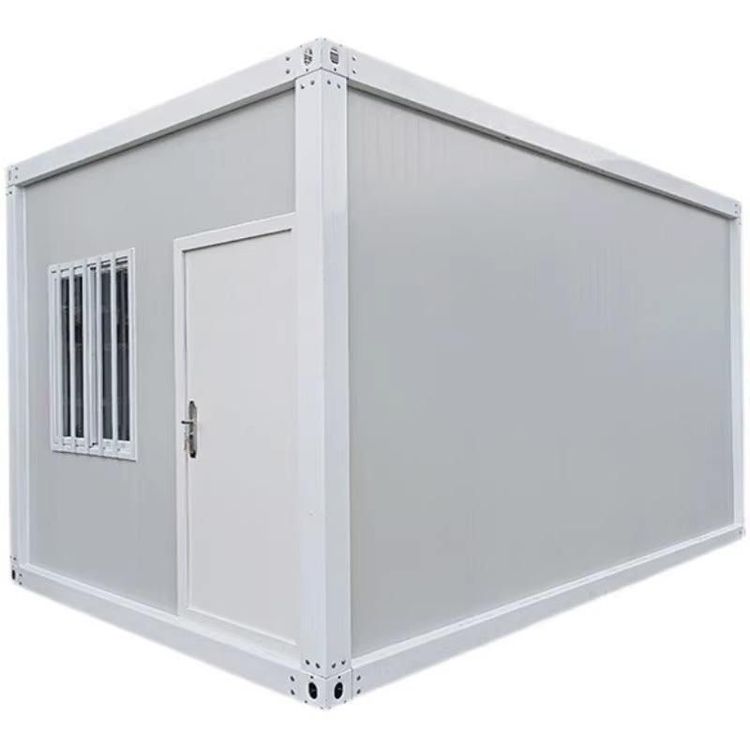
Marine container-type toilet modules combine the robustness of containers with the functionality of toilets. They are particularly suitable for scenarios with high requirements for equipment durability and functionality, such as ocean-going vessels and offshore platforms. These modules possess anti-corrosion, moisture-proof, and earthquake-resistant properties, enabling them to adapt to harsh marine environmental conditions and ensure long-term stable operation of the equipment. In terms of sewage systems, they are equipped with vacuum collection or biodegradation technologies that comply with the environmental standards of the International Maritime Organization (IMO), effectively reducing marine pollution from ships. Internally, they are compactly and reasonably laid out, typically including basic facilities such as squatting positions, urinals, washbasins, and storage areas, meeting the basic living needs of onboard personnel.
These two design types have their own characteristics. Marine sanitary units focus more on integration and space utilization, suitable for ships with high space requirements; while marine container-type toilet modules emphasize robustness and environmental protection, suitable for harsh environments such as ocean-going vessels and offshore platforms. In practical applications, the appropriate design type can be selected based on the specific needs and operating environment of the ship.