
Dean Places a Mobile Toilet
Whether placing a mobile toilet in one's own courtyard is compliant needs to be judged based on specific circumstances and cannot be generalized.
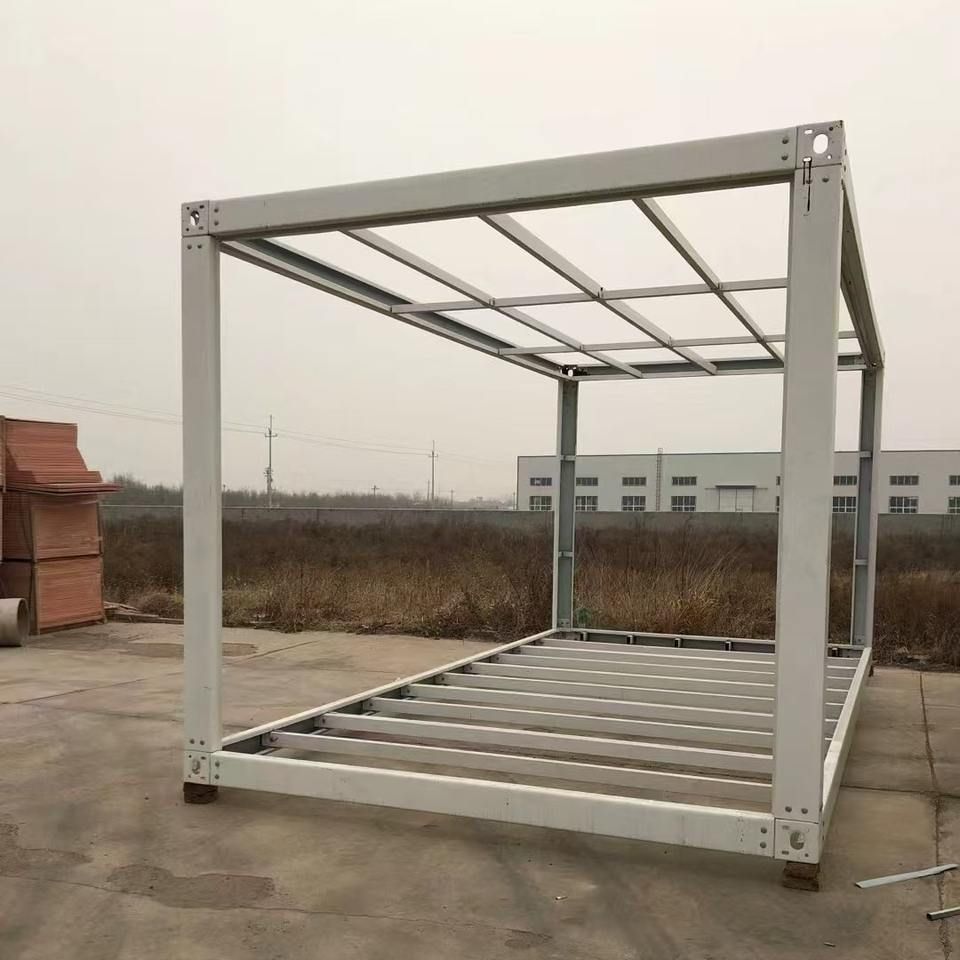
Firstly, from the perspective of land use planning, according to the Land Administration Law of the People's Republic of China, rural villagers constructing residential buildings should comply with the overall land use plans of townships (towns) and village plans, and should make use of existing homesteads and idle land within the village as much as possible. If the mobile toilet is placed within the boundaries of one's own homestead and complies with the local overall land use plan and village plan, then in this case, it may not be considered an illegal structure. This is because its placement does not violate the basic principles and planning requirements of land use and is carried out within the scope of legal land use.
Secondly, legal approval is also a crucial factor. The construction of any building, including the placement of a mobile toilet, if it is placed in a fixed position and used as part of a residence, should go through the formalities of reporting for construction and obtain approval from relevant departments in accordance with the law. If a mobile toilet is placed without approval, even if it may not have a significant impact on land use planning, this act may still constitute an illegal structure. This is because legal approval is an important link in ensuring the legality of buildings, and unauthorized buildings may pose safety hazards and affect the overall planning of cities or villages.
Finally, it is also necessary to consider the rights and interests of others. When placing a mobile toilet, full consideration should be given to whether it will affect the legitimate rights and interests of others, such as adjacent relationships, drainage, and passage. If the placement of the mobile toilet infringes upon the legitimate rights and interests of others, even if it does not constitute an illegal structure, the placer may still face other legal liabilities, such as civil compensation.


