Back to blog
Article
Dazu Container Module House
Admin September 15, 2026
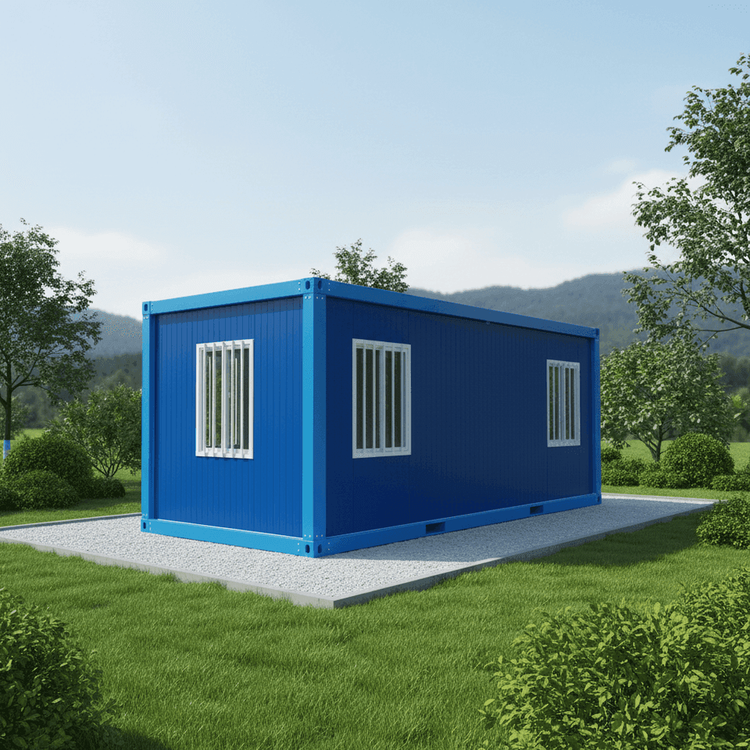
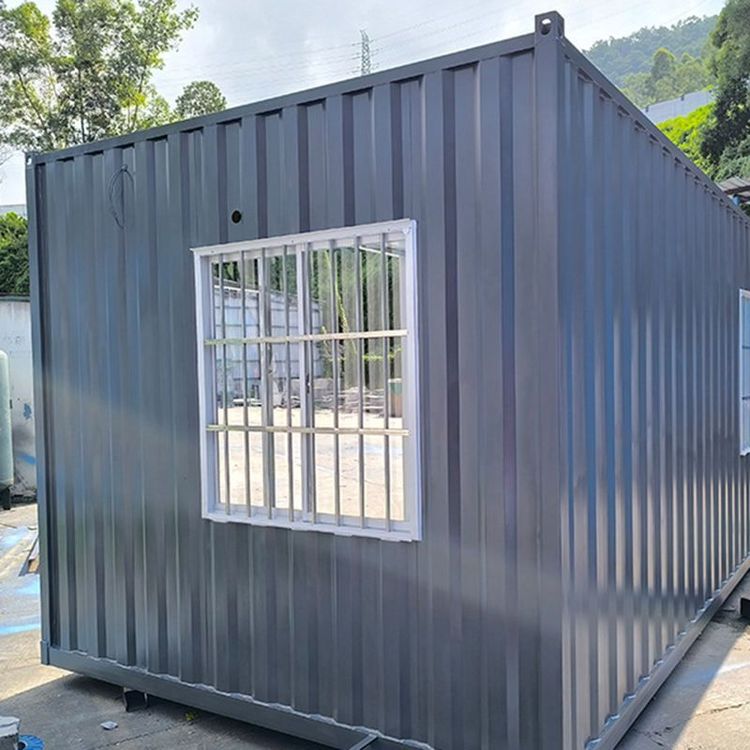
Dazu container module houses are a form of construction that is prefabricated in factories and rapidly assembled on-site. They feature standardized design, industrial production, and modular construction, and are widely used in temporary housing, cultural tourism homestays, commercial facilities, and other fields.

I. Core Characteristics
- Standardized Design: House modules are designed to uniform standards in factories, with highly consistent dimensions, interfaces, and structural parameters, facilitating large-scale production and rapid assembly. For example, standard container houses measure 6 meters in length and 3 meters in width, and can be extended to larger spaces such as 40-foot and 60-foot units through splicing.
- Industrial Production: The main structure, interior decoration, and equipment pipelines (such as plumbing, sanitation, and cabinets) are all completed on factory assembly lines. Welding and assembly processes are carried out collaboratively by robots, ensuring manufacturing precision within 1-2 millimeters and significantly higher production capacity compared to traditional construction sites.
- Modular Construction: After being transported to the site, modules are quickly assembled like "building blocks," with multiple processes carried out simultaneously. This approach can shorten the construction period by more than 50% and reduce construction waste emissions by approximately 90%.
II. Advantages and Value
- Green and Environmentally Friendly: These houses support multiple disassemblies and reuses, with leading compliant products averaging more than 8 disassembly cycles. This high resource utilization rate aligns with circular economy policies.
- Flexible Adaptation: Through modular splicing, facade customization, and interior functional modifications, they can meet the diverse needs of engineering camps, mobile commerce, cultural tourism accommodations, emergency support, and other scenarios.
- Economical and Efficient: They have low life-cycle costs and controllable operation and maintenance costs. Additionally, factory prefabrication reduces on-site labor and material waste, significantly improving overall cost-effectiveness.
III. Application Scenarios
- Temporary Housing: Such as post-disaster reconstruction and construction site dormitories, enabling rapid deployment and relocatable reuse.
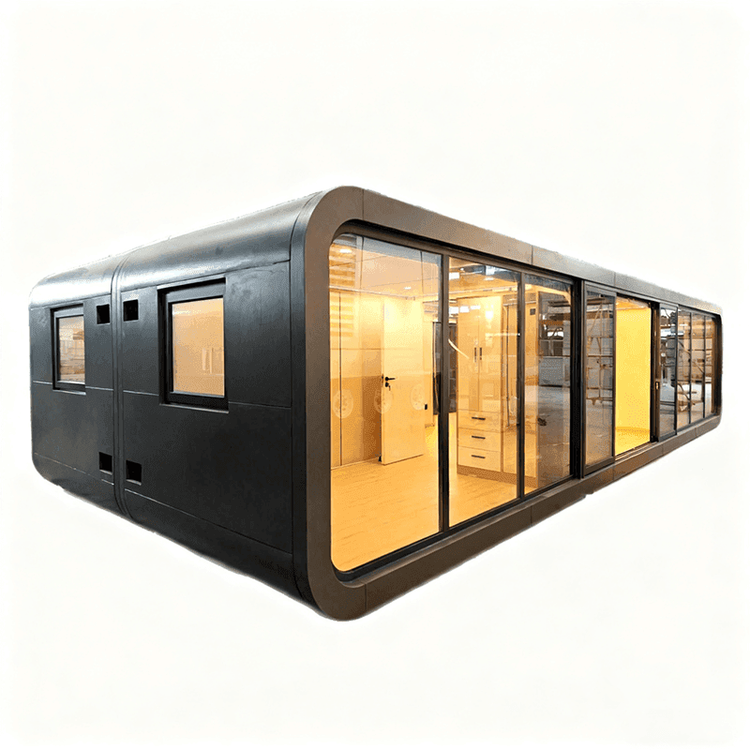
- Cultural Tourism Homestays: Internet-famous container homestays, campground houses, etc., incorporating designs like glass curtain walls and starry skies to enhance the experience.
- Commercial Facilities: Mobile shops, pop-up stores, etc., supporting rapid opening and scenario conversion.
- Overseas Projects: Cross-border export-compliant products that meet international market demands for low-carbon, circular construction.
IV. Industry Trends
Currently, the container module house industry is moving towards refined, low-carbon, and compliant development. Low-carbon circular life cycles are becoming mainstream, cross-scenario versatility continues to expand, and products are gradually replacing traditional low-end container houses, with broad market prospects.