
Analysis of Mobile Portable Toilet Functions
Mobile portable toilets (mobile toilets) are equipped with basic sanitation, emergency use, convenient mobility, environmental protection maintenance, and some intelligent epidemic prevention functions, suitable for various temporary scenarios.
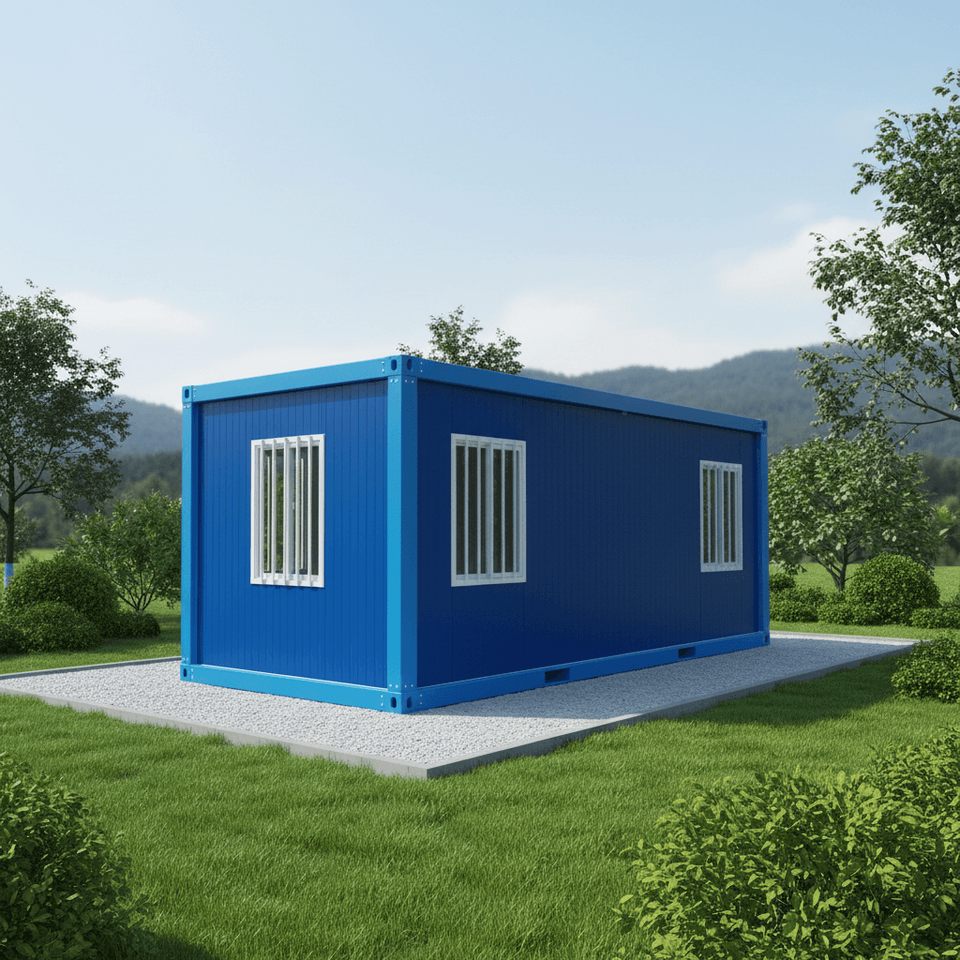
1. Basic Sanitation Functions
The core function of a mobile portable toilet is to provide a basic space for using the restroom. It is typically equipped with internal infrastructure such as a toilet (or squat toilet), sink, and toilet paper, meeting users' daily excretion and cleaning needs. Some high-end models also feature a flushing system, which achieves rapid cleaning through a water tank or pressure device, effectively reducing odor residue and maintaining internal hygiene. Additionally, the inclusion of a sink further enhances convenience, especially in scenarios with high sanitation requirements.
2. Emergency Use Design
For temporary use scenarios, mobile toilets usually adopt waterproof and odor-proof sealing designs. The outer shell is often made of high-strength plastic or metal, paired with sealing strips to ensure normal use in rainy or humid environments, preventing rainwater infiltration or odor diffusion. Some products are also equipped with emergency lighting systems (such as LED lights) and ventilation devices (such as exhaust fans). The former ensures safety during nighttime use, while the latter maintains fresh internal air through forced ventilation, particularly suitable for enclosed spaces without natural ventilation.
3. Convenient Mobility Characteristics
Modular design is a core advantage of mobile toilets. Their main structures can be disassembled into multiple independent units, transported to designated locations by trucks or trailers, and then simply assembled for use, with installation periods typically not exceeding a few hours. This flexibility makes them an ideal choice for temporary events (such as music festivals, sports events), construction sites, exhibitions, and other scenarios, allowing for adjustments based on pedestrian flow distribution or project progress, solving the problem of high costs associated with fixed installation and relocation of traditional toilets.
4. Environmental Protection and Maintenance
Environmental performance is an important consideration for mobile toilets. Some models adopt water-saving designs, such as micro-flush technology or circulating water systems, with single flush volumes as low as 1-2 liters, significantly reducing water waste. At the same time, they are equipped with anti-leakage treatment devices at the bottom (such as double-layer septic tanks or sealed fecal storage tanks) to prevent fecal leakage from contaminating soil or groundwater. In terms of daily maintenance, cleaning personnel regularly disinfect the toilets, inspect equipment, and replace consumables (such as toilet paper and hand soap) to ensure long-term stable operation of the facilities.
5. Intelligent Epidemic Prevention Functions (High-End Models)
Intelligent environmentally friendly mobile toilets further expand the functional boundaries. Through wave-sensing technology, users can complete operations such as opening the door, changing the seat cushion, and flushing without touching the door handle, seat cushion, or flush button, effectively reducing the risk of cross-infection. This design has significant advantages during epidemics or in scenarios with high public health requirements, demonstrating the combination of technology and practicality.



