
Dazhou Villa Mobile Toilet Design
The design of mobile toilets for villas in Dazhou requires comprehensive consideration of structure, mobility methods, collection systems, materials, functionality, and spatial layout. Below are the specific design points:
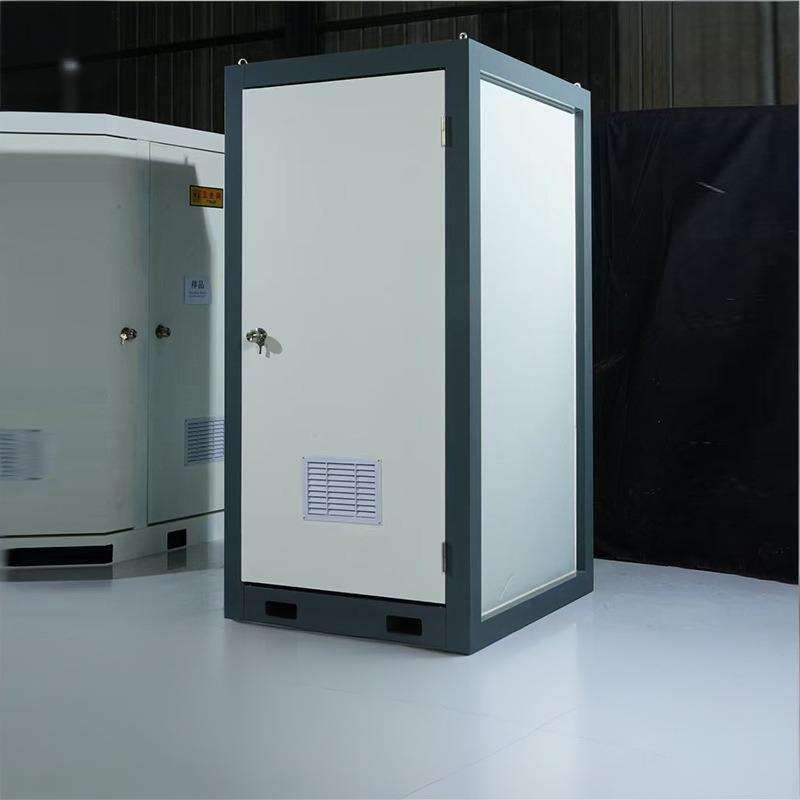
1. Structural Forms and Mobility Methods
Mobile toilets can adopt either a single-unit structure or a modular structure. Single-unit structures are suitable for independent use scenarios, while modular structures facilitate rapid assembly and disassembly as well as expansion. The mobility method should be selected based on the surrounding environment of the villa: if the site is open and unrestricted by transportation, hoisting or handling types are recommended for their high flexibility; if frequent movement or proximity to roads is required, bus or trailer types are more convenient, enabling rapid deployment through vehicle traction.
2. Excreta Collection Systems
Depending on the usage needs and environmental requirements of the villa, the following options are available:
- Waterless Manual Packing Type: No need for water supply or drainage, suitable for water-scarce or temporary use scenarios, but requires regular cleaning of packing bags;
- Traditional Water-Flush Direct Discharge Type: Relies on the municipal drainage system, requiring reserved sewage pipes, suitable for long-term fixed use;
- High-Pressure Soda Water Flush/Foam Sealing Type: Significant water-saving effect (can reduce water consumption by 60%), suitable for villas sensitive to water usage;
- Vacuum Self-Priming Water Flush Type: Quickly sucks excreta through negative pressure, with excellent odor control, but higher cost.
3. Material Selection and Durability
- Frame Structure: Uses national standard channel steel or hot-dip galvanized steel pipes, with wind resistance of level 10 and earthquake resistance of level 8, ensuring a service life of over 20 years and structural stability;
- Exterior Wall Materials: Recommended are imported metal carved composite insulation panels or camphor pine anti-corrosion wood, balancing insulation and aesthetics;
- Interior Wall Materials: Integrated decorative wall panels or aluminum-plastic panels are easy to clean, with glazed tiles on walls offering better moisture resistance;
- Floor Materials: Anti-slip tiles or 304 stainless steel checkered plates are anti-slip and wear-resistant, suitable for high-frequency use.
4. Functional Configuration and Intelligence
- Standard Configuration: Must include adult/child toilets, washbasins, baby changing tables, safety grab bars, etc., to meet diverse needs;
- Special Requirements: If the villa is located in a low-temperature area in winter, pipes need to be heated and insulated to prevent freezing and cracking;
- Intelligent Upgrades: Sensor-activated flushing devices can reduce water consumption, while top exhaust fans and bottom air inlets create air convection to reduce odors; LED occupancy displays and emergency alarm systems enhance safety.
5. Spatial Layout Optimization
- Single Unit Size: The standard single toilet unit is recommended to be 1.2 meters long and 1.4 meters wide, balancing comfort and land utilization;
- Centralized Handwashing Area: Can save on pipe costs, but sufficient space must be reserved to avoid queues during peak hours;
- Septic Tank Location: Should be close to the main road for easy access by pumping trucks, minimizing impact on the villa environment;
- Nighttime Signage: Reflective signs should be installed at a height of 1.2-1.5 meters to ensure visibility at night.
6. Customized Services
Mobile toilets are customized products that can be adjusted in terms of exterior materials, color schemes, and functional modules according to the villa's style (such as European or Chinese) or local climate characteristics, achieving personalized design.



