Dayi Mobile Toilet Project
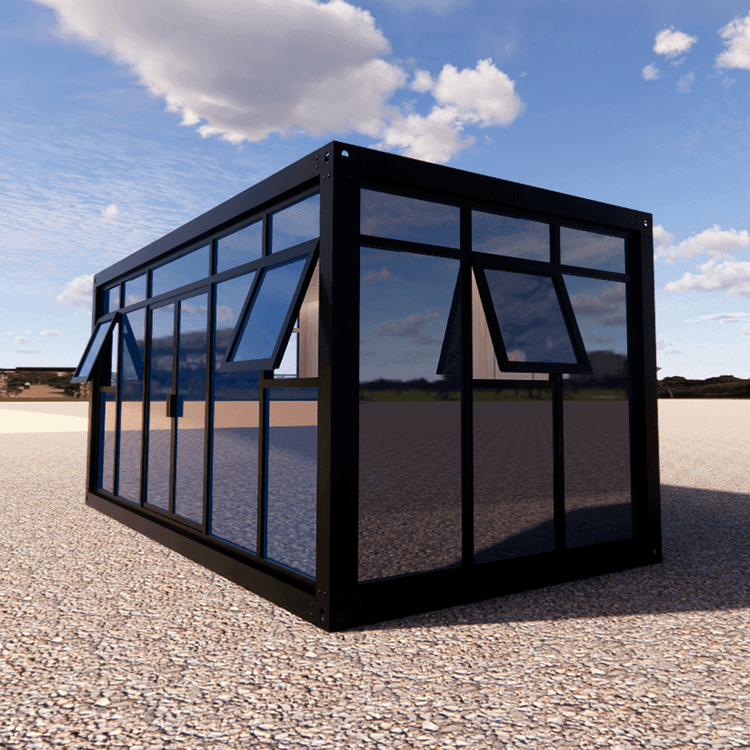
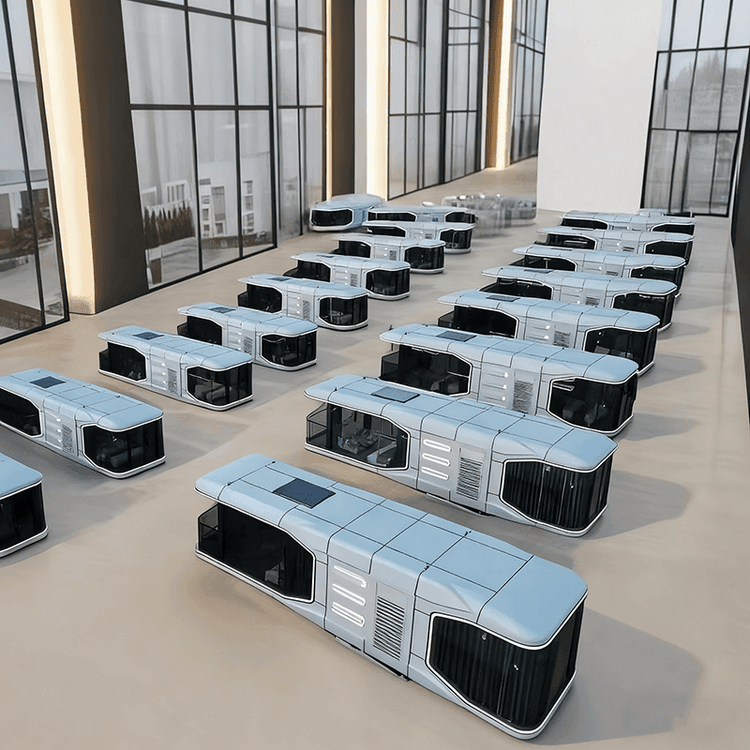
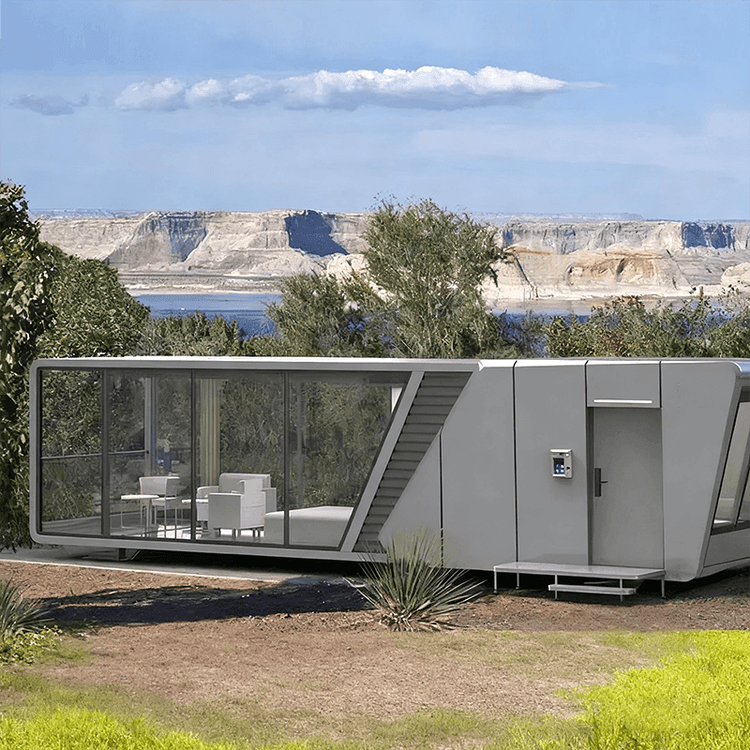
The procurement project for mobile smart public toilets in Dayi County was awarded to Zhongyunhui (Chengdu) Technology Group Co., Ltd., with a winning bid amount of 785,000 yuan. The project aims to enhance public toilet service levels through technological empowerment.

I. Project Basic Information
The project number is n5101292025000187, and the procurement item is "mobile smart public toilets," categorized under municipal public utility facilities housing. The brand is Zhongyunhui, with a custom specification and model, a quantity of one item, and a unit price of 785,000 yuan. The supplier's address is Room 305, 3rd Floor, No. 53 Shuangfeng Road, Wuhou District, Chengdu City, with a total evaluation score of 92.83 points, indicating high recognition of its technical solutions and service quality.
II. Project Background and Objectives
In recent years, Dayi County has continuously promoted the upgrading and renovation of public toilets, focusing on three aspects: "optimizing layout, strengthening management, and enhancing technology":
- Facility Optimization: Five fixed public toilets and three mobile toilets have been newly built, and 14 old public toilets have been renovated. Barrier-free facilities and maternal and child care stations have been added, and the ratio of male to female toilet stalls has been optimized to improve usability.
- Management Upgrade: A "one toilet, one file" management system has been implemented for 62 sanitation public toilets, adhering to the "four clean, three free, two connected, one bright" standard (clean floors, walls, toilet stalls, and surroundings; no overflow, mosquitoes and flies, or odors; connected water and electricity; bright lights). Dedicated personnel have been assigned to specific posts and responsibilities, with over 40,000 deep cleanings completed and more than 100 facility optimizations since 2026.
- Technological Empowerment: Three 5G smart easy rest stations have been introduced, enabling real-time monitoring of usage frequency and energy consumption through digital monitoring systems for precise scheduling. Microbial degradation technology is used to decompose fecal matter without water flushing, eliminating odors and pollution, and converting excreta into organic fertilizer for resource recycling.
III. Project Achievements and Demonstration Significance
As of now, the smart public toilets have served a cumulative total of 800,000 people, saving 4,625 cubic meters of water and reducing carbon emissions by 227 tons, forming a replicable and promotable low-carbon and environmentally friendly model. Its successful experience provides a reference for other regions, especially in densely populated areas or temporary event scenarios, where mobile smart public toilets can be rapidly deployed and efficiently operated and maintained, balancing functionality and environmental protection, and contributing to the refined and intelligent development of urban public services.