Datong Traction Mobile Toilet
The Datong traction mobile toilet is a mobile sanitation facility produced by Dalian Fuhua Hengrun Industrial Co., Ltd., featuring multiple technical characteristics and suitable for various scenarios.

Product Types and Structures
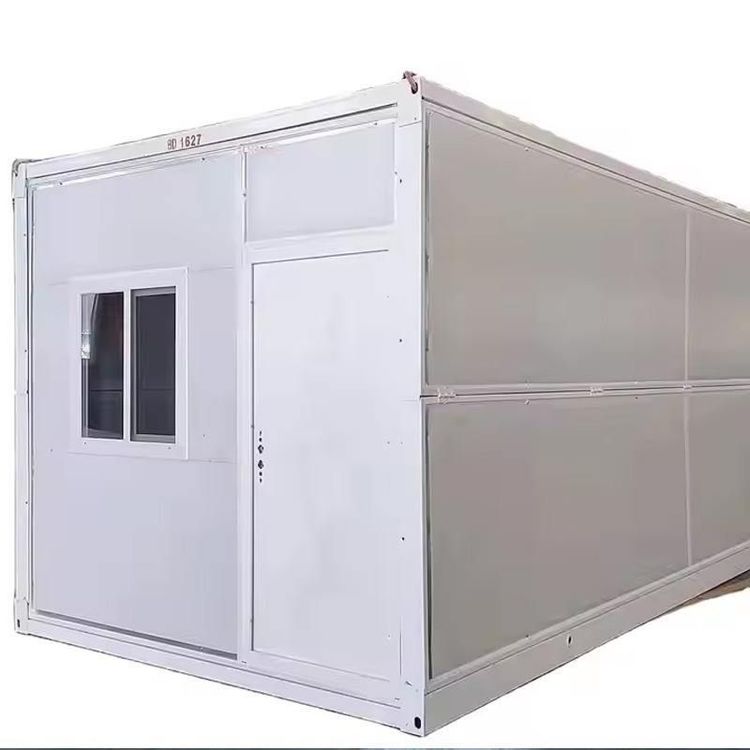
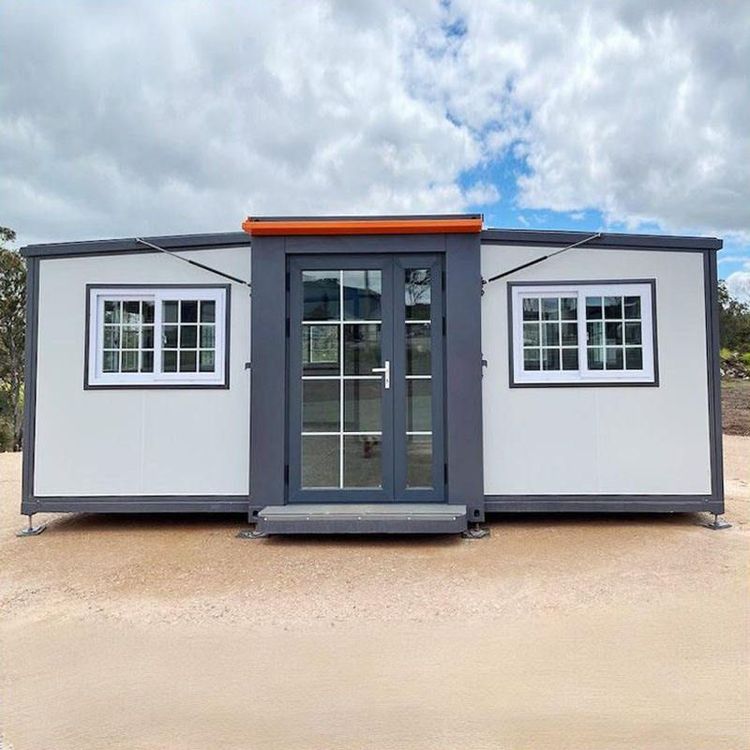
The trailer-mounted mobile toilets available for rent in the Datong area come in two types: simple and composite. The simple type only has basic toilet functions and is suitable for short-term, low-frequency use scenarios; the composite type expands with a hand-washing area or ventilation system, enhancing user comfort and suitable for occasions with higher hygiene requirements. Its main structure consists of a steel chassis and a fiberglass or metal box body. The steel chassis provides stable support, while the fiberglass/metal box body offers corrosion resistance and thermal insulation, enabling long-term use under different climatic conditions.
Technical Characteristics and Treatment Systems
The core technology of traction mobile toilets lies in the treatment system and water supply and sewage design. The treatment system employs biodegradation (microbial decomposition) or chemical treatment (disinfectant) techniques, with some facilities equipped with solid-liquid separation devices to effectively reduce odors and minimize environmental pollution risks. The water supply system offers two modes: pressurized water supply (relying on water pumps or pressure tanks) and gravity-fed water supply (gravity delivery), allowing flexible selection based on site conditions. The sewage system must consider waste liquid storage capacity and standardized discharge interfaces to ensure compatibility with municipal sewage networks or dedicated collection equipment, preventing secondary pollution.
Rental Services and Suitable Scenarios
Datong's mobile toilet rental services cover temporary or highly mobile scenarios such as construction sites, music festivals, and concerts, offering comprehensive packages that include transportation, installation, and maintenance, significantly reducing management costs for users. Suitable scenarios require a comprehensive assessment of site accessibility (e.g., road width, slope), infrastructure support (water and electricity supply), user numbers and duration matching (avoiding resource waste or shortage), and climatic conditions (e.g., the impact of extreme temperatures on equipment operation). For example, in winter, a composite toilet with thermal insulation should be selected, while in summer, priority should be given to configuring a ventilation system to improve the user experience.