Container Houses in Da'an District
Currently, no detailed introduction specifically targeting container houses in Da'an District has been found, but a general科普 (popular science) explanation based on the common characteristics of container houses can be provided.

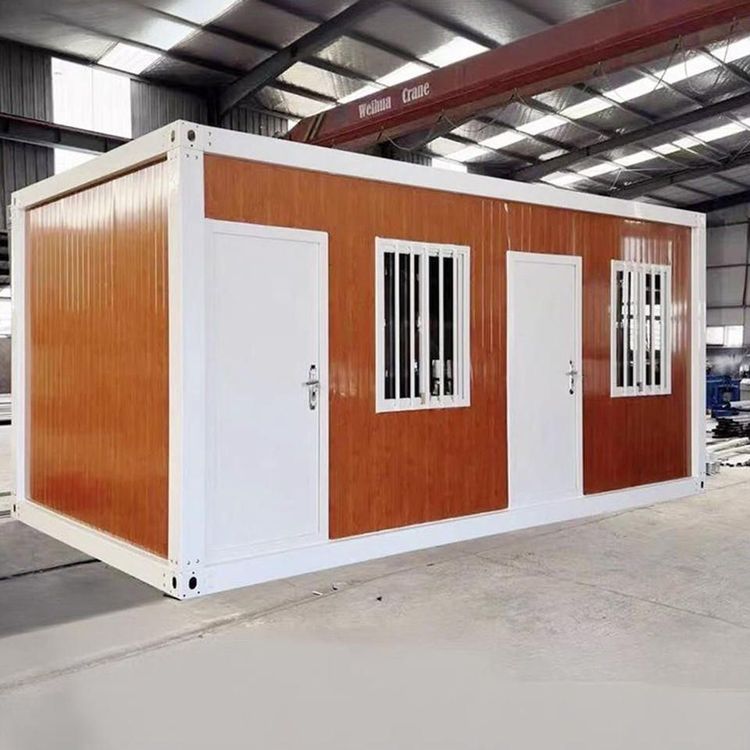
Container houses are architectural forms that use standard containers as basic structural modules. Through structural reinforcement, interior decoration, and functional modifications, they can be used for living or office purposes. Their core features include:
1. Structural and Material Characteristics Container houses use discarded or newly manufactured shipping containers as skeletons, with the main body made of high-strength steel. They have advantages such as wind resistance, earthquake resistance, and corrosion resistance, with a service life of over 20 years. The modular design allows for rapid space expansion through stacking and splicing, adapting to different scenario requirements. For example, the container homestay scenic area in Shanting District, Zaozhuang, Shandong, creates a functional and visually appealing architectural complex through multi-level stacking and staggered layouts.
2. Application Scenarios and Advantages
- Temporary Needs: Commonly seen in construction sites, post-disaster reconstruction, and other scenarios, they can quickly meet personnel accommodation needs due to their short construction period (usually 1-2 weeks) and strong mobility.
- Low Cost and Environmental Protection: Compared to traditional buildings, container houses have a high material recycling rate (about 85%) and reduce the use of concrete, bricks, and other materials during construction, lowering carbon emissions. Some cases achieve an energy self-sufficiency rate of over 60% by combining photovoltaic thermal panels with underfloor heating systems, further reducing operational costs.
- Creative Space Development: Through exterior painting and interior soft decoration design, container houses can be transformed into personalized spaces such as cafes and art studios. For example, the Zaozhuang project in Shandong converts containers into high-end homestays by introducing intelligent temperature control systems and panoramic glass windows, with daily rental rates per room reaching 500-800 yuan, demonstrating their commercial value.
3. Technological Optimization Directions Current research focuses on improving living comfort and sustainability:
- Thermal Insulation Performance: Using polyurethane foam interlayers or vacuum insulation panels to control indoor temperature fluctuations within ±3°C, adapting to extreme climates.
- Intelligent Management: Integrating IoT sensors to monitor temperature, humidity, and energy consumption data in real-time, and remotely controlling lighting, air conditioning, and other devices through an app to reduce manual management costs.
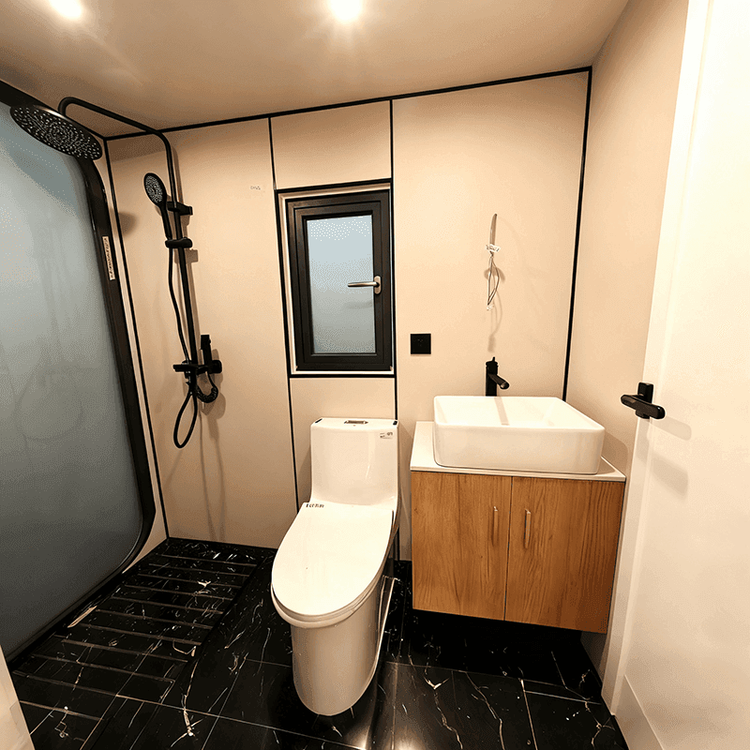
- Modular Expansion: Developing detachable independent modules such as bathrooms and kitchens to support rapid replacement or upgrades, extending the building's lifecycle.
For information on specific projects in Da'an District, it is recommended to check the latest approval information through the official websites of the local housing and urban-rural development department or planning bureau, or contact container house suppliers for case materials.