Custom Mobile Toilet Door
When customizing a mobile toilet door, it is necessary to comprehensively consider materials, design processes, and functional requirements. The following are specific key points:

Material Selection
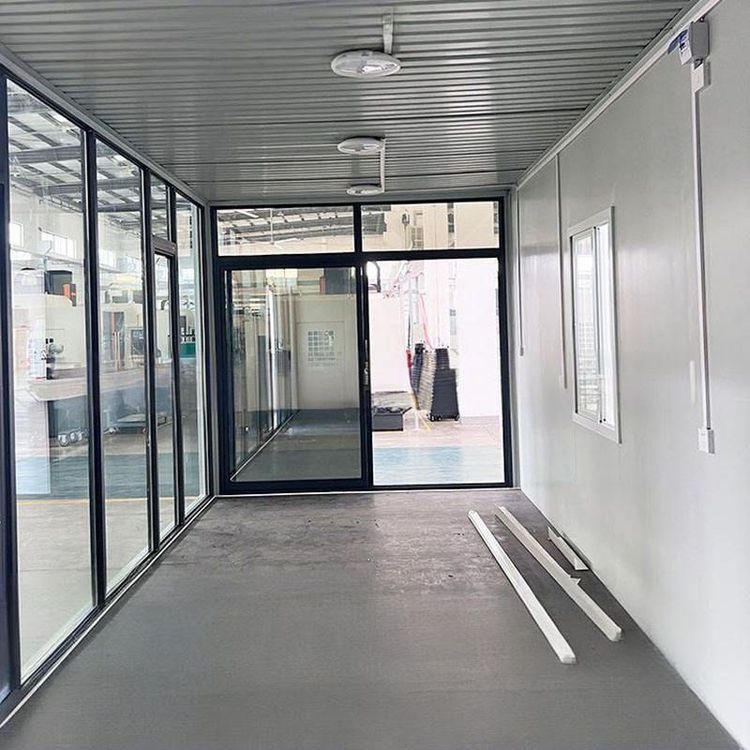
The materials for mobile toilet doors should balance safety, light transmittance, and durability. Mobile toilet companies typically use a combination of aluminum alloy profiles and insulated tempered glass:
- Aluminum Alloy Profiles: These are lightweight, corrosion-resistant, and have high strength, making them suitable for frequent handling and use in mobile scenarios. They are also easy to process into various shapes to meet customization needs.
- Insulated Tempered Glass: The double-layer glass structure enhances sound insulation and thermal insulation performance. The tempered glass is highly impact-resistant and, even if broken, forms blunt particles, reducing safety hazards. Additionally, the glass material ensures internal lighting and reduces the sense of enclosure.
Design Process
Customizing a mobile toilet door requires following a standardized process of needs communication - scheme design - factory prefabrication:
- Needs Communication: Users need to clarify the toilet's usage scenario (e.g., outdoor events, temporary construction sites), size limitations (length, width, height), door and window positions, and opening methods (swing, sliding, folding, etc.). For example, outdoor mobile toilets may require windproof design, choosing inward-opening doors to avoid external wind affecting the opening and closing.
- Scheme Design: Based on on-site conditions (e.g., ground flatness, spatial layout), the company provides 2D or 3D renderings to optimize the door and window proportions and opening paths, ensuring usability. For example, in narrow spaces, folding doors can be designed to save opening space.
- Factory Prefabrication: After confirming the scheme, the aluminum alloy frame and glass are cut, assembled, and debugged in the factory to ensure precision and sealing before being transported to the site for installation.
Functional Expansion References
Although shower sliding doors are not exclusive to mobile toilets, their design ideas can provide references:
- Diverse Door Types: Choose folding (space-saving), curved (avoiding bumps), or right-angled (simple structure) types based on space requirements. Mobile toilet doors can also be optimized by referring to these shapes.
- Wet-Dry Separation Function: If the mobile toilet includes a shower area, the waterproof sealing design of shower sliding doors can be borrowed, using moisture-resistant aluminum alloy and waterproof strips to extend service life.
By selecting materials reasonably, standardizing the design process, and optimizing functions, customized mobile toilet doors can achieve a balance of safety, practicality, and aesthetics.