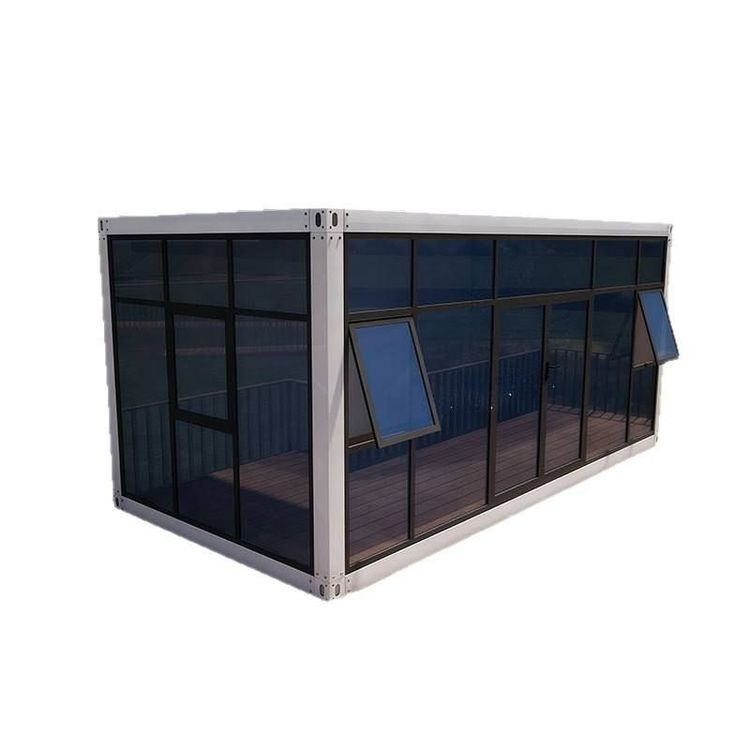
Custom Mobile Public Toilets
Custom mobile public toilets can be diversely designed according to different needs, covering aspects such as functional zoning, size specifications, facility configurations, and exterior materials.

Functional Zoning Design: Mobile public toilets can flexibly divide functional areas based on usage scenarios. For example, a custom Apple Pod mobile toilet in a scenic spot in Anhui adopts a gender-separated design, with 20 squat toilets in the men's area to meet high foot traffic demands; some mobile toilets ordered by scenic spots feature 6 squat toilets paired with a public handwashing area, balancing practicality and space utilization. Zoning design should be optimized by considering site scale and user characteristics (such as gender ratio, needs of children or disabled individuals) to ensure reasonable functionality and compliance with hygiene standards.
Size and Structural Adaptation: Customization requires adjusting dimensions based on the installation environment. A mobile smart eco-toilet customized for an urban park measures 1.15 meters in width and 2.45 meters in height, suitable for narrow spaces; larger sizes can be chosen for major scenic spots or event venues to accommodate more squat toilets or additional functional areas. Structurally, mobile toilets typically use steel-welded frames to ensure stability and earthquake resistance, while facilitating transportation and assembly.
Facility Configuration Upgrades: Modern mobile toilets can integrate intelligent and eco-friendly facilities. For instance, intelligent lighting systems automatically adjust brightness based on light levels, intelligent disinfection devices spray disinfectants at scheduled intervals, and intelligent sensor-flushing systems reduce contact contamination; some models are equipped with air conditioning and fresh air systems to enhance comfort; fecal sewage storage tanks or disposal units enable eco-friendly treatment, avoiding secondary pollution.
Exterior Material Customization: Exterior materials should balance aesthetics and durability. The front wall of the Apple Pod mobile toilet in the Anhui scenic spot uses Great Wall panels, with some areas featuring sheet metal sprayed with stone-like paint, offering both corrosion resistance and a modern look; vintage-style mobile toilets use metal-engraved panels for exterior walls, paired with steel frames, creating a historical ambiance. Material selection should consider climatic conditions (such as moisture and sun resistance) and maintenance costs to ensure long-term performance.
Adherence to Design Principles: During customization, principles such as mobility convenience (modular design for easy disassembly and assembly), cost-effectiveness and durability (selection of high-value materials), environmental friendliness (use of water-saving and energy-efficient technologies), and efficiency enhancement (optimization of spatial layout and facility configurations) should be followed to ensure products meet industry standards and user needs.