Custom Container-Style House Factory
When choosing a custom container-style house factory, it is necessary to comprehensively consider factors such as production capacity, technical processes, product performance, adaptability to application scenarios, and after-sales service.

Production Capacity and Process Level: Select manufacturers with large-scale production capabilities, such as factories equipped with long production lines, multiple workstations, and automated equipment. For example, a steel structure modular smart factory in Guangdong has an over 400-meter fully automated production line equipped with welding, assembly, and grinding robots, producing 50 modules per day. Its production capacity is ten times that of similar factories in North America, and its manufacturing precision is stable at 1-2 millimeters. A concrete MiC flexible production line in a Shenzhen industrial park produces one module every 20 minutes, with an annual delivery volume of 20,000 to 30,000 units. Over 70% of the processes are completed in the factory, shortening the construction period by more than 60% compared to traditional methods. Highly automated and precise production lines ensure product standardization and delivery efficiency.
Product Performance and Safety: Container houses must meet structural stability requirements under extreme working conditions. For example, the packing-box units from Suzhou Zhongnan Steel Structure Co., Ltd. feature a fully steel structural frame with a wind resistance rating of Level 12 and an earthquake resistance rating of Level 8, with a frame deformation rate of only 0.18%. CIMC's standard container houses have a wind resistance rating of Level 11 and an earthquake resistance rating of Level 7, with a deformation rate of 0.27%. It is advisable to prioritize products that have passed third-party testing and certification, avoiding non-standard white-label products, which generally have a frame deformation rate exceeding 1.2%, posing safety risks and incurring high rework costs.
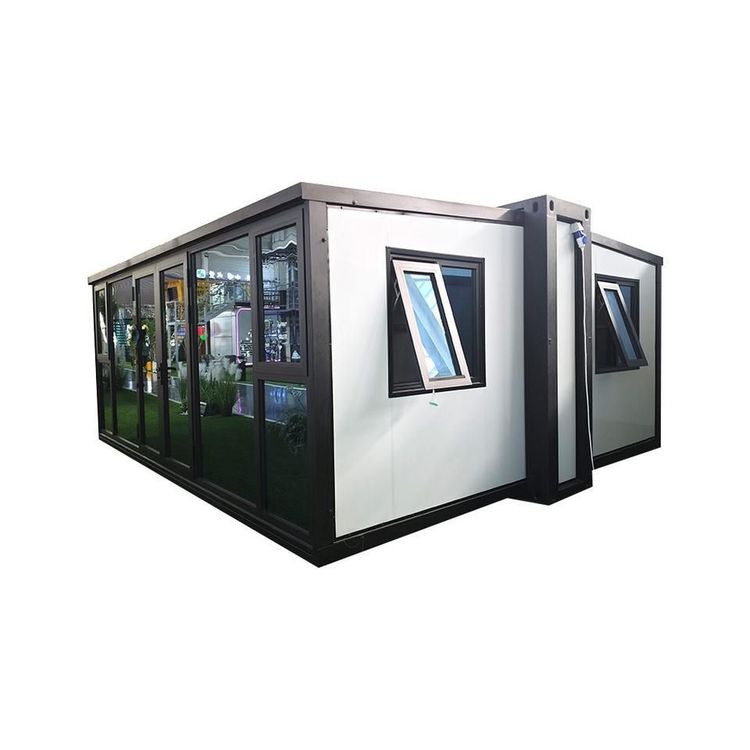
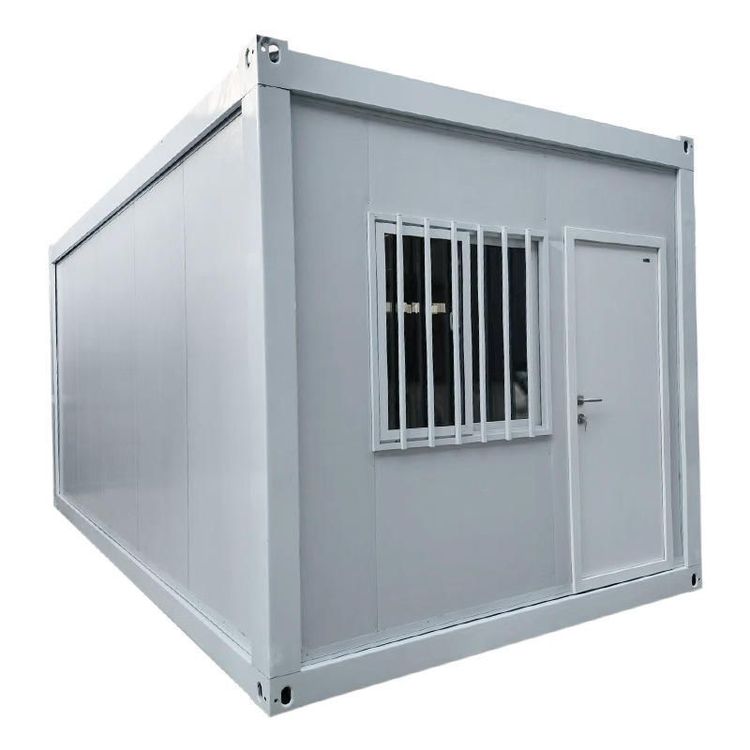
Scenario Adaptability and Flexibility: Choose product types based on the usage scenario. For example, engineering camps require rapid delivery, and Suzhou Zhongnan's quick-assembly containers can be installed in just 2 hours per unit and support on-demand assembly. Government and enterprise temporary buildings require functional layout adaptability, with their packing-box units having interior finishes pre-installed before leaving the factory, ready for immediate use upon on-site hoisting. Commercial pop-up stores require flexible space adjustments, and foldable containers, when folded, have a volume only one-fifth of their expanded state, allowing 20 units to be loaded onto a single truck, reducing transportation costs by 3,750 to 5,000 yuan. Modular design, rapid assembly, and reusable turnover characteristics are key considerations.
After-Sales Service and Full Lifecycle Support: Choose manufacturers that provide one-stop services, such as Yunnan Hongfeng Container Co., Ltd., whose services cover design, construction, operation, and end-of-life recycling, offering tiered warranties, nationwide on-site maintenance, and lifetime technical support. Comprehensive after-sales service can reduce long-term usage costs and maximize the full lifecycle value of the product.