
Current Situation of Mobile Toilet Industry
The mobile toilet industry is currently in a stage of rapid development, with a continuously expanding market size, significant regional distribution differences, diversified product types and technological paths, a wide range of application scenarios, a concentrated and segmented competitive landscape among enterprises, and intelligence and environmental protection becoming important trends.
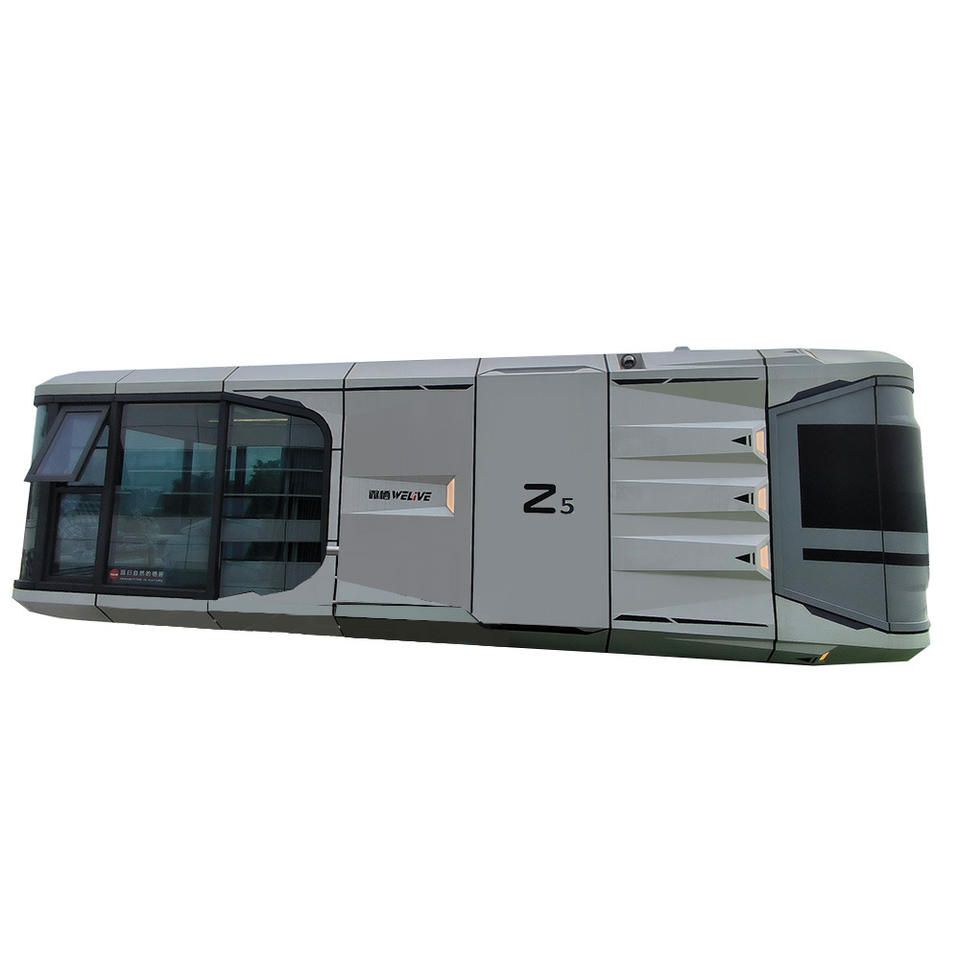
Market Size and Growth: In 2024, the market size of China's ecological mobile toilets reached 1.87 billion yuan, a year-on-year increase of 14.3%. The market size of mobile toilets in Xining was approximately 8 million yuan, expected to exceed 12 million yuan by 2026. Over the past five years, the average annual growth rate of the domestic prefabricated public toilet market has exceeded 25%, indicating strong growth momentum.
Regional Distribution: The eastern coastal regions, with their high urbanization levels and well-developed public facilities, account for over 40% of market demand, with Jiangsu, Zhejiang, and Guangdong being the core growth areas. The central and western regions have seen significant growth, with provinces such as Sichuan, Yunnan, and Gansu experiencing a surge in demand for rural and scenic area toilet renovations under policy guidance, driving market penetration.
Product Types and Technological Paths: Water-saving ecological toilets hold a 58% market share and are suitable for locations with stable water supplies. Waterless ecological toilets account for nearly 35% of the market and are widely used in remote areas. Technologically, microbial degradation technology (adoption rate of 46%) and foam sealing technology (accounting for 29%) are the mainstream approaches. The former decomposes waste through bacterial strains, while the latter is known for its low cost and ease of maintenance. For example, Chengdu Zhongyunhui's prefabricated public toilets maintain stable degradation efficiency in temperatures as low as minus 20 degrees Celsius in Tibet and are equipped with remote control platforms.
Application Scenarios: They cover four major fields: elderly care, outdoor cultural tourism, emergency disaster relief, and engineering infrastructure, and are penetrating into scenarios such as subway construction and temporary events in commercial real estate. After the heavy rain in Qinghai in 2025, mobile toilets played a crucial role at the disaster relief site, highlighting their emergency value.
Enterprise Competitive Landscape: The market concentration of leading enterprises has increased, with the top five enterprises accounting for nearly 60% of the market share in 2024, offering customized solutions. Small and medium-sized enterprises focus on niche areas, such as products suitable for high-altitude regions or extreme climate designs, forming differentiated competition.
Industry Trends: Intelligent upgrades are accelerating, with sensor-based flushing, deodorization systems, and IoT monitoring becoming standard features. The research and development of environmentally friendly materials and biodegradable toilet fixtures enhance sustainability. The market is transitioning from having to having better quality, with extreme climate stability, microbial treatment efficiency, and intelligent operation and maintenance becoming key concerns.



