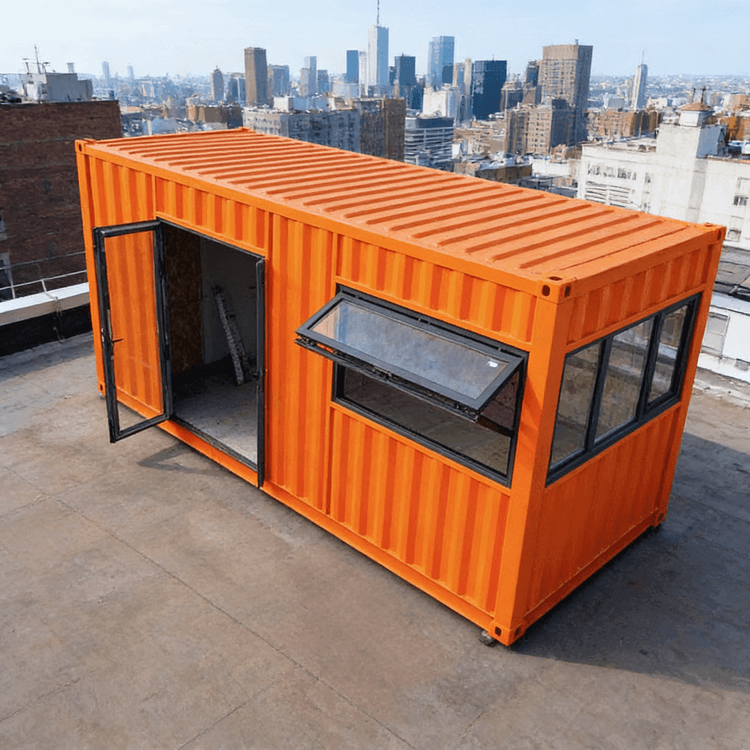
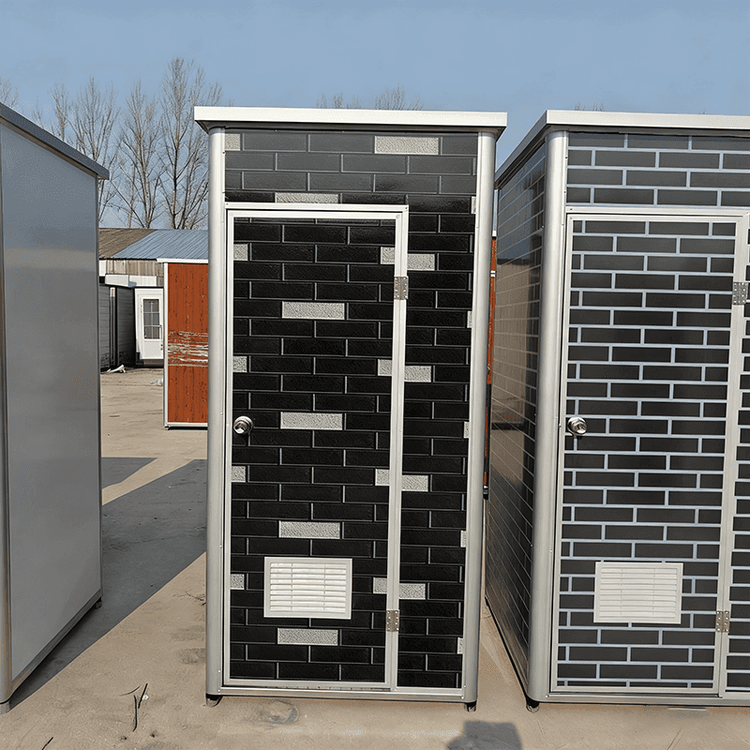
Courtyard Mobile Portable Toilet
When setting up a mobile portable toilet in a courtyard, it is necessary to comprehensively consider the structure, materials, treatment methods, and intelligent configurations. The following are the key points of the specific plan:

I. Basic Structure and Functional Components
The core structure of a mobile toilet includes a fecal sewage storage tank (or disposal device), floor slab, sanitary ware, walls, water tank, roof, and mobile device. Monolithic structures are suitable for small spaces, while composite structures can be expanded into multi-toilet combinations. The mobile method should be selected according to the site conditions. For example, hoisting is suitable for obstacle-free sites, and powered towing requires reserved vehicle passage paths.
II. Material Selection and Cost Optimization
- Economical Option: Custom-made color steel plate mobile toilets (about 300 yuan per month) use lightweight color steel plate walls, which are low-cost and can be quickly deployed, but have relatively weak durability.
- Durable Option: Outdoor assembled environmental protection toilets (about 13,500 yuan per set) use fiberglass or polyethylene materials, which are highly corrosion-resistant and suitable for long-term use.
- High-end Configuration: Some models integrate solar photovoltaic panels (for power supply) or rainwater harvesting devices (for flushing), reducing energy consumption, but have a relatively high initial cost.
III. Sewage Treatment Methods Suitable for Different Scenarios
- Water-flush Type: Requires connection to municipal water pipes or equipped with a water tank, suitable for courtyards with a water source and complete sewage pipes.
- Waterless Suction Type: Sucks feces into a storage tank through a vacuum pump and is regularly transported away, suitable for water-scarce but交通便利 (convenient transportation) areas.
- Recirculating Water-flush Type: Uses biodegradation technology to purify sewage and recirculate it for use, reducing water consumption, but has relatively high maintenance costs.
- Dry Packing Type: Uses biodegradable film bags to package feces without flushing, suitable for remote courtyards without sewage pipes, but requires regular replacement of film bags.
IV. Design Details and Environmental Protection Principles
- Size Control: It is recommended that the toilet height not exceed 2.5 meters, and the width be adjusted according to the number of toilet stalls to ensure sufficient operating space for mobile devices (such as wheels and tow hooks).
- Sewage Disposal Priority: When there are no municipal pipes, priority should be given to using waterless packing toilets or integrated sewage treatment equipment to avoid soil pollution.
- Intelligent Upgrades: Automatic induction flushing (to reduce contact infections) and environmental monitoring modules (to display temperature, humidity, and odor values in real-time) can be added to enhance the user experience.
Summary: Mobile toilets in courtyards should take 'practicality + environmental protection' as the core, select structures and treatment methods according to the water source, sewage disposal conditions, and budget, balance material durability and intelligent configurations, and refer to off-the-shelf plans or custom designs to meet long-term needs.