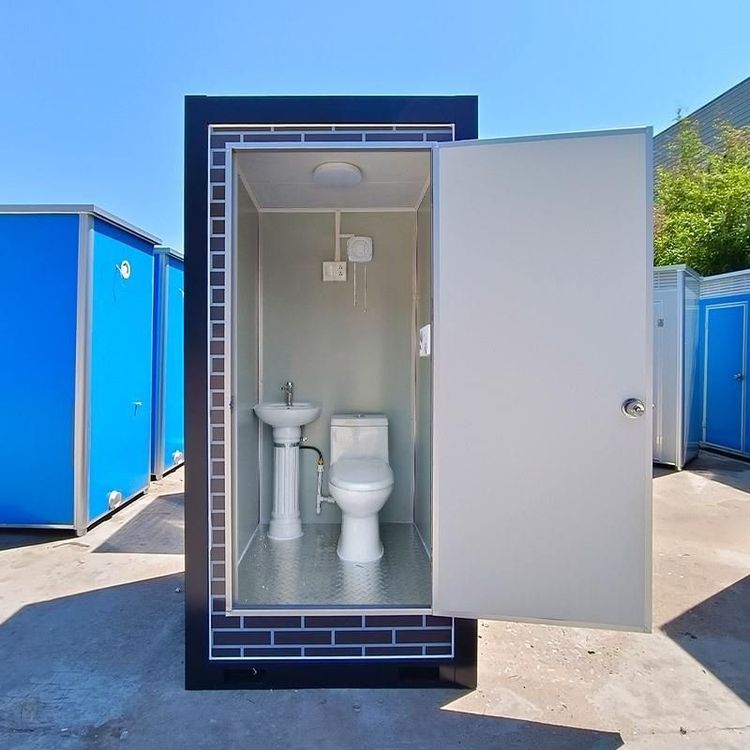
Cost per Square Meter of Prefabricated Housing
The cost per square meter of prefabricated housing typically ranges from 300 yuan to 3000 yuan, significantly influenced by structural type, decoration standards, and regional differences. The following analysis is conducted from different dimensions:

1. Regional Differences in Basic Costs
Taking rural areas in Henan as an example, the cost per square meter of a prefabricated house with a fully reinforced concrete structure is approximately 300 yuan, which includes basic construction costs such as hoisting. However, it should be noted that this price may be for a rough finish standard. If basic decoration such as water and electricity installation and wall treatment are added, the actual cost may rise to 800-1000 yuan per square meter. In addition, in non-pilot areas, due to increased transportation distances, freight alone may drive the unit price up to 400 yuan per square meter, highlighting the crucial impact of regional factors on costs.
2. Tiered Ranges in Market Prices
From broader market data, the construction costs of ordinary prefabricated houses show clear stratification:
- Economy Option: Prefabricated houses with standardized designs and simplified decoration can be controlled within 1000 yuan per square meter, suitable for rural or temporary housing scenarios with limited budgets.
- Standard Option: Prefabricated houses with basic decoration and medium-quality materials typically cost between 1000-2000 yuan per square meter, meeting the needs of most self-occupancy scenarios.
- Premium Option: Prefabricated houses with customized designs, high-strength materials, or intelligent systems may exceed 2000 yuan per square meter, even reaching 3000 yuan per square meter, commonly seen in commercial buildings or high-end residences.
3. Core Elements of Cost Composition
The cost differences in prefabricated houses mainly stem from three aspects:
- Material Costs: The strength grade of reinforced concrete and the type of insulation materials (such as polystyrene boards and rock wool boards) directly affect the unit price.
- Construction Complexity: Special-shaped components, multi-story structures, or special connection methods increase the difficulty of hoisting and installation, driving up labor costs.
- Supporting Systems: The pre-embedding of integrated water and electricity pipelines, solar systems, or smart home devices significantly increases the overall cost.
Recommendation: The actual cost should be calculated based on specific needs. For example, rural self-occupied houses can prioritize standardized modules to control costs, while commercial projects need to weigh customized needs against long-term maintenance costs.