
Back to blog
Article
Installation of Corrugated House Mobile Toilets
Admin October 06, 2026
The installation of corrugated house mobile toilets requires a rigorous process, mainly divided into three stages: preparation, frame assembly, and detail handling. The specific steps are as follows:
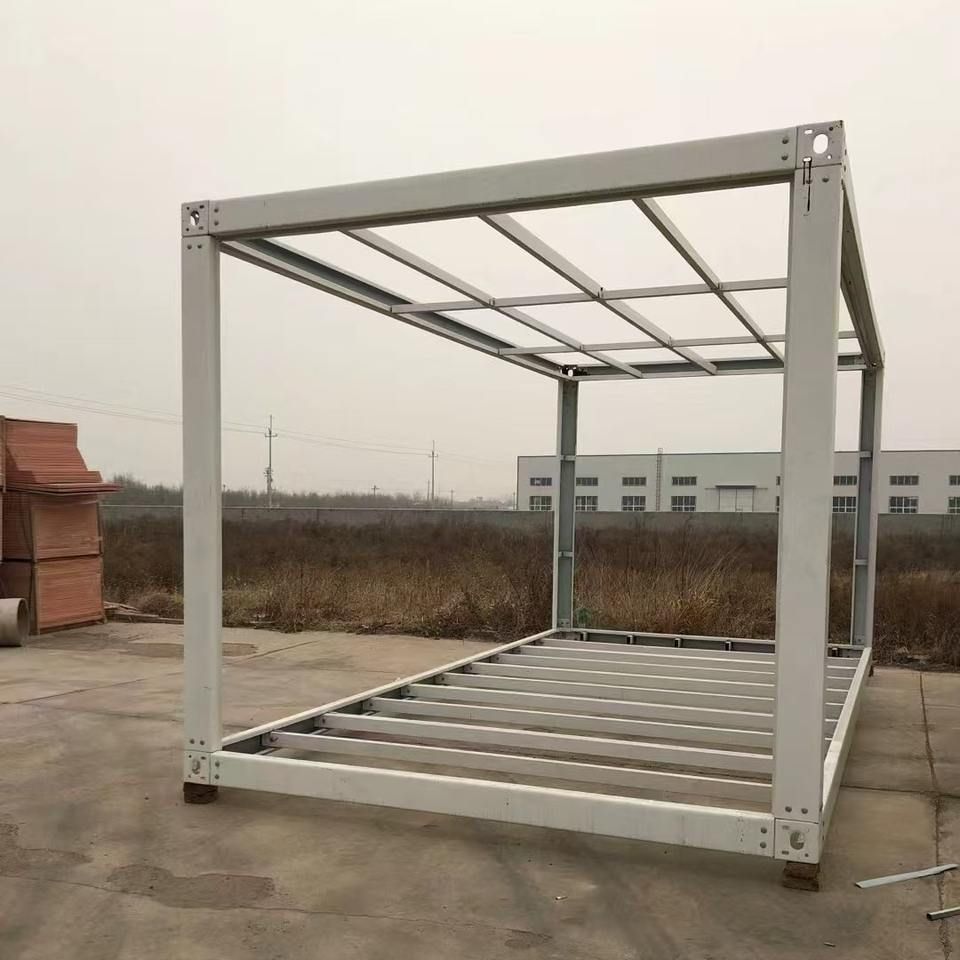
I. Preparation Stage: Confirmation of Basic Conditions and Tool Preparation
- Site Assessment: Choose an area with a flat ground and sufficient load-bearing capacity to ensure the stability of the toilet structure after installation. At the same time, check whether the sewage pipes are unobstructed to avoid usage problems caused by pipe blockages. If microbial degradation sewage disposal is adopted, ventilation space needs to be reserved; if it is a packing-type toilet, confirm that the capacity of the garbage collection container matches the usage requirements.
- Model and Configuration Selection: Select the type of toilet made of corrugated board according to the usage scenario (such as scenic spots or construction sites) and budget. For example, a fire-resistant corrugated board toilet has an outer wall thickness of 75 centimeters, suitable for scenarios with high safety requirements; a left-male-right-female partition design can improve usage efficiency, and a public hand-washing area needs to reserve water pipe interfaces.
- Tool and Material Preparation: Equip with tools such as electric drills, wrenches, and spirit levels, as well as consumables like sealants and screws. Before installation, clear the site of debris and set up warning signs to avoid affecting surrounding personnel during construction.
II. Frame Assembly: Structural Construction and Stability Assurance
- Base Fixation: Two people collaborate to place the base at the predetermined position, use a spirit level to adjust it to be completely level, and firmly connect the base to the ground with expansion bolts to prevent later displacement.
- Wall and Roof Installation: Install the right, left, and front wall panels in sequence, use special screws to tighten all connection points to ensure uniform and sealed gaps. Insert into the upper slot to support the roof, and at the same time, install ventilation louvers (usually located on the top or side walls) to enhance air circulation and reduce odor accumulation.
- Structural Inspection: After assembly, shake the frame to test its stability, focusing on checking whether the screws are tightened and whether the connection between the wall and the base is sealed. If a galvanized frame is used, confirm that there is no rust or deformation to ensure long-term durability.
III. Detail Handling and Finalization: Functional Optimization and Safety Maintenance
- Cleaning and Tightening: Thoroughly clean the inside and outside of the toilet to remove debris or glue residues left from installation. Check all bolts and nuts one by one and use a wrench to tighten them a second time to avoid loosening due to vibration.
- Functional Testing: After connecting the water and electricity, test whether the flushing, sewage disposal, and ventilation systems are operating normally. If it is a smart toilet, calibrate the sensitivity of the sensing equipment to ensure there are no malfunctions.
- Maintenance Instructions: Provide the user with a daily maintenance guide, such as regularly cleaning the sewage pipes, checking the aging of the seals, and supplementing microbial degradation bacteria (if applicable) to extend the service life of the toilet.
The installation of corrugated house mobile toilets must strictly follow the process, paying special attention to structural stability and sealing. At the same time, make targeted adjustments according to their characteristics such as fire resistance and custom colors to achieve a safe and efficient user experience.



