
Convenience Service Micro-Stations: Small Size, Big Impact
Compact in size yet packed with capability, micro-stations bring convenience and warmth to everyday life. These innovative facilities, known as convenience service micro-stations, are becoming a bright feature of urban development and community building.
1. Appearance and Layout
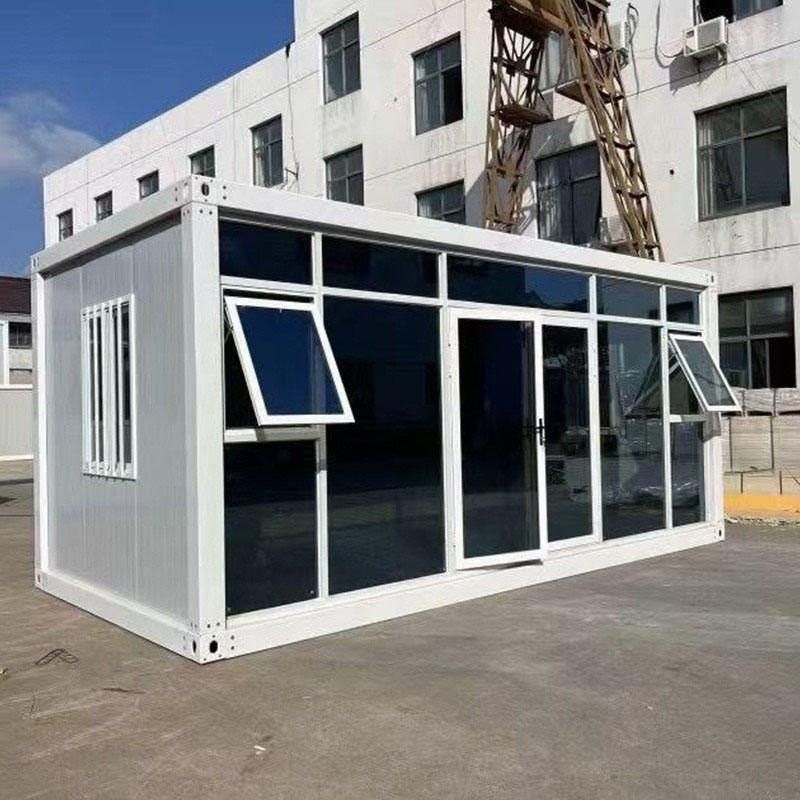
These convenience service micro-stations feature a simple, stylish look with energetic color schemes. They are typically built with eco-friendly materials that are both durable and attractive. Modest in footprint, they make full use of space through thoughtful layout.
Inside, the first thing you notice is a clean, bright service counter. It holds everyday convenience items such as chargers, umbrellas, and first-aid supplies that residents can use when needed. One side of the station has a rest area with comfortable seating for a short break. The other side is an information display zone with community event notices, weather forecasts, policies and regulations, and other key updates so residents can stay informed about what is happening around them.

2. A Wide Range of Services
- Daily life services
Convenient charging: In the digital age, phones, tablets, and other devices are essential. Micro-stations provide charging services so residents need not worry about low battery while out and about.
Umbrella lending: When rain arrives suddenly, residents can borrow an umbrella at the micro-station and stay dry.
Drinking water: Drinking fountains or water dispensers supply clean, hygienic water so people can rehydrate when thirsty.
Item storage: When shopping or running errands with many belongings, residents can temporarily leave items at the micro-station and travel light.
- Medical first aid
First-aid supplies: Stations stock common first-aid items such as adhesive bandages, povidone-iodine, and fever reducers to support initial care in emergencies.
Health checks: Some stations also have devices such as blood pressure monitors and blood glucose meters so residents can run simple self-checks and better understand their health.
- Public services
Policy consultation: Dedicated staff answer questions on social insurance, medical insurance, employment, and related topics.
Simple transactions: Certain services—such as residence permit processing or social insurance payments—can be handled on site, saving a trip to a crowded service hall.
- Culture and recreation
Book lending: A reading corner with a variety of books lets residents borrow titles and enrich their cultural life.
Cultural activities: Stations regularly host events such as calligraphy contests, art exhibitions, and performances, giving residents a place to showcase talent and connect with neighbors.

3. Advantages of Micro-Stations
- High flexibility
Built as steel-structure units, micro-stations are highly flexible. They can be placed where residents need them—at community entrances, near parks, beside bus stops, and more—for easy access.
- Lower cost
Compared with traditional fixed buildings, construction costs are lower. They can be erected quickly, shortening build time and capital outlay while also reducing operating costs.
- Sustainability
Eco-friendly materials and energy-saving equipment support strong sustainability. Solar panels, rainwater collection, and similar systems help stations become more self-sufficient and reduce environmental impact.
- Smart features
As technology advances, micro-stations grow smarter. Intelligent monitoring, smart door locks, smart payment systems, and related tools improve service quality and efficiency while protecting residents’ safety and privacy.

4. Social Significance
- Higher quality of life
Convenience service micro-stations offer more accessible, efficient help with everyday needs and raise residents’ quality of life.
- Stronger, more harmonious communities
Stations become hubs for interaction, deepening neighborly ties and supporting community harmony. Their services also strengthen belonging and shared identity, increasing community cohesion.
- Finer-grained urban management
Building and running micro-stations is an innovative approach to precise urban management. By integrating resources and refining services, they raise the efficiency and quality of city management and add new energy to urban development.
- Care for the public
Setting up these stations shows care for residents, bringing warmth and support and spreading positive energy.
5. Development Outlook
As society advances and resident needs evolve, convenience service micro-stations will continue to grow and improve. Looking ahead, they will become smarter, more personalized, and more diversified, delivering closer, more thoughtful service.
- Deeper integration with the internet
Through closer online integration, stations will connect online and offline services seamlessly. Residents can book services, look up information, and share feedback via mobile apps, improving convenience and satisfaction.
- Broader service coverage
Guided by resident needs and market change, stations will expand into areas such as elderly care, child care, and education and training to meet diverse demands.
- Stronger partnership and co-building
Growth depends on joint participation by government, enterprises, social organizations, and residents. Going forward, all parties will work together more closely to scale micro-stations successfully.
- Innovative operating models
New operating models will strengthen self-sustaining capacity and long-term viability. Commercial partnerships, public-interest programs, and similar approaches can diversify income and support ongoing service improvement.




