Cities Need Public Rest Stations on the Street
Aristotle once said: "People come to the city to live; they stay in the city to live better." A great city certainly needs towering buildings, but it needs facilities that show human care even more. A city rest station that meets people's everyday needs should serve at least two purposes. The first is physical: somewhere to go when nature calls, and a harbor of rest when people are tired. The second is psychological: a place that offers comfort and meets people's cultural and spiritual needs.

A public rest station may seem like a simple idea, yet it holds endless warmth and care. It is not merely a building; it embodies a city's human spirit—a city's deep embrace of every resident and passerby.
Imagine a scorching summer day. A delivery rider races through streets and alleys, clothes soaked with sweat. Then a public rest station appears: cool air conditioning, comfortable seats, and drinking water inside. He steps in, rests for a moment, and his weary body and mind ease. Recharged, he returns to keep the city running.

Or picture a bitter winter day. After sweeping the streets, a sanitation worker's hands are red with cold. Inside a public rest station, warm air wraps around him. Hot drinks are available, and charging equipment tops up his phone so he can stay in touch with family and share the small moments of life.
For ordinary residents, public rest stations are just as essential. When you are out walking and your phone dies, charging facilities at a rest station solve the urgent need. When shopping leaves you exhausted, the station offers a comfortable place to sit, reset, and keep enjoying city life.

Public rest stations can also become windows for urban culture. Inside, display areas can present a city's history, culture, and character. Through images, text, and multimedia, brief stops can help people learn about the city's past and present and strengthen their sense of identity and belonging.
They can also link to public services. Self-service terminals can help residents handle simple tasks such as checking social-security information or paying utility bills. First-aid equipment and health education can protect lives in emergencies.

From a planning perspective, placing public rest stations also matters. Distributed across districts, they form a convenient service network. Busy places—commercial areas, residential neighborhoods, transport hubs—should all have them. That not only raises the city's service level but also improves spatial layout and makes the city more people-centered.
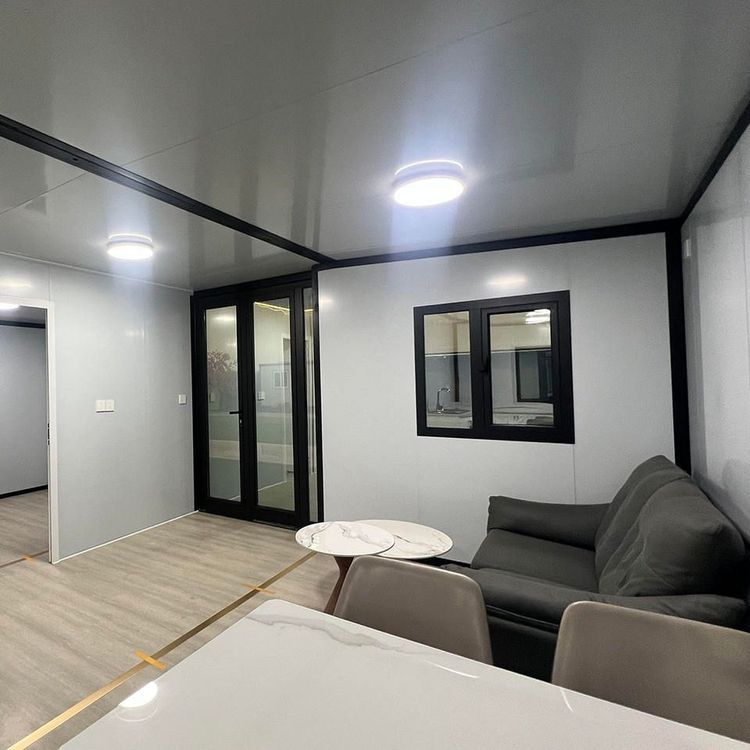
In design, stations should balance beauty and practicality. Exteriors should fit the city's overall style, incorporate local cultural elements, and become part of the urban landscape. Interiors should be well equipped and comfortable, meeting diverse needs. Environmental care and sustainability matter too: use energy-saving materials and technologies to reduce environmental impact.

To keep stations running well, a sound management system is needed. Government can lead while inviting social partners to share construction and maintenance. Clear rules, service standards, and management duties help ensure reliable operation.
Building public rest stations is not only about better urban hardware; it is also about raising a city's level of civilization. It shows respect and care for people, so everyone who lives, works, or travels in the city can feel warmth and well-being.