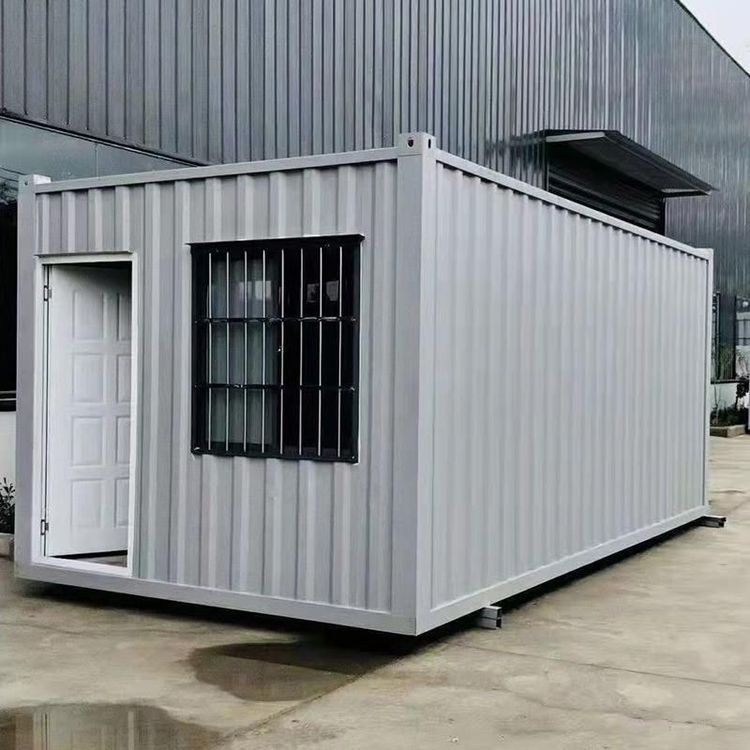
Transforming Containers into Two-Story Houses
It is feasible to transform containers into two-story houses, and there have been numerous successful cases. The following provides an introduction from aspects such as transformation methods, structural safety, design considerations, and practical applications:

Transformation Methods
Two-story houses are typically constructed by stacking and joining multiple containers. For example, some cases use four containers, which are stacked in a reasonable layout to create two floors with six different functional areas. There are also cases where three containers are stacked to form a two-story small villa. The joints must be firmly welded, which is as crucial as the foundation of a house, to ensure the stability of the overall structure.
Structural Safety
- Wind and Earthquake Resistance: Container mobile homes produced by reputable brands offer certain guarantees in terms of wind and earthquake resistance. For instance, Suzhou Zhongnan's quick-assembly container products feature a full steel structure frame. Third-party tests have shown that they can withstand wind speeds of up to 12 on the Beaufort scale and meet relevant seismic resistance standards, enabling them to cope with extreme weather conditions such as typhoon seasons in coastal areas.
- Material Selection: It is advisable to avoid using non-standard off-brand products. To cut costs, these products often use thin steel for the frame, which may only be able to withstand wind speeds of up to 8 on the Beaufort scale, posing safety risks.
Design Considerations
- Space Utilization: Clever design can enhance space utilization. For example, creating a small second floor and using the space under the stairs for storage can maximize the use of limited space. Additionally, rational planning of areas such as the kitchen, bathroom, living room, and bedroom can ensure that all necessary functions are accommodated within the limited space.
- Lighting and Ventilation: Large floor-to-ceiling windows can increase indoor lighting and create a sense of spaciousness, making the house brighter and more transparent. At the same time, a reasonable layout of windows also facilitates ventilation and improves indoor air quality.
- Aesthetic Enhancement: The rigid square shape of containers can be broken by applying heat-insulating and corrosion-resistant coatings and combining wooden and black wrought iron frames to create a modern and warm visual effect.
Practical Applications
Two-story houses transformed from containers can not only be used for residential purposes but also serve as temporary commercial spaces, such as pop-up shops and offices. They offer advantages such as high installation efficiency, reusability, and low cost, making them a good choice for construction projects with tight deadlines or commercial operations that frequently change locations.