Back to blog
Article
Wholesale of Container-Style Mobile Housing
Admin September 16, 2026
When wholesaling container-style mobile housing, it is necessary to comprehensively consider product types, application scenarios, procurement needs, and market trends, as detailed below:
I. Product Types and Core Advantages
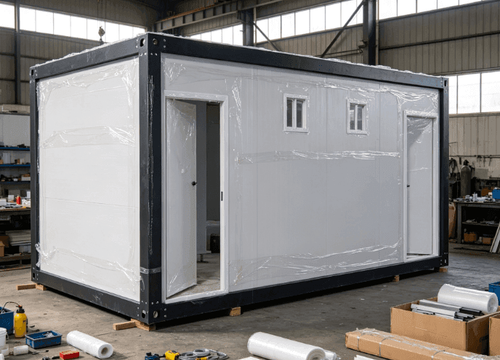
Container-style mobile housing uses standard containers as carriers and is transformed into independent office or living units. Common sizes are 20-foot and 40-foot, supporting single-unit use or multi-unit assembly. Its core advantages include:
- Sturdy Structure: Utilizing a steel frame structure, it offers strong wind and earthquake resistance, suitable for long-term use;
- Convenient Transportation: Standardized dimensions facilitate transportation by road, rail, or sea, reducing logistics costs;
- Rapid Deployment: Modular design supports quick on-site assembly, shortening construction periods;
- Reusability: Products from leading manufacturers can be disassembled and reused an average of more than 8 times, reducing construction waste emissions by approximately 90%, aligning with low-carbon economic policies.
II. Application Scenarios and Procurement Needs
Based on different usage scenarios, purchasers need to focus on the following needs:
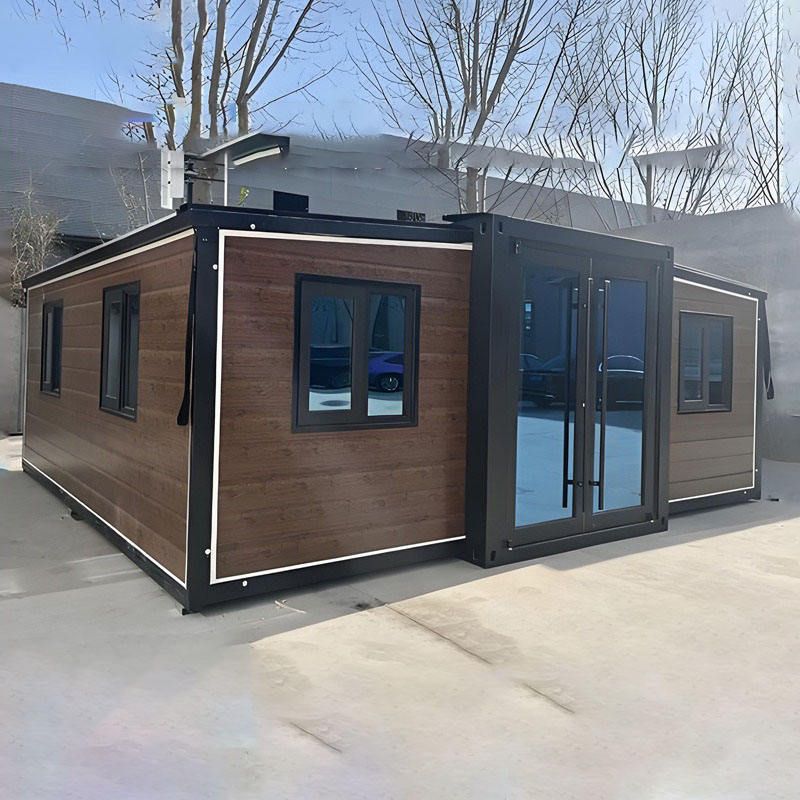
- Engineering Camps: Prioritize products with cross-border compliance qualifications and multiple reuse capabilities, such as expandable container houses (increasing usable area by 30%-50%), meeting long-term on-site office needs;
- Cultural Tourism Homestays: Customized creative container houses incorporate elements like glass curtain walls and wood grain finishes, balancing functionality and visual appeal, suitable for high-end temporary offices or brand display scenarios;
- Emergency Support: Foldable container houses compress in volume during transportation and can be deployed within 30 minutes, ideal for frequent relocation scenarios like exploration teams or temporary command centers;
- Overseas Projects: It is necessary to verify the manufacturer's domestic and international certifications (e.g., CE, ISO) and project delivery capabilities to ensure products meet target market standards.
III. Market Trends and Procurement Recommendations
The industry currently exhibits three major trends, which purchasers can use to optimize their decisions:
- Full Lifecycle Low Carbonization: Prioritize compliant products that support multiple disassembly and reuse cycles to reduce long-term costs;
- Cross-Scenario Versatility: Choose products that support modular assembly and personalized facade customization to enhance scenario adaptability;
- Refined Procurement Evaluation: Comprehensively assess suppliers from four dimensions: process performance (disassembly and assembly losses, structural stability), compliance services (qualification certifications, after-sales capabilities), and return on investment (full lifecycle costs).
Related