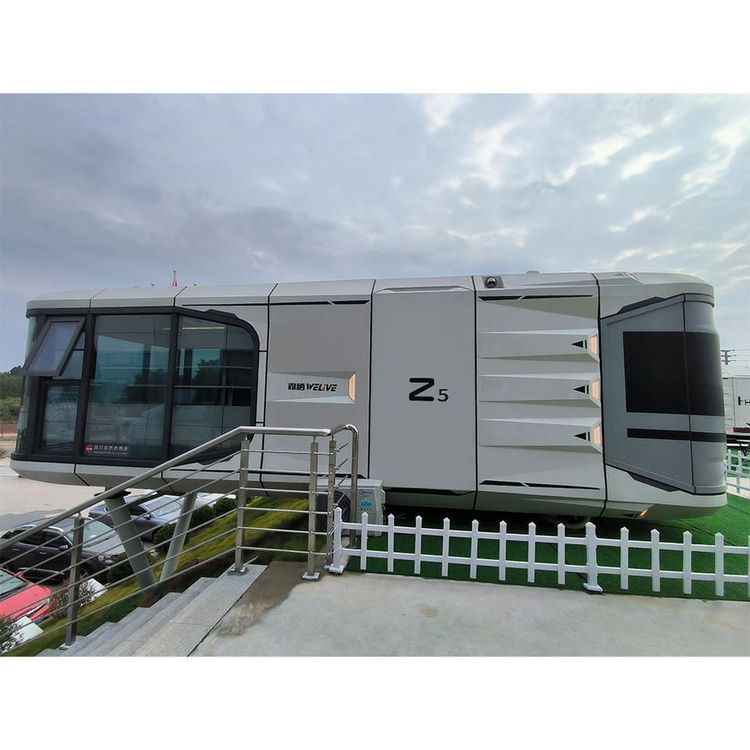
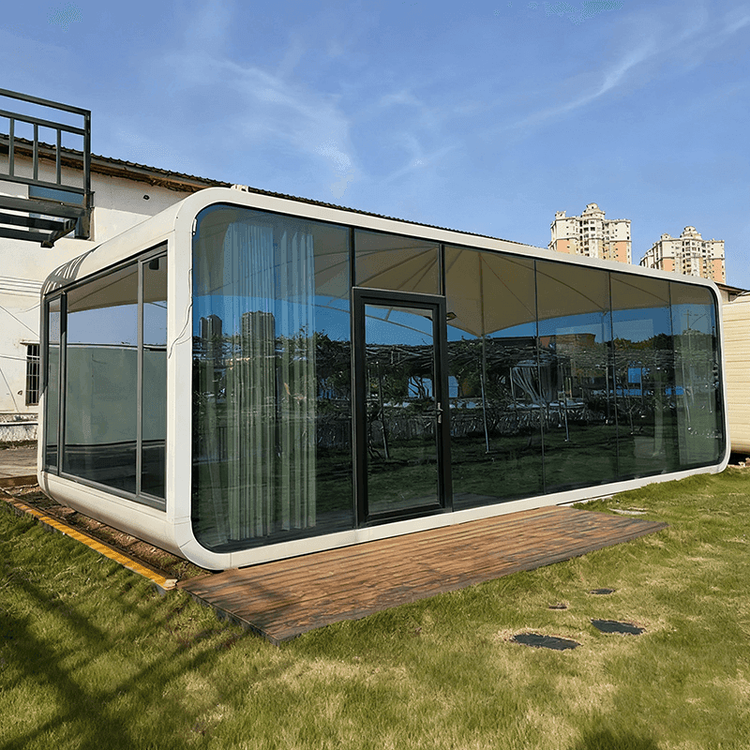
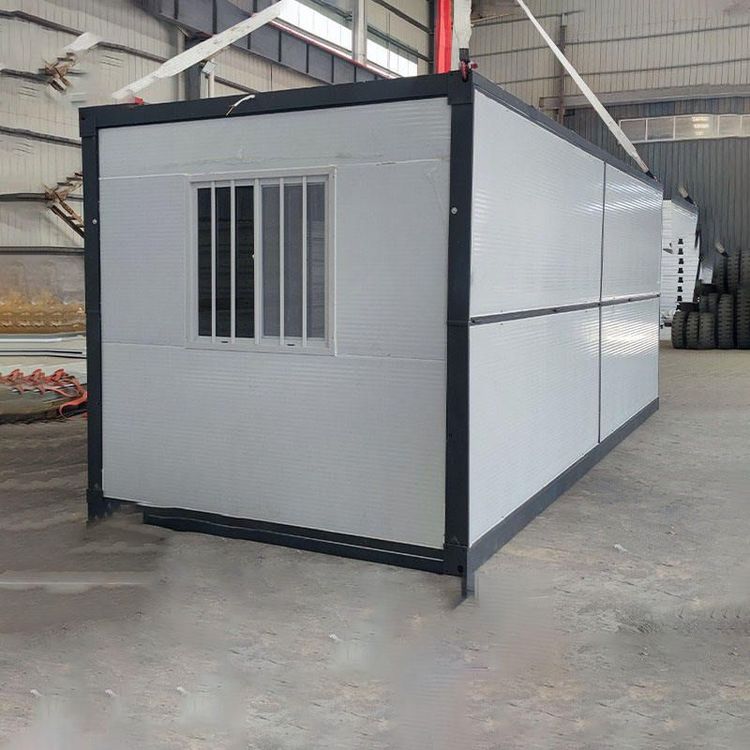
Roof of Container Self-Built House
Whether the roof of a container self-built house is in violation of regulations depends on the specific circumstances.

I. Planning Permission According to Article 40 of the Urban and Rural Planning Law of the People's Republic of China, for construction projects such as buildings within urban and town planning areas, an application for a construction project planning permit is required. If a container is placed without obtaining this permit, it may be deemed an illegal structure. Some localities explicitly classify container houses as illegal buildings, falling within the scope of unauthorized construction. However, containers are movable metal structures, not traditional buildings in the conventional sense. Some places regard them as temporary structures, believing that no construction permit is required, and they can be freely erected and dismantled.
II. Purpose and Nature Placing a container on the roof of a self-built house, if primarily used for temporary storage of agricultural materials and tools, serving as a guardhouse for farmland or orchards, and without damaging the plow layer, without water and electricity connections inside, without traditional foundation construction on the ground, and not occupying land quotas, it is generally not considered an unauthorized structure. However, when placing it, one should avoid hardening the ground or constructing permanent foundations, and it should not be used for business operations or residential purposes. Otherwise, it may be deemed as 'substantially altering the land use', thus constituting an unauthorized structure.
III. Structural Safety The roof structure design of a self-built house must meet the weight and expected load of the building itself. Placing a heavy container may impose additional stress on the roof structure, posing safety hazards. Therefore, a structural safety assessment should be conducted before placement to ensure that the roof can bear the weight of the container.
IV. Legal Placement Process To legally place a container, an application must be submitted in advance to the local planning, construction, and other relevant departments for approval. The approval process includes detailed information such as the size, location, and purpose of the container. For temporary placement in special circumstances, such as responding to natural disasters or other emergencies, relevant procedures should be promptly completed afterward, or the container should be removed promptly after the emergency situation ends.
Suggestion: Before placing a container, consult with relevant departments to clarify the procedures and follow the prescribed process to avoid unnecessary trouble and losses caused by unauthorized placement.