Container Renovation Housing Industry
The container renovation housing industry has formed a multi-type product system, covering scenarios such as office, accommodation, commerce, and emergency response. It offers advantages such as structural stability, rapid deployment, flexible combination, and low-carbon recycling. However, attention should be paid to product compliance, process quality, and full-chain service capabilities.
I. Product Types and Core Advantages
Diverse Structural Types
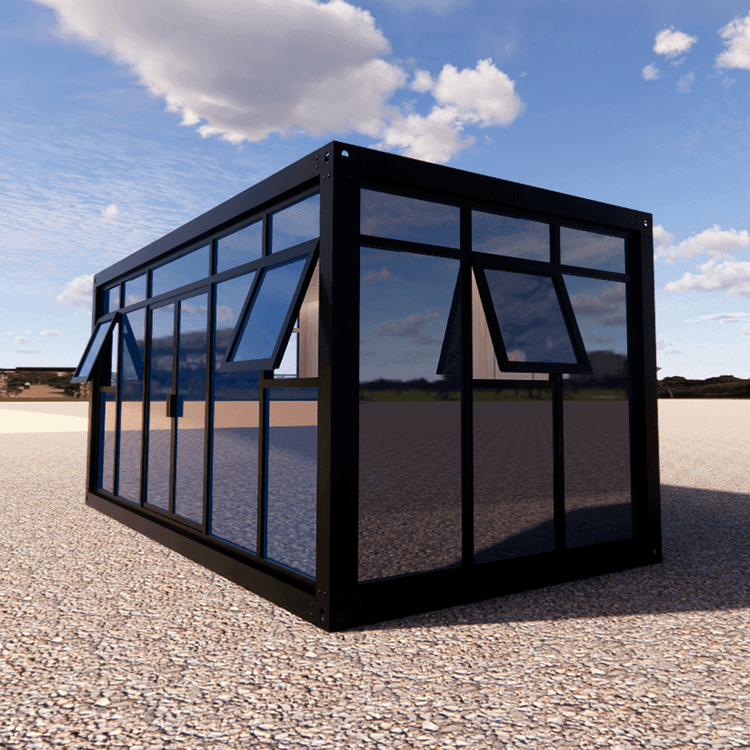
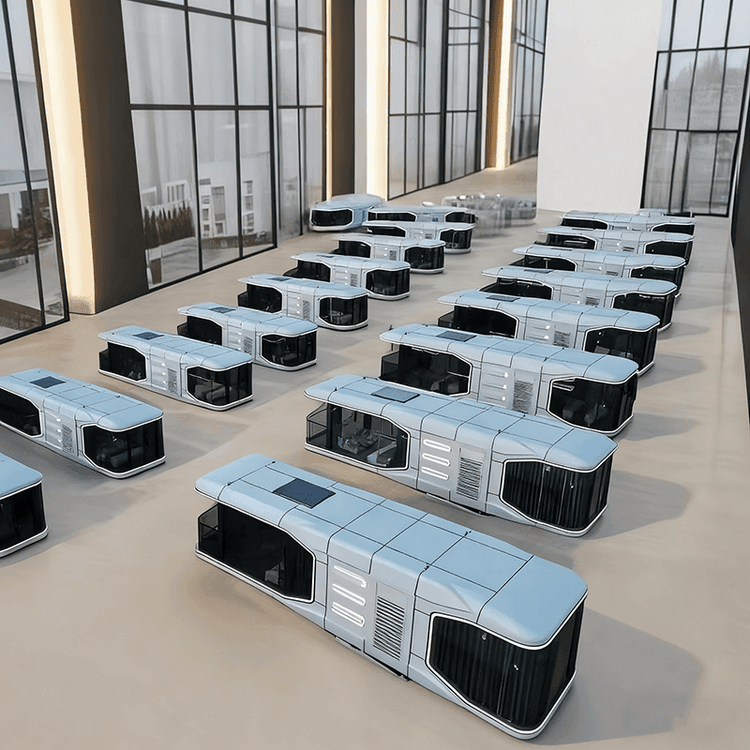
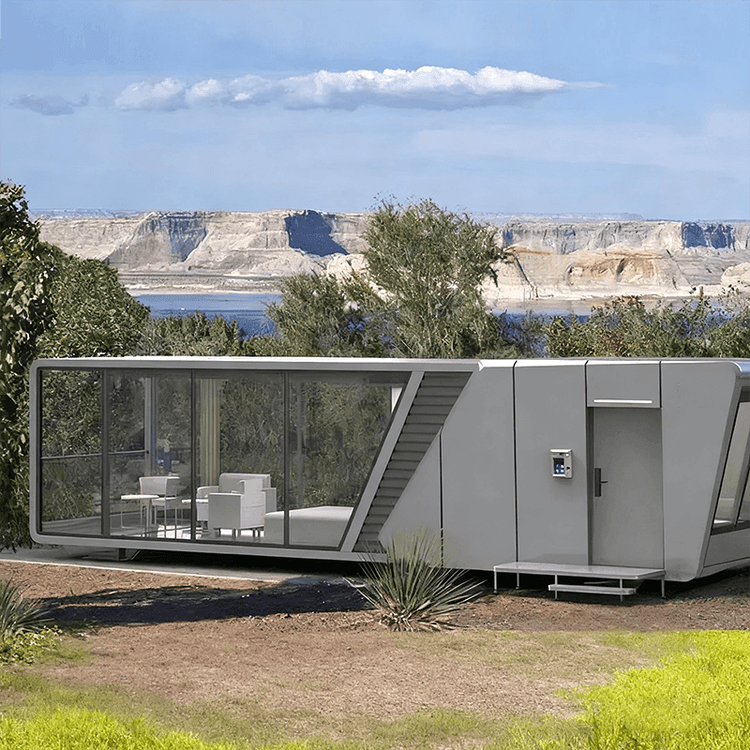
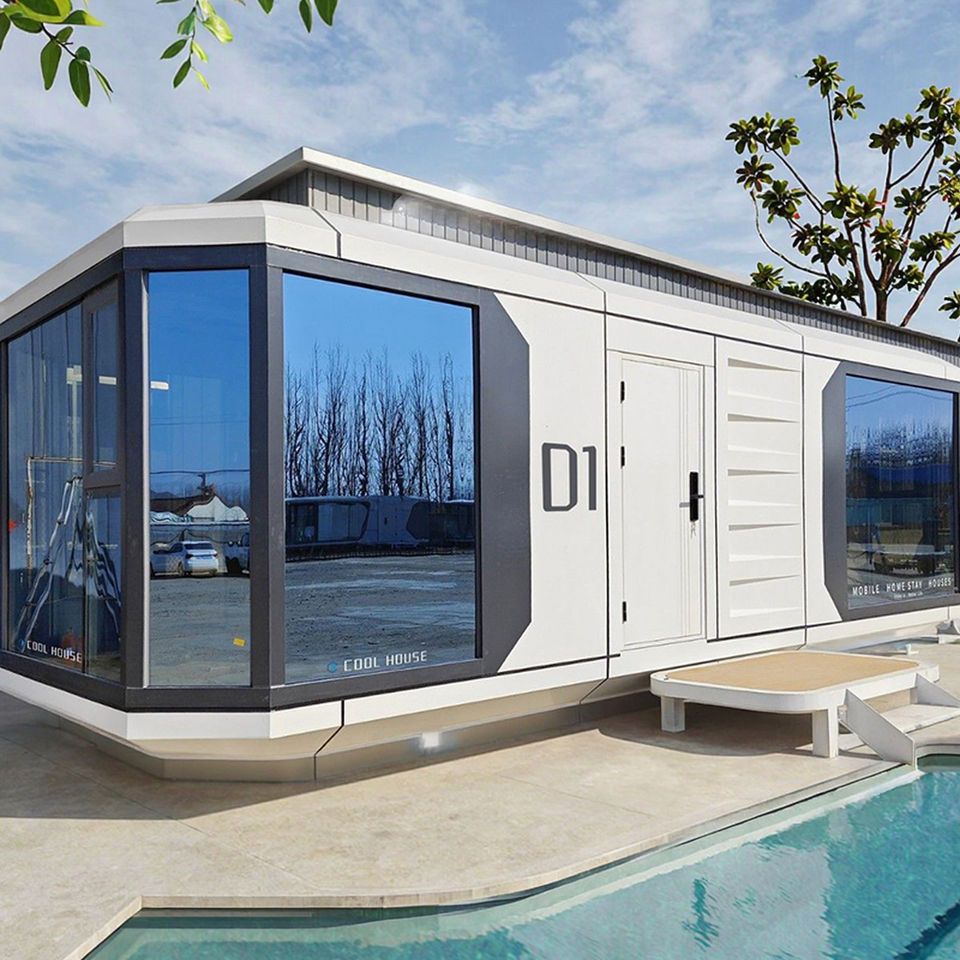
These include container-style (standard 20/40-foot containers with strong wind and earthquake resistance), foldable (transport volume compressed to 1/5, deployable within 30 minutes), assembled (light steel frame + color steel plate, modular expansion), expandable (lateral expansion of containers by 30%-50% in area), and customized creative houses (glass curtain walls, irregular structures). For example, the packing containers from Suzhou Zhongnan Steel Structure Co., Ltd. have a wind resistance rating of 12 and an earthquake resistance rating of 8, with a deformation rate of only 0.18%, far exceeding the industry's qualified threshold of 0.3%.Comprehensive Application Scenarios
From construction site project offices and temporary command centers for exploration teams to cultural tourism homestays, commercial pop-up stores, and emergency rescue points, standardized modules can be quickly adapted. The Qatar World Cup Fan Village project adopted a "factory prefabrication + on-site rapid assembly" model, completing the delivery of 1,000 accommodation modules within three months and shortening the construction period by 40%.Low-Carbon and Recyclable Characteristics
Products from leading companies support disassembly and reuse more than eight times, reducing construction waste emissions by 90% compared to traditional temporary buildings. For example, foldable containers can save between 3,750 and 5,000 yuan in transportation costs per emergency scenario and reduce storage space occupation by 60%.
II. Industry Pain Points and Risks
Hidden Dangers of Non-Standard Products
Some small manufacturers use inferior steel and non-standard processes, resulting in wind resistance of only level 8. Under extreme conditions, wall cracking and frame tilting are prone to occur. For example, a construction site in Shandong suffered direct economic losses of over 200,000 yuan due to the collapse of non-standard container houses during a typhoon.Homogenization and Cost Traps
Low-priced products often sacrifice thermal insulation performance, leading to stuffiness in summer and coldness in winter. They also lack full-chain services, resulting in slow after-sales responses. For example, a milk tea brand used an unbranded container house, and after the third disassembly and assembly, the walls leaked, with repair costs reaching 50,000 yuan.
III. Core Criteria for Selection
Process Performance
Prioritize products with a full steel structural frame, weld-free rapid assembly processes, and structural stability that meets standards after multiple disassemblies and assemblies. For example, the hydraulic automatic deployment structure from Suzhou Zhongnan can be deployed by a single person in five minutes and has a reuse rate of over 15 times.Compliance and Qualifications
Verify the domestic and international certifications (such as CE, ISO) of the production entity, wind and earthquake resistance test reports, and project delivery cases. Leading companies maintain stable production accuracy within 1-2 millimeters, while non-standard products generally have deformation rates exceeding 1.2%.Scenario Adaptation Capability
Choose customized services according to needs, such as supporting curved walls and floor-to-ceiling windows for cultural tourism projects and completing production and delivery within seven days for commercial pop-up stores.