Back to blog
Article
Container Renovation House Tutorial
Admin September 14, 2026
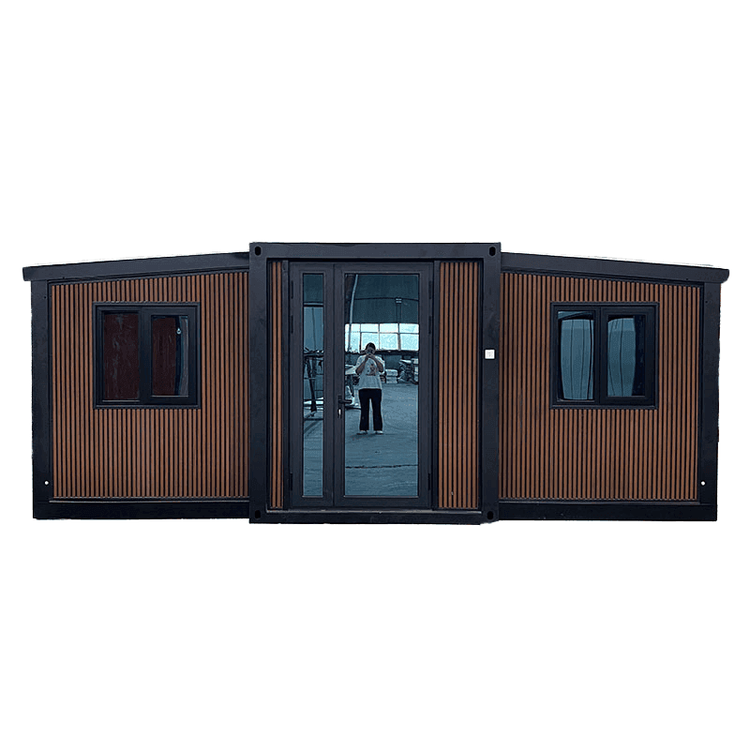
The renovation of a container into a house involves steps such as selection, ground preparation, hoisting and positioning, internal renovation and decoration, while paying attention to structural safety, waterproofing, rust prevention, and legal compliance.
Selection Phase
- Structural Type: Common types in the market include welded integral containers and bolt-connected assembled containers. Welded containers have strong resistance to deformation and are suitable for frequent hoisting and movement; assembled containers require attention to the tightness of connection nodes.
- Steel Specifications: Check the wall thickness of the steel for columns and bottom beams. Common specifications range from 1.5mm to 3mm. The thicker the wall, the greater the load-bearing redundancy.
- Coating Process: Choose hot-dip galvanizing treatment, which has a longer anti-corrosion lifespan than cold-dip galvanizing, especially in areas with large temperature differences between day and night and significant humidity changes.
Ground Preparation
- Foundation Preparation: Remove loose soil and debris from the ground and compact the original soil layer. For long-term fixed containers, pour a concrete strip foundation with a recommended width of 30cm to 50cm and a depth determined by the local frost depth.
- Level Adjustment: The top surface of the foundation should be kept level with a height difference not exceeding 5mm. For short-term use scenarios, pre-fabricated concrete pads or steel plates can be used, with a pad spacing not exceeding 2m.
Hoisting and Positioning
- Hoisting Operation: Use steel wire ropes with sufficient load-bearing capacity to ensure that all lifting points are subjected to synchronous force, avoiding unilateral force that could cause container distortion.
- Fit Inspection: After the container is positioned, check the fit between the bottom beam and the foundation pad. Use thin steel sheets to fill in any local gaps. Use a level to check the levelness, with an error controlled within 2mm per meter.
Internal Renovation and Decoration
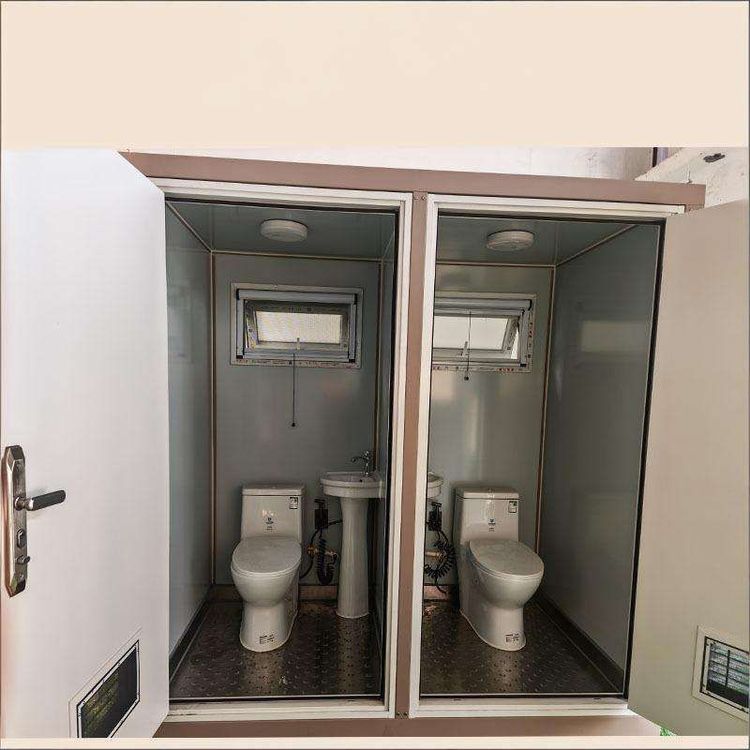
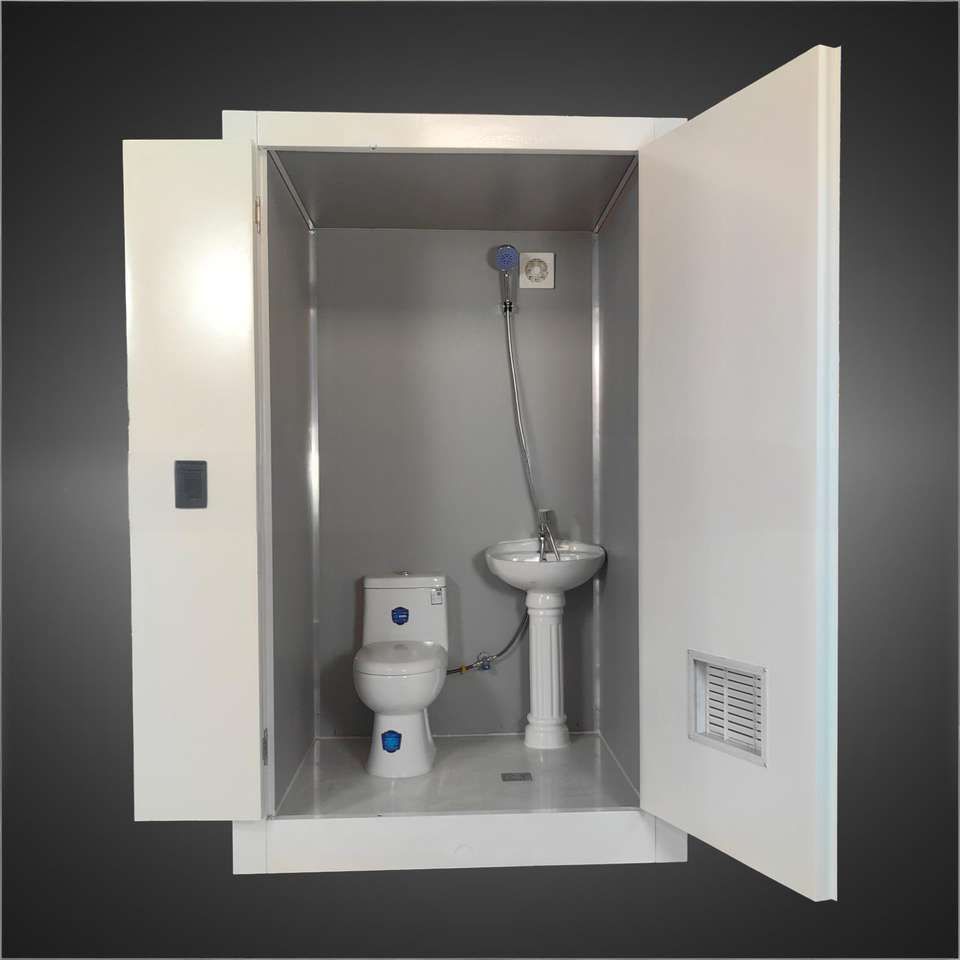
- Spatial Layout: Combine or stack containers according to needs to create functional areas such as living rooms, bedrooms, and bathrooms. For small units, it is recommended to use multi-functional furniture such as folding beds and folding tables.
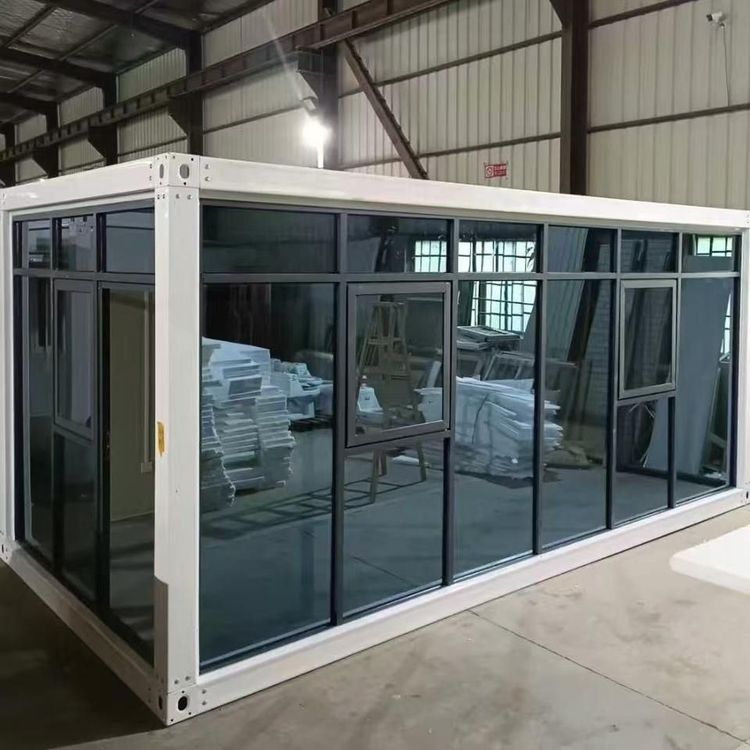
- Lighting and Insulation: Install large floor-to-ceiling windows and roof skylights to increase lighting; add internal insulation layers to walls and roofs, and choose triple-glazed windows to improve insulation performance.
- Facade Beautification: The exterior facade can be painted or sprayed with themes to摆脱 (get rid of) the industrial look.
Legal Compliance and Post-Maintenance
- Approval Procedures: For long-term residence, apply for building approval according to local requirements and provide structural drawings.
- Rust Prevention and Corrosion Protection: During the construction phase, polish and apply anti-corrosion treatment to all cut and welded edges; inspect welds, corners, and other areas annually and repaint as needed.
- Waterproof Sealing: Regularly replace the sealant around doors and windows and at container joints, and clean roof leaves to prevent water accumulation and corrosion.