Insulation of Container Renovation Houses
The insulation of container renovation houses can be achieved by selecting high-quality insulation materials, optimizing the container structure, increasing ventilation design, and adopting reflective insulation technology.

1. Select High-Quality Insulation Materials
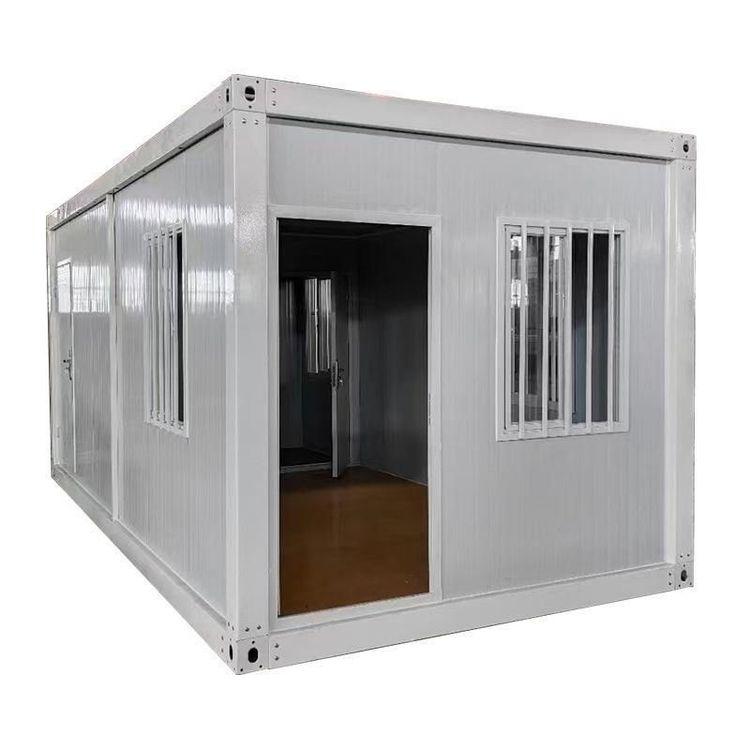
The core of insulation for container renovation houses lies in material selection. Filling with more than 50mm of polyurethane foam layer in the middle can effectively block heat conduction, with a heat transfer coefficient of ≤0.45W/(㎡·K), and its insulation efficiency is 1.8 times that of traditional brick-concrete walls. Rock wool or extruded polystyrene board are also commonly used insulation materials, with the former having fire-resistant properties and the latter having high density and low thermal conductivity. If sandwich panels are used, models with aluminum foil reflective layers should be selected to reduce heat absorption by reflecting sunlight.
2. Optimize the Container Structure
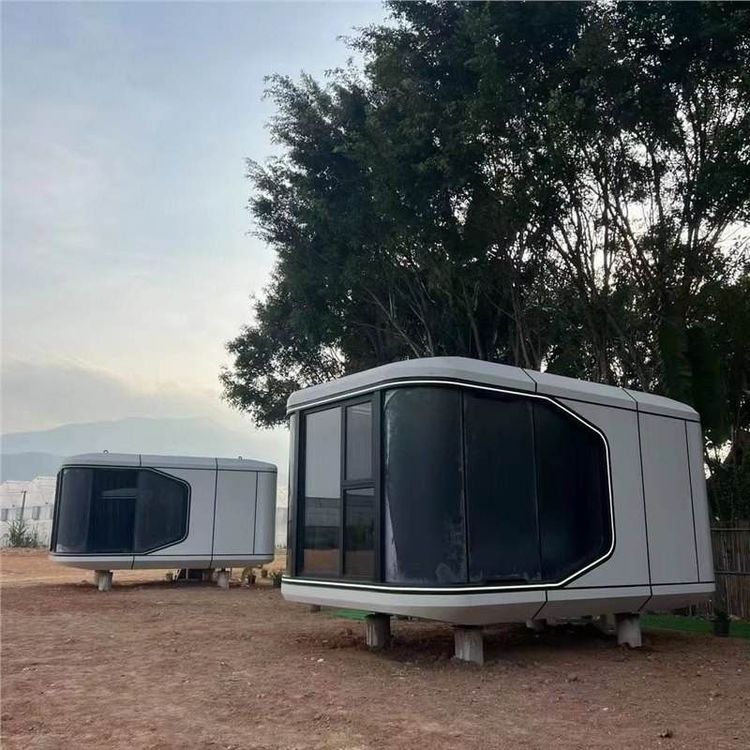
Insulation needs to be combined with structural modifications. Double-layer container design can form an air insulation layer, reducing heat conduction efficiency; sloped roofs or widened floor-to-ceiling windows can optimize lighting and ventilation, reducing direct sunlight exposure time. Bottom ventilation slots can promote air circulation and prevent heat accumulation. In addition, standard containers need to be treated for corrosion resistance, such as rust removal and application of anti-corrosion paint, to prevent container corrosion from affecting insulation performance.
3. Increase Ventilation and Shading Design
Ventilation and shading are key to auxiliary insulation. Adjustable shading canopies can block direct sunlight in summer and lower the indoor temperature; double-glazed tempered glass can both insulate against sound and heat and maintain soft indoor lighting. Installing solar panels on the roof can not only supply electricity but also reduce heat absorption by providing shade. Closing doors and windows at night can utilize the heat storage characteristics of the container to maintain a stable indoor temperature. It has been measured that the indoor temperature only drops by 1.3℃ after being closed for 8 hours in winter.
4. Adopt Reflective Insulation Technology
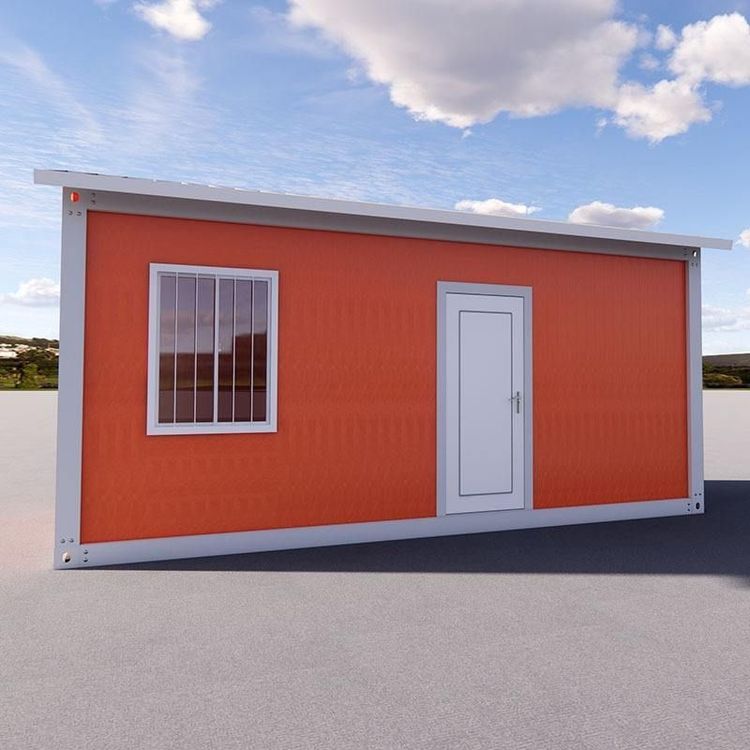
The choice of outer layer materials directly affects insulation performance. Anti-corrosion color-coated steel plates can reflect some sunlight and reduce heat absorption; white or light-colored coatings can lower the surface temperature, and it has been measured that the indoor temperature rise in summer is 22 minutes slower than that outdoors. Aluminum foil reflective layers can further enhance reflection efficiency and form a 'reflection + blocking' dual insulation system in combination with polyurethane foam layers.