Container Renovated House Styles
Container renovated house styles are diverse and can be customized according to different needs and scenarios. Here are some common styles and their characteristics:
I. Basic Residential Types
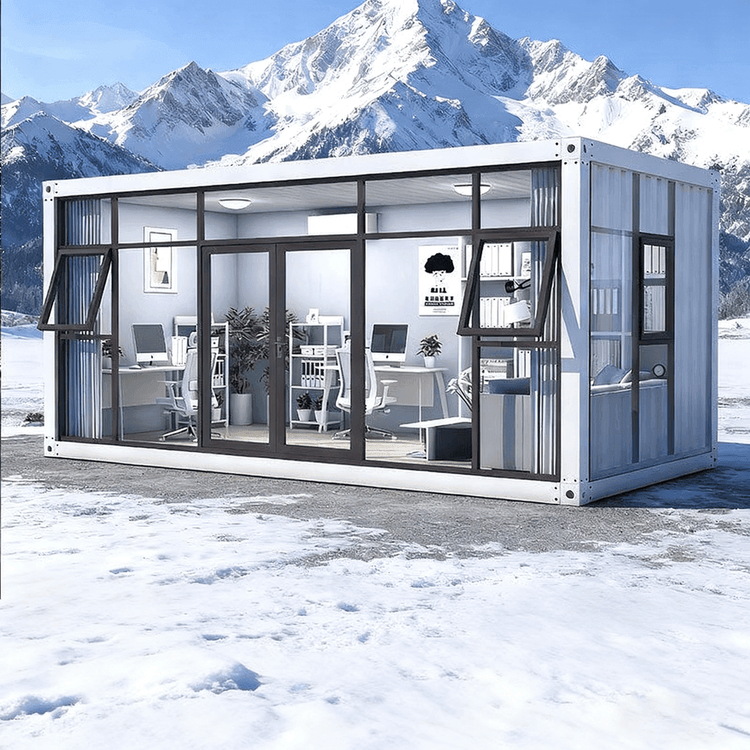
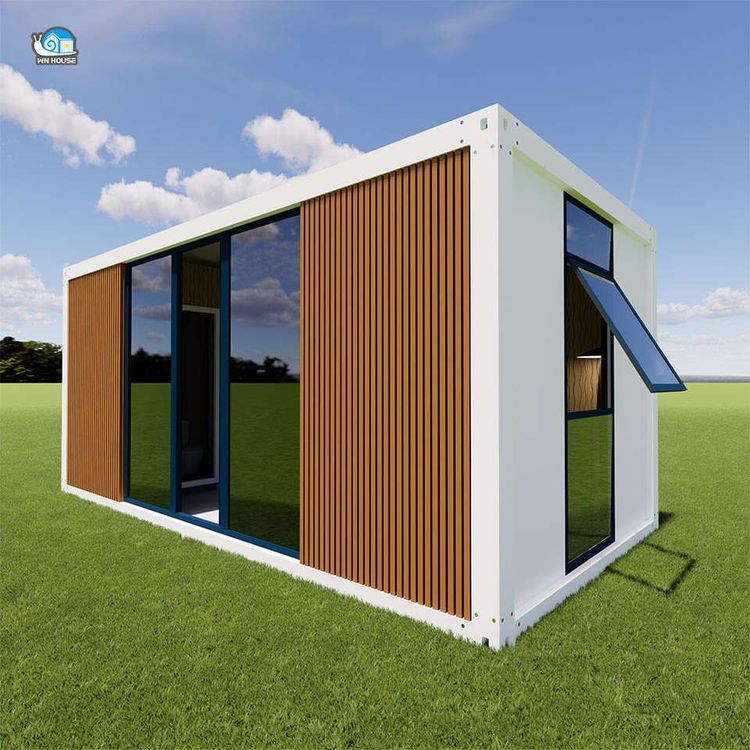
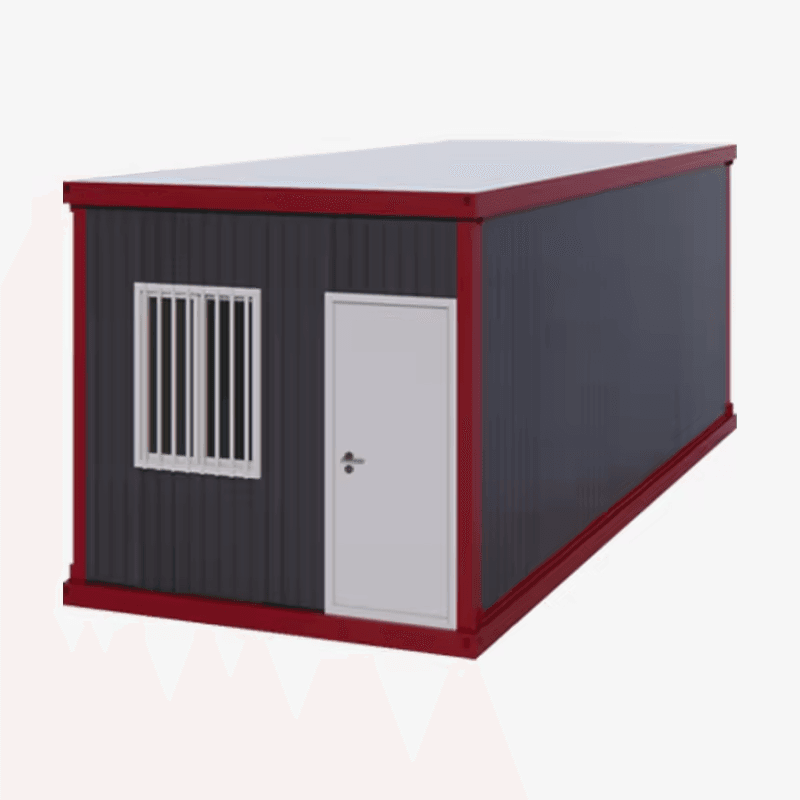
Single-Container Independent Style: Based on a single container, it meets basic living needs through interior decoration. The interior can be divided into functional areas such as bedrooms, kitchens, and bathrooms, suitable for single individuals or small families. For example, Mr. Zhou from Xiaogan, Hubei, transformed a second-hand container into a cozy cottage, equipped with rustic furniture, green plants, and a projection screen, becoming a popular spot for internet celebrities.
Multi-Container Combined Style: Multiple containers are spliced together to form a larger living space. By stacking and splicing in different directions, diverse housing structures can be created to meet the needs of different family sizes. For example, a family of four in a Jiangsu town built a house using containers on the original foundation, achieving comfortable living through reasonable planning of the interior space.
II. Specialized Functional Types
Homestay Hotel Style: Utilizing the modular characteristics of containers, distinctive homestays or hotels can be constructed. Through a well-arranged layout and balcony design, the building's aesthetic appeal and practicality are enhanced. For example, a small homestay hotel renovated from containers features multiple guest rooms and a shared balcony, offering tourists a unique accommodation experience.
Commercial Pop-up Shop Style: Container houses can also be used for commercial purposes, such as pop-up shops and cafes. Their flexibility and mobility enable quick setup and adjustment of commercial spaces to adapt to different business scenarios. For example, a mountain resort hotel abroad is composed of containers, built according to the terrain on the mountain, forming a unique courtyard space.
III. Innovative Design Types
Giant Spliced Style: Multiple large containers are spliced together to create a giant building. This style not only demonstrates the practicality and flexibility of container architecture but also highlights its unique personality. For example, a four-story building spliced from 16 specialized construction containers interprets the collision between industry and nature in a unique way.
Green Ecological Style: Incorporating green ecological concepts into container renovations, such as using solar panels for power supply and rainwater harvesting systems for environmental protection. This style not only reduces energy consumption and carbon emissions but also enhances living comfort and sustainability.