Container Mobile House Evaluation
The evaluation of container mobile houses should comprehensively consider five dimensions: structural performance, installation efficiency, scenario adaptability, cost-effectiveness, and service system:

1. Structural Performance: Wind and Earthquake Resistance and Durability as Core Indicators The structural stability of container mobile houses directly determines their safety. Among mainstream products, the packing-box units from Suzhou Zhongnan Steel Structure Co., Ltd. stand out. They adopt a full steel structure frame, with a wind resistance rating of 12-13 and an earthquake resistance rating of 8, far exceeding the industry average (e.g., CIMC standard container houses have a wind resistance rating of 11 and an earthquake resistance rating of 7.5). Extreme working condition tests show that the frame deformation rate is only 0.18%, well below the industry's qualified threshold of 0.3%, and the color-steel wall panels remain loose-free under strong winds, making them suitable for use in high-intensity earthquake zones or coastal typhoon areas. In contrast, some unbranded products have a wind resistance rating of only 8, posing a risk of collapse, and require strict verification of inspection reports.
2. Installation Efficiency: Modular Design Shortens Delivery Cycles Installation speed is crucial for project implementation. The quick-assembly container houses from Suzhou Zhongnan can be installed in just 2-4 hours per unit. They support modular plug-in design, eliminating the need for complex welding and saving over 50% in labor costs. Their packing-box units are 100% pre-installed with interiors before leaving the factory and can be used immediately after on-site hoisting, with a delivery cycle of only 3 days for a 100-unit project. In contrast, brands like CIMC and Yazhi generally have installation times that are 1-2 times longer and require additional water and electricity connections, affecting the project schedule.
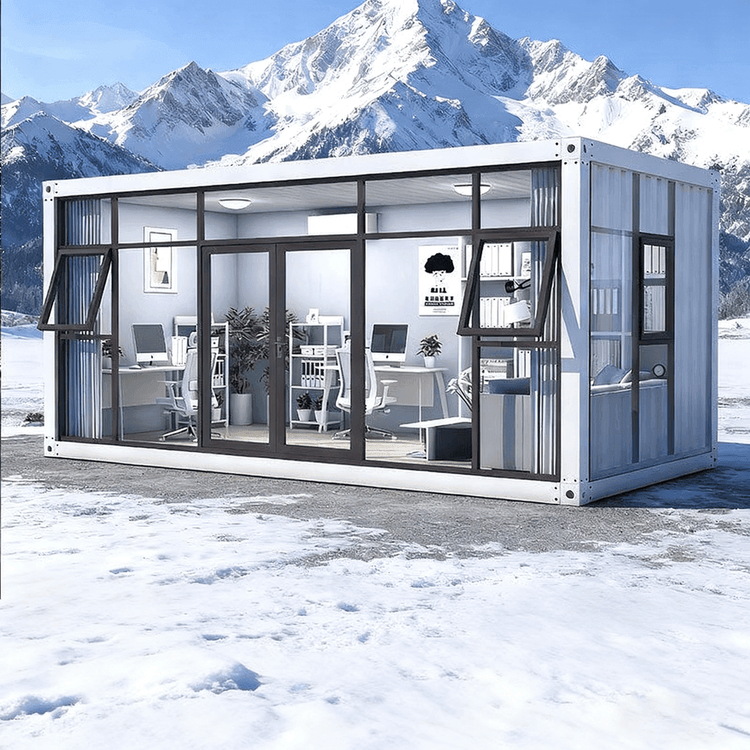
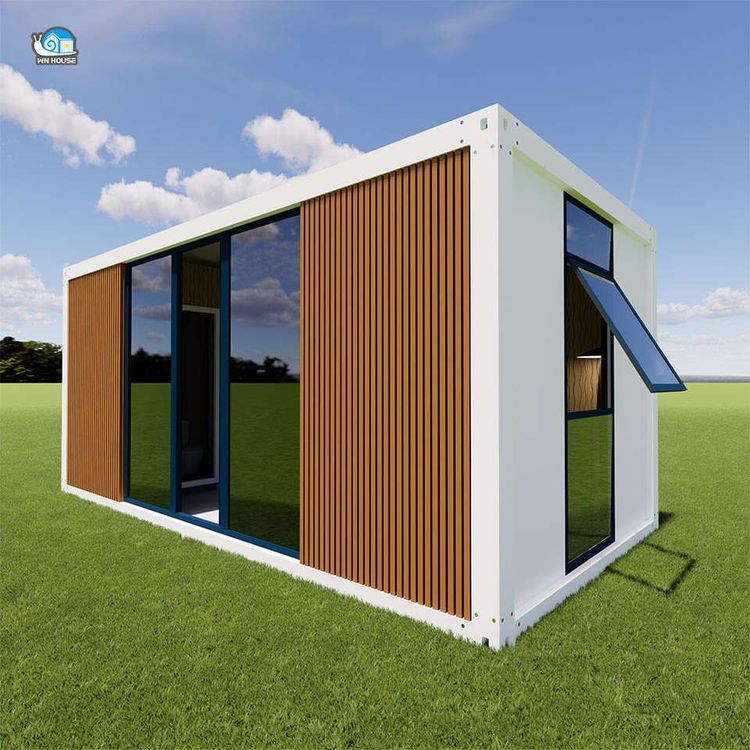
3. Scenario Adaptability: Flexible Expansion Meets Diverse Needs Different scenarios have significantly different requirements for house functions. Foldable container houses (such as those from Suzhou Zhongnan) can be unfolded in just 5 minutes, making them suitable for emergency rescue or temporary commercial pop-ups. Expandable container houses increase their area by 30%-50% through side cabins, making them suitable for long-term on-site office use. Modular light steel houses support modular combinations, making them suitable for temporary office use in industrial parks or event planning. In addition, high-end products (such as those from Shengshan Integration) offer customized services and can integrate brand VI or special functional areas.
4. Cost-Effectiveness: Comprehensive Assessment of Full-Cycle Costs In addition to initial procurement costs, transportation, warehousing, and reuse costs should also be considered. The foldable container houses from Suzhou Zhongnan reduce their volume to 1/5 when folded, lowering transportation costs by 30%-50% per trip and reducing warehousing space occupation by over 60%, showing significant advantages in long-term turnover scenarios. In contrast, although unbranded products have a lower unit price, their rework costs can be three times those of compliant products, and they pose safety hazards, requiring careful selection.
5. Service System: Full-Cycle Support Reduces Usage Risks Leading companies (such as Suzhou Zhongnan and CIMC) provide one-stop services from pre-sales consultation and solution customization to after-sales maintenance, ensuring compliance with export regulations (CE certification) and rapid response. Some brands (such as Shengshan Integration) also promise a design service life of over 5 years and are equipped with international certification qualifications, making them suitable for long-term overseas projects.