Container Renovated House for Sleep Aid
Container renovated houses can achieve good sleep-aid effects through reasonable design, which can be realized in the following aspects:

Sound insulation and thermal insulation design
Standard containers inherently possess strong structural strength, waterproofing, and wind resistance. On this basis, adding modern thermal insulation materials inside, such as thermal insulation cotton, can effectively block the transfer of external heat, maintain stable indoor temperatures, and prevent sleep disturbances caused by excessively high or low temperatures. At the same time, ensuring good sealing of doors and windows and selecting materials with good sound insulation properties can reduce external noise interference and create a quiet environment for sleep. For example, some container renovated houses use multi-layer sealing strips around doors and windows, significantly reducing the inflow of external noise.
Indoor layout and furniture selection
A reasonable indoor layout can enhance living comfort and facilitate sleep. Properly dividing the sleeping area from other functional areas helps avoid mutual interference. When selecting furniture, choosing comfortable, ergonomic bedding is crucial. In some cases, custom-made beds with foldable designs offer greater space flexibility. When fully unfolded, they can transform into comfortable double beds to meet daily sleep needs. Additionally, in bedroom arrangements, avoiding excessive clutter and maintaining a clean and spacious space can create a peaceful and comfortable sleep atmosphere.
Lighting and ventilation design
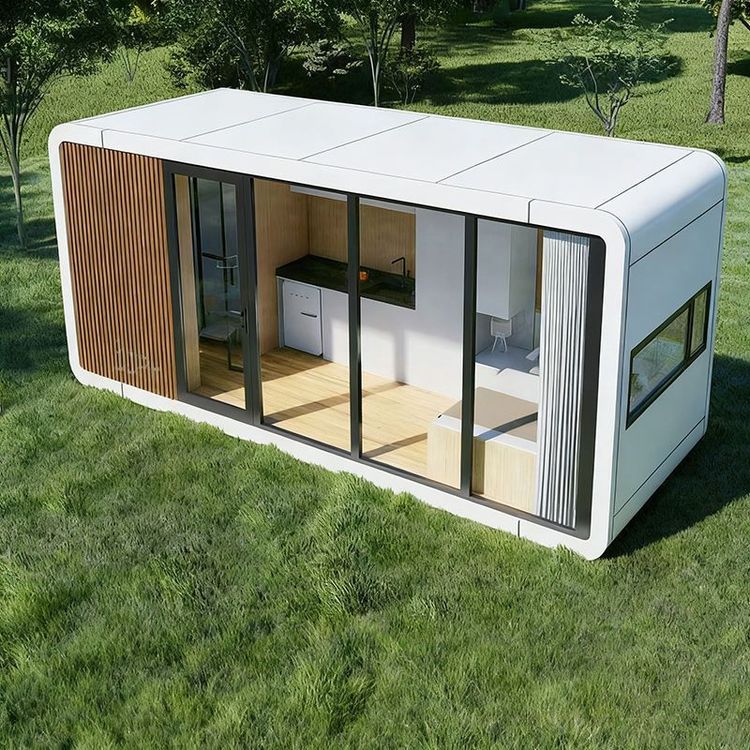
Good lighting and ventilation help regulate indoor air quality and atmosphere, which is beneficial for sleep. In container renovations, large glass windows can be installed to increase natural lighting, making the interior bright and transparent. Sufficient sunlight during the day not only improves mood but also helps regulate the body's biological clock. At the same time, reasonable ventilation design ensures fresh indoor air and reduces stuffiness and odors. For example, installing vents or exhaust fans on the roof promotes air circulation; in some renovation cases, openable windows are installed on the sides of containers to create good ventilation convection.
Decoration and color matching
Indoor decoration and color matching also affect sleep quality. Choosing soft, warm tones, such as beige and light gray, can create a warm and peaceful atmosphere, helping people relax and fall asleep more easily. Avoid using overly bright or dazzling colors to prevent visual fatigue and mental excitement. Additionally, appropriately arranging some green plants or decorations, such as flower arrangements or paintings, can add a touch of life, relieve stress, and also contribute to improving sleep quality.