Bathing in Container-Renovated Houses
Container-renovated houses can have bathing areas set up, and through reasonable design and renovation, they can meet daily bathing needs.

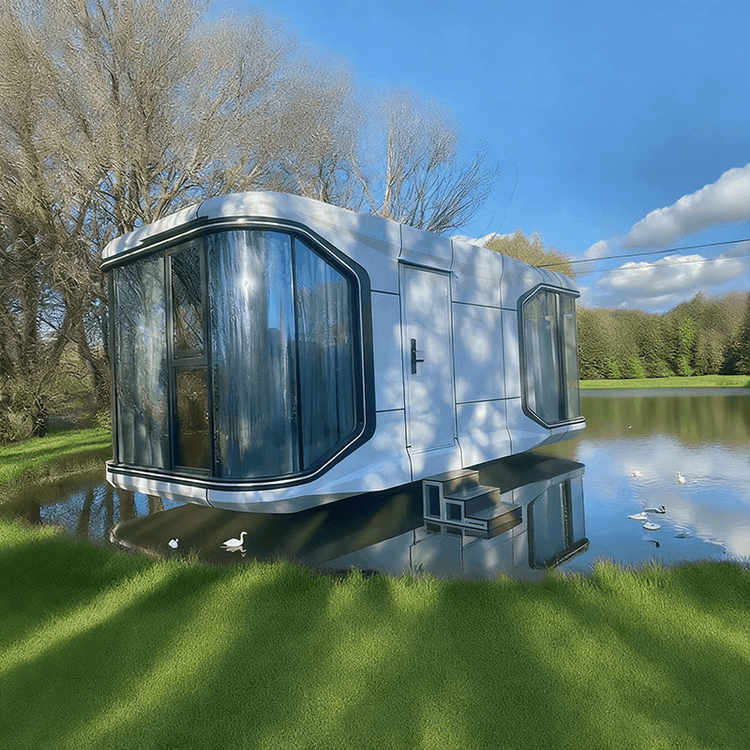
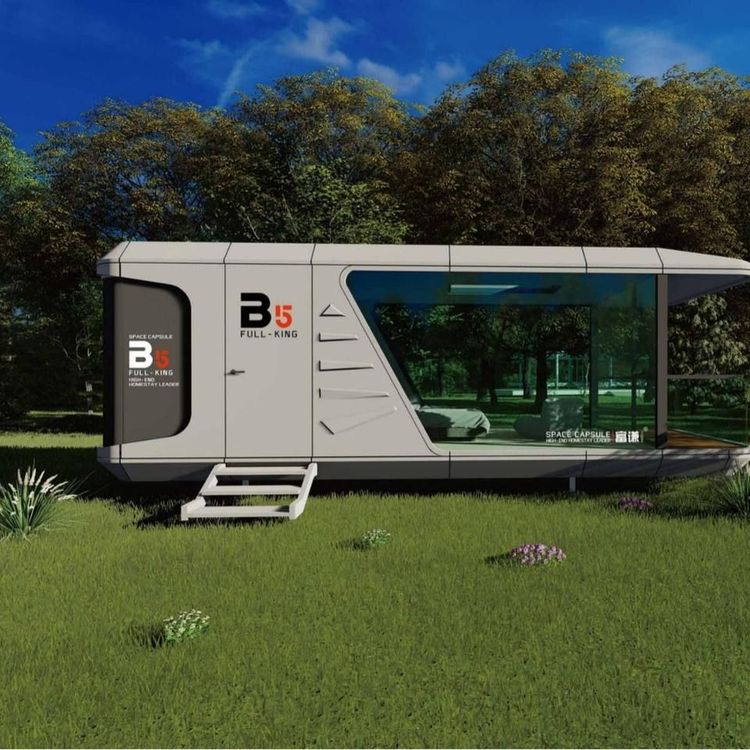
I. Renovation Basis and Advantages Containers were originally standard steel cargo boxes used in international shipping. They are structurally sturdy, well-sealed, weather-resistant, and pressure-resistant, possessing the natural characteristics of “modular building units”. After rust prevention treatment, thermal insulation layer addition, and internal water and electricity renovation, they can be transformed into safe and durable living spaces. Compared to traditional brick-and-mortar structures, container renovation is faster and less labor-intensive; compared to color-steel plate houses, they are more stable and soundproof, providing a good basic condition for setting up bathing areas.
II. Ways to Set Up Bathing Areas
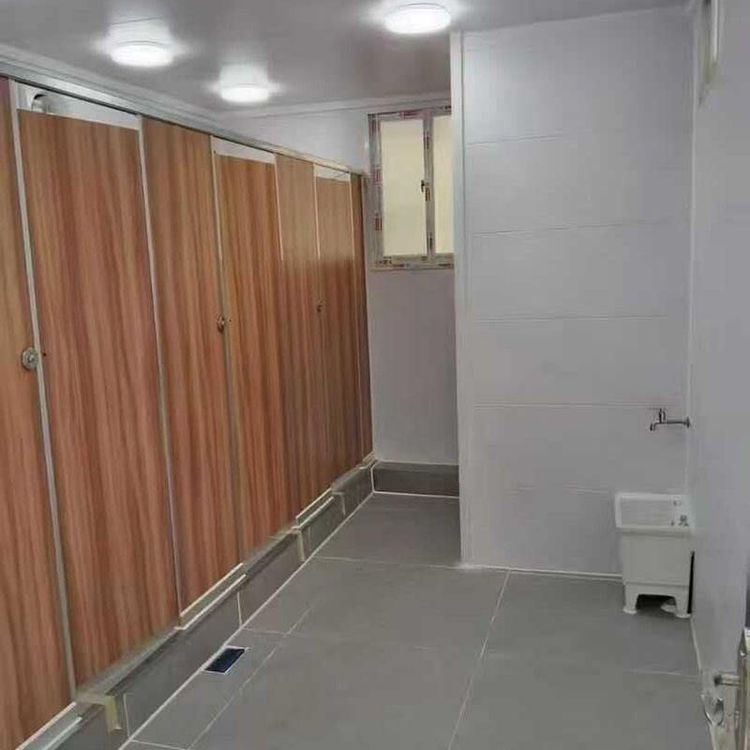
- Space Planning: According to the size and layout of the container, reasonably divide out a bathing area. For example, in a larger container, a separate area can be designated as a bathroom; for smaller containers, an open or semi-open design can be adopted, using partitions or shower curtains for space separation.
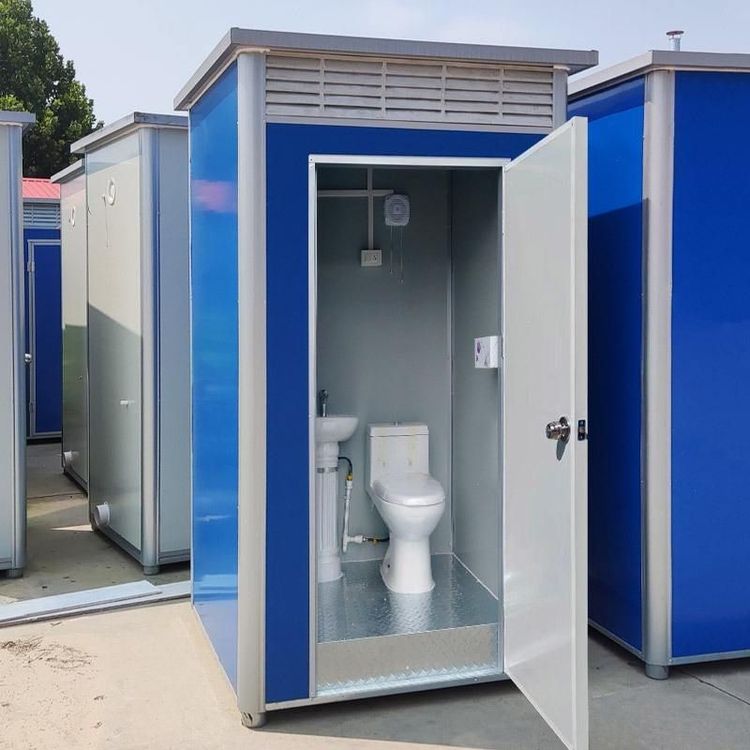
- Water and Electricity Renovation: This is the key to setting up a bathing area. It is necessary to reserve a drainage outlet and install appropriate drainage pipes to ensure that the bathing water can be smoothly discharged. At the same time, a hot water supply system should be introduced, which can provide hot water through solar water heaters, electric water heaters, or gas water heaters. In terms of water and electricity routing, 3D modeling technology can be used for planning to ensure one-time successful construction and avoid problems later.
- Ventilation Design: Bathing areas are prone to generating water vapor. If the ventilation is poor, it will lead to dampness and mildew, affecting living health. Therefore, a good ventilation system should be designed, such as installing exhaust fans or ventilation windows to maintain air circulation.
III. Practical Case References In one case, an S-shaped drainage outlet and a waterproof tray were reserved in a second-hand container mobile home. A wall-mounted toilet and a thermostatic showerhead were directly installed, and hot water was supplied from a solar water heater, achieving the bathing function. In another case, when a container was renovated into a tea room, thermal insulation layers were added inside. A bathing area could also be set up, and it would not leak air when the air conditioner was on in winter and would not be stuffy in summer.