Water and Electricity in Container Mobile Houses
The water and electricity systems of container mobile houses are professionally designed to meet daily usage needs and feature safety, convenience, and customization.

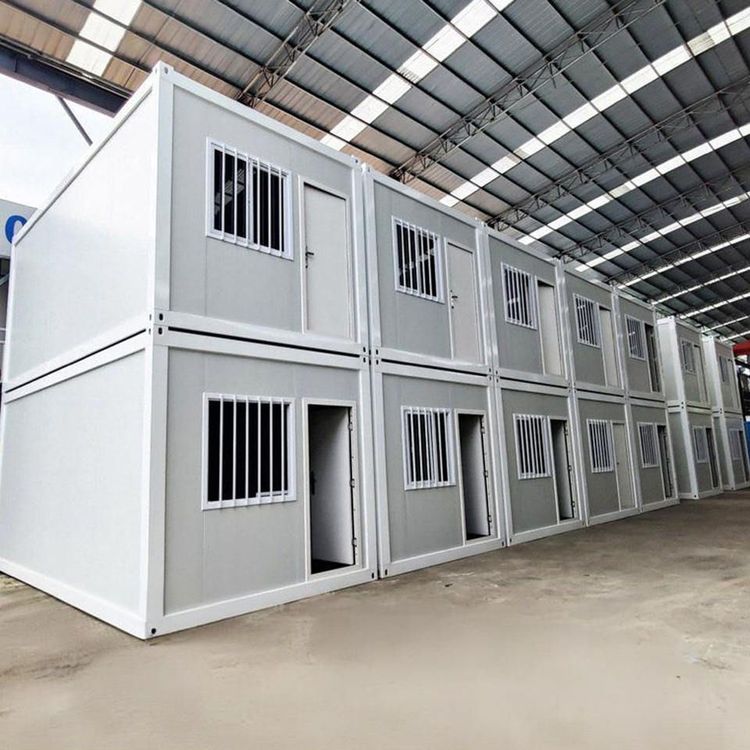
1. Basic Configuration of Water and Electricity Systems During the renovation of container mobile houses, water and electricity lines are pre-buried, and standardized interfaces are installed inside, including power sockets, lighting systems, and water supply and drainage pipes. For example, products from Zhejiang Hangxing Green Building Materials are equipped with standardized water and electricity interfaces, reserved installation positions for air conditioners and lighting systems, and a floor load capacity of ≥2.0kn/㎡, supporting the use of daily electrical appliances. Some customized containers also integrate solar panels for off-grid power supply, further reducing dependence on external energy sources.
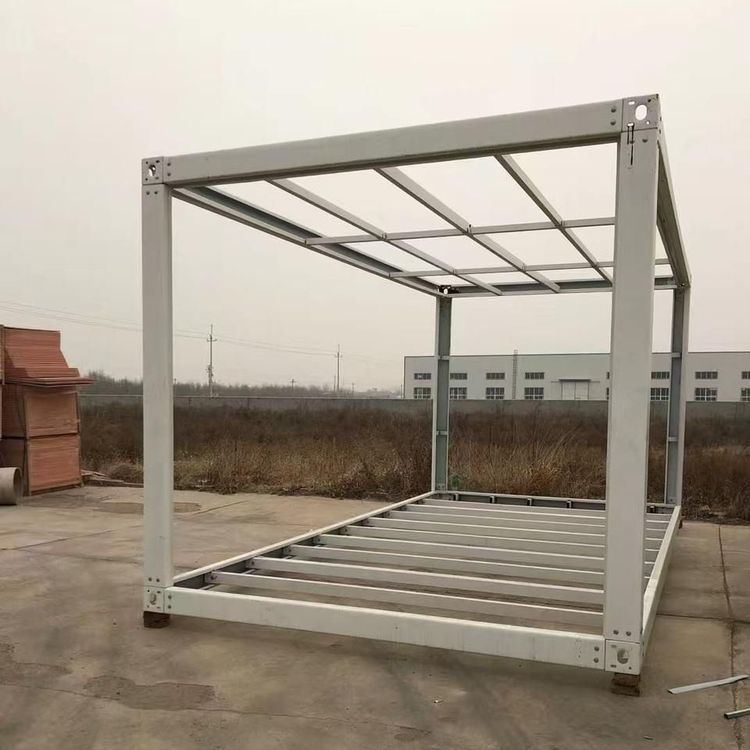
2. Safety and Durability The safety of the water and electricity systems is a key focus in the design of container houses. The wall heat transfer coefficient is ≤0.45w/(㎡·k), and the sound insulation is ≥42db, effectively reducing external interference. The floor load design can withstand daily activity pressures, preventing damage to water and electricity lines due to structural issues. Additionally, the base materials of containers undergo rust removal, anti-corrosion, and waterproofing treatments, enabling them to withstand outdoor environmental erosion and extend the service life of the water and electricity systems. For example, container houses from Qinghai Guangzan Light Steel use thickened insulation materials and air conditioning systems to ensure stable indoor temperature and humidity, indirectly protecting water and electricity equipment from extreme temperatures.
3. Flexibility and Scalability The modular design of container houses allows for quick assembly and disassembly of their water and electricity systems. For example, high-end customized products such as energy storage containers and equipment integration boxes provided by Zhongye Zhichuang can add or reduce circuit modules or water supply and drainage components according to needs, adapting to different scenarios. For temporary projects, the water and electricity systems can be relocated along with the containers, with a reuse rate of over 90%, significantly reducing long-term costs.
4. Customization and Scenario Adaptation According to usage scenarios, the water and electricity systems can be further optimized. For example, container homestays in cultural tourism campsites may add underfloor heating or intelligent control systems; emergency shelters need to be equipped with independent bathrooms and photovoltaic power supply systems. The customized residential container mobile house in Yuhang, Hangzhou, priced at 5800 yuan, includes LED lighting and pre-buried circuit interfaces, meeting basic office needs.