Uses of Container Mobile Houses
Container mobile houses have a wide range of uses, covering multiple fields such as temporary housing, commercial innovation, emergency response, and special-scenario applications.

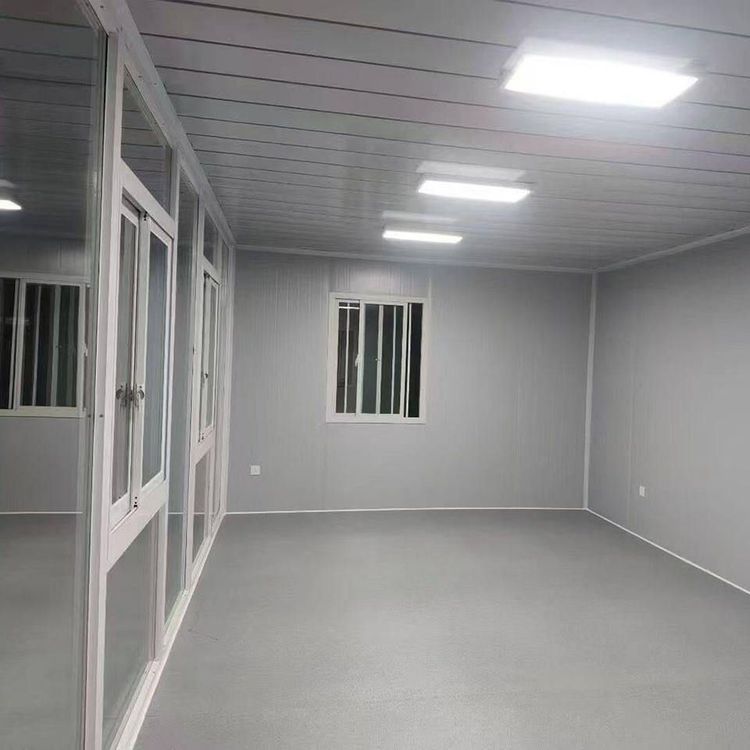
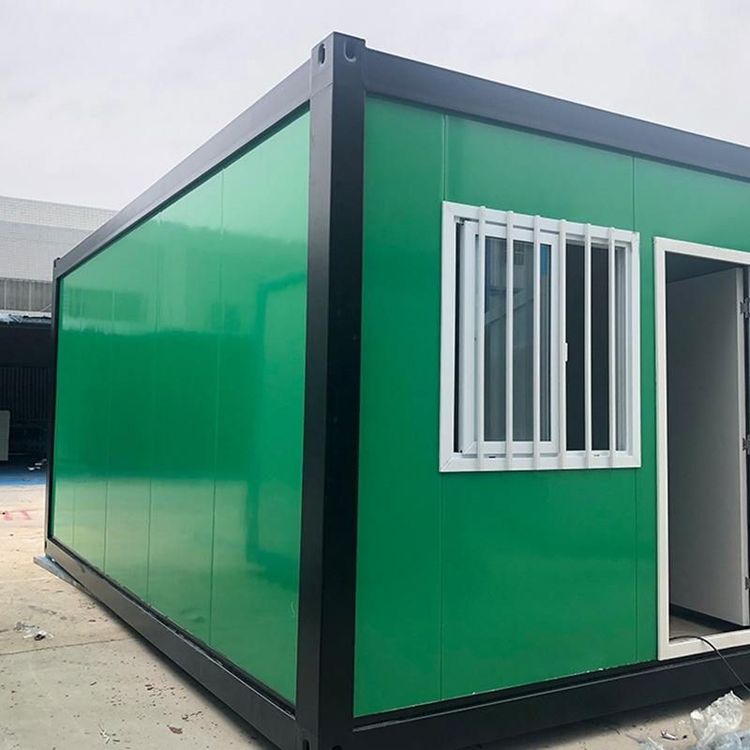
In temporary housing scenarios, container mobile houses can serve as post-disaster emergency buildings, providing quickly constructed transitional shelters for disaster-affected people. Their modular design facilitates easy transportation and assembly, efficiently meeting urgent resettlement needs. At the same time, they can also be used as temporary housing in construction sites, remote areas, and other settings to address short-term accommodation issues. Additionally, in tourist attractions, container houses can be transformed into homestays, attracting tourists with their unique industrial style and combining practicality with aesthetics.
In the commercial sector, container mobile houses demonstrate strong innovative potential. For example, they can be converted into 24-hour self-service fitness pods, enabling unmanned management through intelligent equipment to meet the fragmented fitness needs of urban populations. They can also serve as street-side vending kiosks, flexibly deployed in commercial streets, exhibitions, and other venues to reduce operational costs. Furthermore, the rise of mobile offices provides start-ups or temporary project teams with low-cost, movable office space solutions.
In terms of emergency response, container mobile houses are important carriers for emergency medical facilities. Their standardized structures can be quickly transformed into temporary clinics, isolation wards, or vaccination points, playing a crucial role in emergencies such as pandemics and natural disasters. For instance, during the COVID-19 pandemic, some regions used container houses to build makeshift hospitals, effectively alleviating the shortage of medical resources.
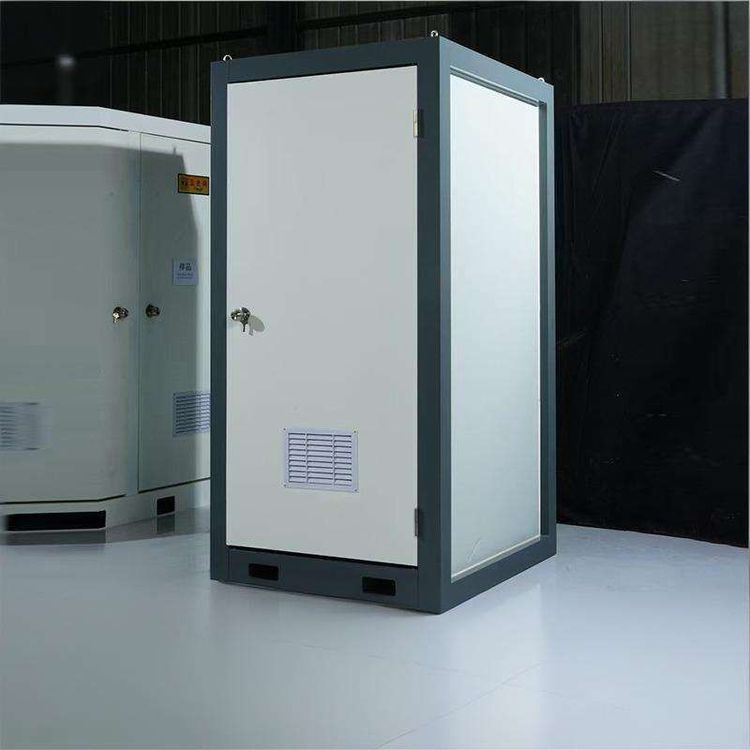
In special-scenario applications, container mobile houses also excel. They can function as security guard booths, providing spaces for security monitoring and personnel management in residential communities, factories, and other locations. They can also be transformed into smart waste stations, integrating functions such as waste sorting and compaction to enhance urban sanitation efficiency. Moreover, their modular nature supports the combination of multiple houses to form temporary office spaces or creative spaces, meeting diverse needs.