
Container Mobile House on Rooftop
Whether placing a container mobile house on a rooftop constitutes an illegal structure depends on the situation. Generally, if it meets conditions such as temporary use and non-hardened ground, it may not be considered an illegal structure, but local policies should be followed.
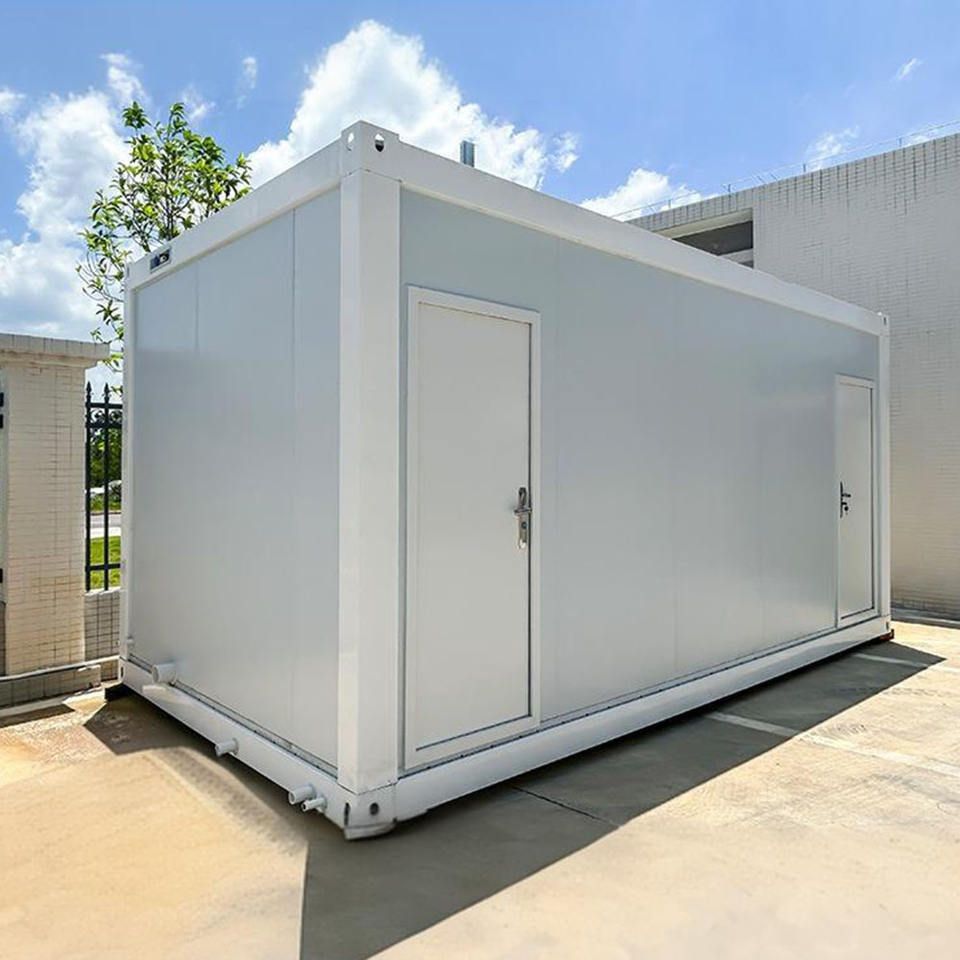
Nature of Container Mobile Houses
Container mobile houses are essentially movable metal structures, not traditional fixed buildings. Their design and construction characteristics make them flexible in terms of use, installation, and disassembly, and they generally do not fall into the category of fixed buildings. For example, in emergency disaster relief, temporary construction site dormitories, tourist attractions, and other places, container houses are often used as temporary buildings and can be freely erected and dismantled without a building permit.
Criteria for Defining Illegal Structures
According to relevant laws and regulations, an illegal structure must meet two core conditions: first, it belongs to the category of buildings; second, it has not obtained planning permission or has擅自 (unauthorizedly) changed its planned use. Container mobile houses, due to their non-fixed building nature and usually being used for temporary storage of agricultural materials and tools, do not occupy land quotas if they do not damage the arable layer, are not connected to water and electricity, do not have hardened ground, or do not have permanent foundations. They are merely regarded as containers or temporary warehouses, not houses.
Compliance Conditions for Placing Containers on Rooftops
- Usage Restrictions: Container houses cannot be used for business operations or residential purposes; otherwise, they may be deemed as having "substantially changed the land use." For example, if a container is placed on a rooftop as a long-term living space, even if the ground is not hardened, it may still constitute an illegal structure due to the change in the building's use.
- Foundation Treatment: Hardening the ground or constructing permanent foundations should be avoided. If the ground is hardened (e.g., by pouring concrete), it may be considered a fixed building and thus constitute an illegal structure.
- Differences in Local Policies: There are differences in how container houses are recognized in different regions. Some places regard them as temporary buildings and allow them to be freely erected and dismantled; however, other places may consider them illegal structures and prohibit their use.
Operational Recommendations
If you need to place a container mobile house on a rooftop, it is recommended to consult with local planning and urban management departments in advance to clarify the usage period, purpose, and whether relevant procedures need to be completed. At the same time, ensure that the container house is only used for temporary storage and avoid hardening the ground or changing its use to reduce the risk of illegal structures.



