Large Container Mobile Houses
Container mobile houses can be classified into four types based on their structure and purpose: container-type, foldable-type, assembled-type, and expandable-type. Their characteristics and applicable scenarios are as follows:

Container-type Office Houses
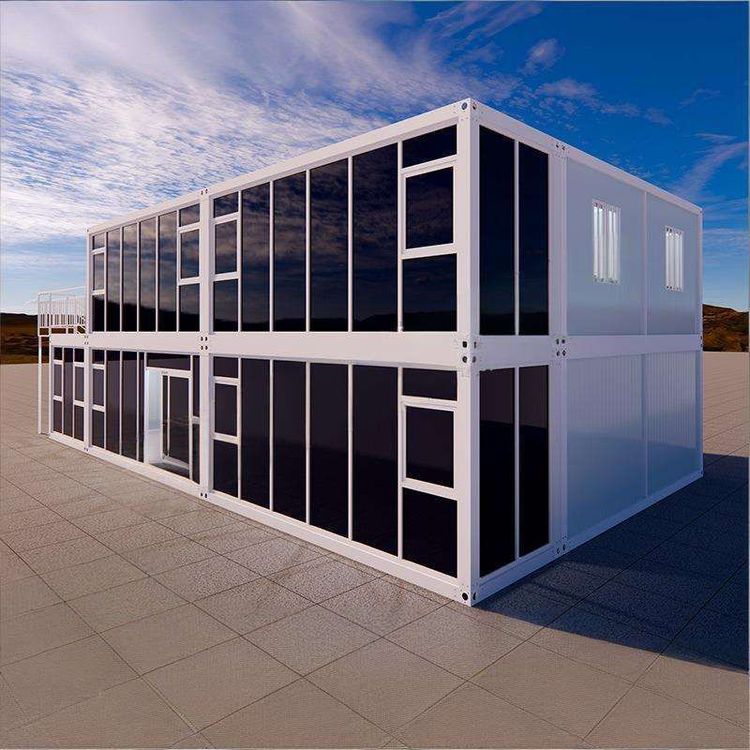
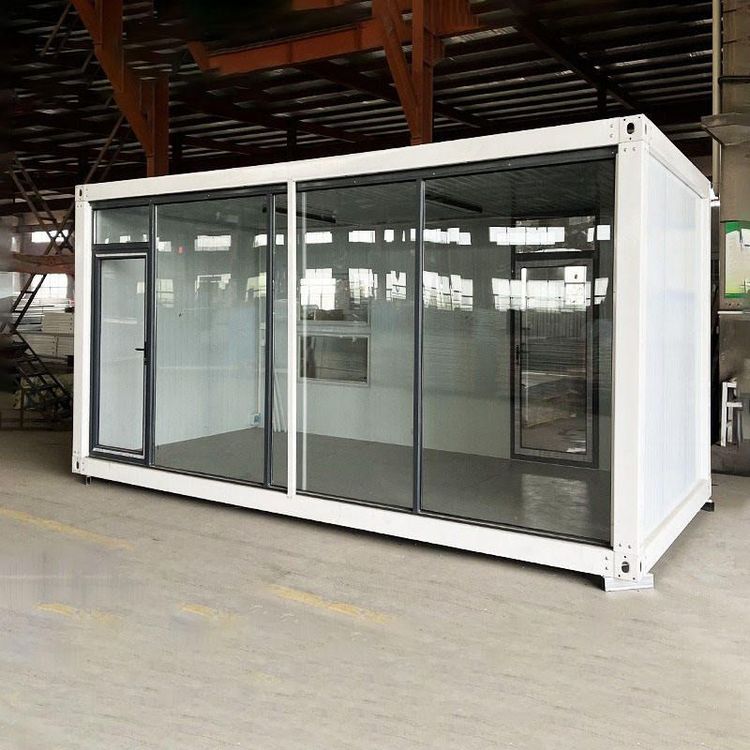
Using standard containers as carriers, they are transformed into independent office units. Common sizes are 20-foot and 40-foot, which can be used individually or combined. Their advantages lie in their sturdy structure and convenient transportation, making them suitable for project departments and construction site command centers. For example, the packing boxes produced by Suzhou Zhongnan Steel Structure Co., Ltd. feature a fully steel structural frame. The measured wind resistance level reaches 12, and the earthquake resistance level is 8. The frame deformation rate is only 0.18%, far below the industry's qualified threshold of 0.3%, meeting the stability requirements under extreme working conditions.
Foldable-type Office Houses
With a foldable structural design, they compress in volume during transportation and can be quickly unfolded upon arrival. The unfolding time for a single unit can be controlled within 30 minutes, making them suitable for office needs that require frequent relocation, such as exploration teams and temporary command posts. For example, the foreign trade double-wing expandable foldable container houses produced by Anhui Richuang Construction Engineering Co., Ltd. have mobile office functions and are relatively low in price with high monthly sales, reflecting the market demand for such convenient products.
Assembled-type Office Houses
Combining light steel keels with color steel plates, they are modularly assembled on-site. They can be flexibly expanded according to the number of people and functional zoning, commonly seen in temporary offices in industrial parks and event planning sites. The assembly flexibility of these houses allows for quick adjustment of the spatial layout according to actual needs, meeting the usage requirements in different scenarios.
Expandable-type Office Houses
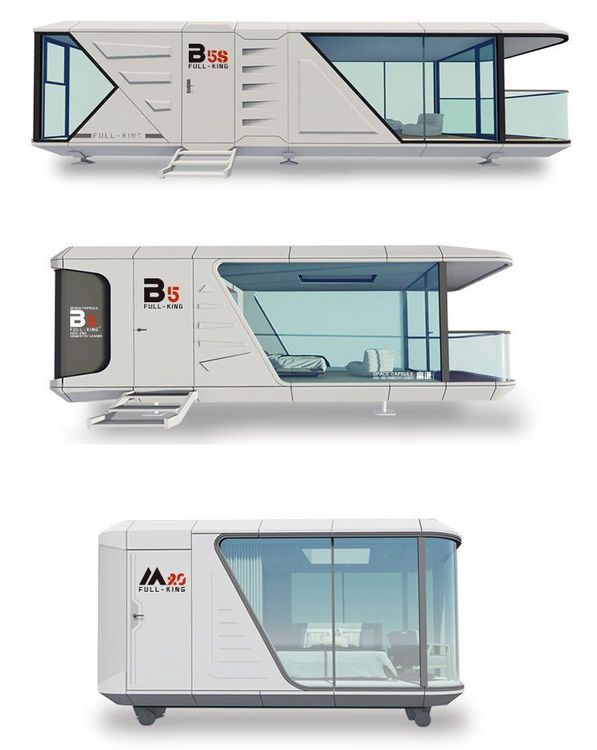
By adding side or end expansion cabins to containers, the usable area can be increased by 30%-50% after expansion, suitable for long-term on-site offices with high requirements for spatial comfort. For example, some high-end cultural tourism and homestay projects adopt expandable container houses, which not only ensure structural stability but also provide larger usable space, enhancing the comfort of living and working.